


Understanding a Recipe’s True Yield
In the world of home economics, 'yield' is more than just how many servings a recipe produces; it’s about the cost per portion. A recipe that creates eight servings from inexpensive ingredients offers far greater value than a four-serving dish with a high-cost
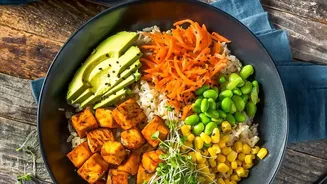
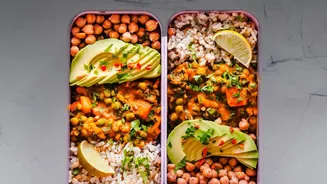
shopping list. This is the core principle behind batch cooking, which allows you to turn one cooking session into multiple meals, drastically reducing the cost per meal. When planning your meals, look for recipes that are designed to be made in bulk, such as hearty soups, casseroles, and grain bowls. Understanding the yield helps you make smarter choices from the start, ensuring that your effort in the kitchen pays off multiple times over. It also informs your grocery shopping, encouraging you to buy ingredients with purpose rather than on impulse.
The Power of Smarter Storage
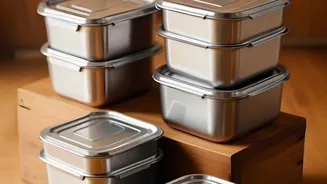
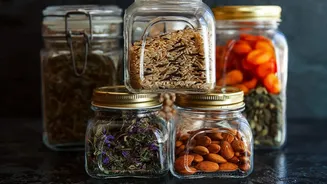
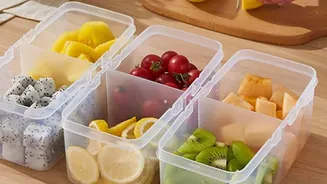
An astonishing amount of food and money is wasted due to improper storage. To maximize the value of your cooking, you need a solid storage strategy. This means more than just tossing leftovers into a random container. Investing in clear, airtight containers allows you to see exactly what you have, preventing forgotten food from spoiling in the back of the fridge. Labelling containers with the date they were stored is another simple but effective habit. Don't underestimate your freezer. It’s an essential tool for preserving the value of your high-yield meals. Freezing individual portions makes it easy to grab a quick lunch or dinner without any extra effort. To prevent freezer burn and maintain quality, use freezer-safe bags or containers and remove as much air as possible before sealing. Proper storage turns leftovers from a potential source of waste into a guaranteed future meal, stretching your food budget significantly.
The Art of the ‘Cook Once, Eat Twice’ Philosophy
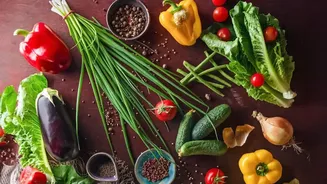
The most frugal home cooks master the art of repeat use. This involves two main strategies: creatively repurposing leftovers and planning meals around overlapping ingredients. Leftovers don't have to be boring. A roast chicken one night can become chicken salad for lunch the next day and the base for a soup the day after. Wilted vegetables can be revived in stir-fries, frittatas, or blended into sauces. This approach requires a small shift in mindset, viewing leftovers not as a burden but as a head start on your next meal. The second strategy is to plan your weekly menu around a core set of ingredients. For example, a bag of onions, a head of cabbage, and a block of cheese can be used across several different dishes throughout the week, ensuring you use up everything you buy. This 'first in, first out' method—using older ingredients before newer ones—is a professional kitchen secret that dramatically reduces waste.
Bringing It All Together for Maximum Savings
When you combine these three principles, the financial benefits multiply. It starts with planning a menu around high-yield recipes that share common ingredients. This leads to a smarter, more efficient grocery list that minimizes impulse buys and takes advantage of bulk purchasing discounts. After cooking, you implement a storage system that makes it easy to see and use your leftovers, which are then creatively repurposed into new meals. This circular approach ensures that very little goes to waste, which is critical when you consider that the average family loses a significant amount of money each year on uneaten food. By being strategic about what you cook, how you store it, and how you reuse it, you move from simply cooking at home to running an efficient and cost-effective kitchen.