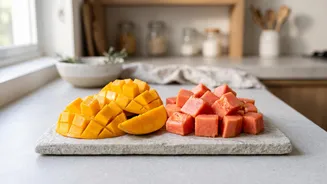



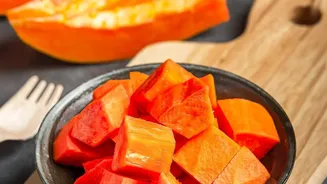
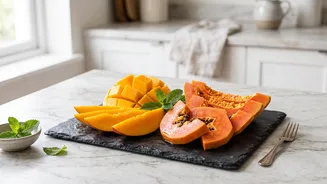
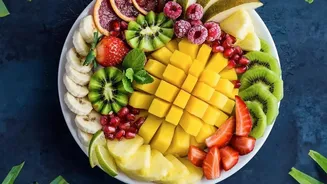
Mango and papaya are two of India's most beloved tropical fruits. Both are delicious and packed with health benefits, but they are not nutritionally identical. So, how do they stack up against each other in a head-to-head comparison?
The Vitamin C Champion
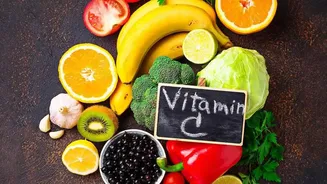
When it comes to boosting
your immune system, Vitamin C is a critical nutrient, and both fruits are excellent sources. However, papaya has a clear edge. Per 100 grams, papaya contains around 61 mg of Vitamin C, which is over two-thirds of the recommended daily intake. Mango is not far behind, offering about 36 mg per 100 grams, but if maximizing your Vitamin C intake is your primary goal for skin health or immunity, papaya is the undisputed winner.
A Boost for Vision and Skin
Mango takes the lead when it comes to Vitamin A and its precursor, beta-carotene. This is what gives mango its vibrant golden-orange colour. A 100-gram serving of mango provides significantly more beta-carotene than papaya does. This nutrient is vital for maintaining healthy vision, supporting immune function, and promoting skin cell repair and turnover, which contributes to a natural glow. While papaya also contains Vitamin A, mango is the superior choice for specifically targeting this nutrient.
Digestive Health and The Papain Advantage
Both fruits are good for digestion, with similar amounts of dietary fiber per 100 grams—around 1.6g for mango and 1.7g for papaya. Fiber is essential for preventing constipation and promoting a healthy gut. However, papaya has a unique advantage: a powerful enzyme called papain. Papain helps break down proteins, making papaya an excellent digestive aid, especially after a heavy, protein-rich meal. Mango also contains enzymes like amylase that help digest carbohydrates, but papain gives papaya a special edge in the digestive department.
Calories and Sugar Content
For those watching their calorie or sugar intake, papaya is the lighter option. A 100nd gram serving of papaya contains about 43 calories and roughly 8 grams of sugar. In contrast, the same amount of mango has about 60 calories and nearly 14 grams of sugar. The higher sugar content is what gives mango its intensely sweet flavour, but it also makes it more energyndense. If you're looking for a sweet treat with fewer calories, papaya is the more suitable choice.
Other Key Nutrients
Beyond the major vitamins, the fruits offer different benefits. Mango provides more Vitamin E and folate (a Bndvitamin crucial during pregnancy) than papaya. Papaya, on the other hand, contains more lycopene, an antioxidant that helps protect skin from UV damage, and has slightly higher levels of potassium. Both fruits are rich in various antioxidants that help protect the body's cells from damage.