






Beyond the Lungs: Smog's Silent Attack on the Brain
For years, the health warnings around air pollution have focused on our respiratory and cardiovascular systems. We associate smog with coughing, asthma, and heart strain. While these risks are significant, a growing body of research reveals a more insidious
threat: the effect of air pollution on our cognitive health. Studies now link long-term exposure to pollutants with cognitive decline, memory issues, and even an increased risk for neurodegenerative diseases like Alzheimer's and Parkinson's. The same toxic air clouding our cities may also be clouding our minds.
How Micro-Pollutants Hijack Your 'Brain Energy'
The primary culprits are tiny airborne particles known as PM2.5 — particulate matter less than 2.5 micrometres in diameter, or 30 times smaller than a human hair. Because of their minuscule size, these particles aren't just inhaled into the lungs; they can pass directly into the bloodstream. From there, they can cross the highly selective blood-brain barrier, a protective membrane meant to keep toxins out. Some particles can even travel directly up the olfactory nerve to the brain. Once inside, these pollutants trigger neuroinflammation—a persistent inflammatory state in the brain—and oxidative stress, which damages brain cells. This process can impair synaptic function, disrupt neural communication, and drain the mental resources you need for focus, memory, and clear thinking, leading to what feels like a critical loss of 'brain energy'.
The Myth of Indoor Safety
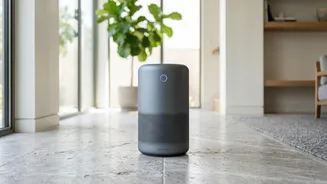
Many believe that staying indoors on high-pollution days offers complete protection. Unfortunately, this is a dangerous misconception. PM2.5 particles are small enough to easily infiltrate homes and offices through doors, windows, and ventilation systems. In fact, without proper ventilation and filtration, indoor air can sometimes be even more polluted than the air outside, as pollutants become trapped and accumulate. This makes active air purification a necessity, not a luxury, for creating a safe indoor environment where your brain can find refuge.
Your Action Plan for Air Purification
Shielding your brain requires a proactive approach. Start by investing in a high-quality air purifier with a High-Efficiency Particulate Air (HEPA) filter. HEPA filters are certified to capture 99.97% of particles as small as 0.3 microns, making them highly effective against PM2.5. When selecting a purifier, consider the Clean Air Delivery Rate (CADR) and ensure it matches your room size. For times you must be outdoors, a well-fitting N95 or N99 mask can significantly reduce your intake of harmful particulates. Additionally, simple habits like checking your local Air Quality Index (AQI) to plan outdoor activities, keeping windows closed during peak pollution hours, and using kitchen and bathroom exhaust fans can make a substantial difference.
Building a Resilient Brain
While air purification is a critical defence, you can also bolster your brain's resilience from the inside. A diet rich in antioxidants—found in colourful fruits and vegetables—can help combat the oxidative stress caused by pollutants. Regular exercise, performed indoors on high-smog days, improves circulation and supports overall brain health. By combining these lifestyle adjustments with robust air purification measures, you create a comprehensive defence system. This proactive stance empowers you to protect not just your lungs, but also your most vital asset: your cognitive energy and long-term brain health. It's about taking control of your personal environment in a world where the air outside is increasingly compromised.