





The Fury of the First Wave
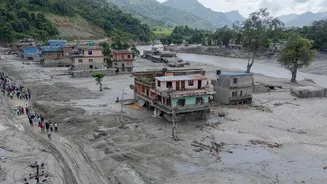
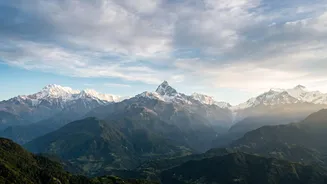
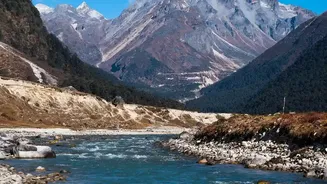
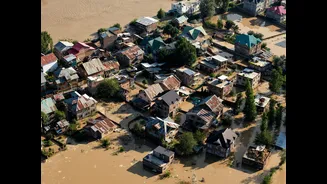
On August 26, 2026, a torrent of water, mud, and rock tore through the Rasuwa and Nuwakot districts. The disaster was not caused by rainfall but by a massive glacial collapse near the Nepal-Tibet border, which sent a debris-laden wave down the Bhote Koshi
and Trishuli river systems. The force was immense, registering seismic signals equivalent to a magnitude 5.2 event. In its path, it obliterated homes, businesses, and critical infrastructure, with floodwaters reaching astonishing heights in some areas. The initial surge has already resulted in a tragic loss of life, with over 160 people confirmed dead and hundreds more, including many foreign tourists, reported missing as rescue teams struggle to access cut-off areas.
Villages and Lives on the Line
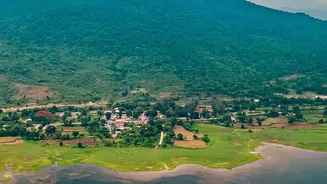
For the villages nestled in these Himalayan valleys, the first flood was an apocalypse. Entire settlements like Syaprubesi were inundated, and homes were buried under thick sludge. Families have been displaced, and survivors are grappling with immense loss and uncertainty. A second flood surge would compound this human tragedy on an unimaginable scale. It would strike communities that are already at their most vulnerable, with many people left without shelter and exposed to the elements. Rescue and relief operations, already hampered by destroyed roads and bridges, would be further imperiled, potentially leaving thousands stranded without access to food, clean water, or medical care. Aid organizations have highlighted the particular risk to children, who are often the most vulnerable in the chaotic aftermath of a disaster.
A Fracture in the Nation's Backbone
Beyond the immediate human cost, the flood has dealt a severe blow to Nepal's national infrastructure. The torrent swept away crucial bridges, including the key trade link to China, and kilometers of vital roadways. This damage isolates communities and cripples the economy. Furthermore, the country's energy sector has been hit hard. At least six major hydropower projects, representing over 430 megawatts of electricity, were damaged, disrupting a significant portion of the nation's power supply. A second flood surge threatens to destroy what little remains. Weakened structures could easily give way, and further landslides could wipe out more power stations and transport links, plunging the region into darkness and isolation for an extended period and setting back development by years.
The Looming Threat Upstream
The fear of a second wave is not speculative. Scientists at the International Centre for Integrated Mountain Development (ICIMOD) have warned that a significant blockage of rock and debris remains lodged in the river upstream on the border with Tibet. This unstable natural dam could breach at any moment, releasing another catastrophic pulse of water. While Nepalese authorities have also issued messages urging the public to remain calm and not heed unverified rumors, they have put several downstream districts on high alert. The discrepancy highlights the terrifying uncertainty of the situation: while officials work to prevent panic, the physical threat remains very real, turning the coming days into a tense watch for communities living downstream.