


Start Small and Be Realistic
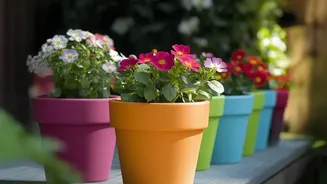
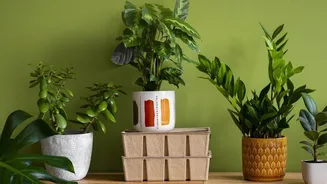
One of the most common mistakes beginners make is starting too big, too fast. An expansive garden can quickly become overwhelming with the demands of weeding, watering, and pest control. It's better to begin with a small, manageable space, like a few
containers on a balcony or a small raised bed. This allows you to learn the ropes without getting discouraged. You can always expand next season. Also, be honest about the time and energy you can commit. A smaller, well-tended garden is far more rewarding than a large, neglected one.
Location, Location, Location
Plants need sunlight to thrive, so choosing the right spot is crucial. Most vegetables and flowering plants require at least six hours of direct sunlight per day. Before you plant anything, spend a day observing your space to see how the sun moves across it. Find a spot that gets ample light and is also convenient for you to access for watering and care. A garden hidden away in a forgotten corner is easy to neglect. Placing it where you'll see it daily helps you spot issues like pests or thirsty plants before they become major problems.
Focus on Healthy Soil
Great gardens start with great soil. Simply using dirt from your yard might lead to poor drainage and introduce weeds or diseases. Healthy soil is rich in nutrients and allows for good water drainage. For container gardens, always use a quality potting mix. For garden beds, enriching your soil with organic matter like compost is a game-changer. Compost improves soil structure, retains moisture, and provides essential nutrients for your plants. You can think of it as the foundation upon which your entire garden is built.
Choose the Right Plants
It can be tempting to buy one of everything at the garden centre, but it’s wiser to start with easy-to-grow plants. If you're a beginner, opt for seedlings or young plants instead of starting from seeds, as this can simplify the process. Do a little research on plants that do well in your specific climate. Local nurseries are a great resource for advice on what grows best in your area. And importantly, grow what you actually like to eat or see. There’s little point in dedicating space to a vegetable no one in your family enjoys.
Water Wisely, Don't Drown
Overwatering is one of the most frequent errors made by new gardeners and can lead to root rot. The goal is to keep the soil consistently moist, but not waterlogged. A good rule of thumb is to check the top inch or two of soil; if it feels dry, it’s time to water. Water the base of the plants, not the leaves, to help prevent disease. It's generally best to water in the morning to give the plants a good supply for the day and allow any wet foliage to dry before evening.
The Power of Mulch
Mulching is a simple step with huge benefits. Applying a 2-3 inch layer of mulch (like shredded leaves or wood chips) over your soil conserves moisture, suppresses weed growth, and helps regulate soil temperature. This means less watering and weeding for you. As the mulch breaks down, it also adds valuable organic matter to the soil. Just be sure to keep the mulch a few inches away from the stems of your plants to prevent rot.