




Why Your Gut Is Vulnerable
The monsoon's high humidity and dampness create a perfect breeding ground for bacteria, viruses, and parasites. This increases the risk of food and water contamination, leading to a spike in infections like diarrhoea, cholera, and typhoid. Internally,
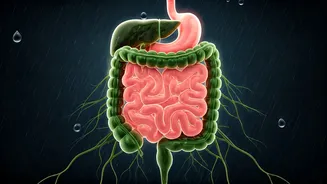
our bodies also shift gears. According to both modern science and Ayurveda, our metabolism and digestive power, often called 'Agni' or digestive fire, tend to slow down during this season. This sluggishness means food is processed less efficiently, often leading to common complaints like bloating, gas, acidity, and a general feeling of heaviness after meals. This combination of external threats and internal slowdown makes a disciplined approach to eating essential.
Eat Light, Warm, and Fresh
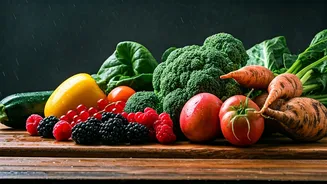
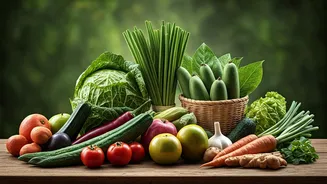
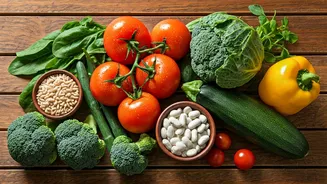
The cornerstone of monsoon gut discipline is favouring meals that are easy to digest. Opt for light, warm, and freshly cooked food. Think nourishing soups, steamed vegetables, and well-cooked grains like rice, barley, and oats. Khichdi, made from rice and moong dal, is considered an ideal monsoon meal because it's a complete, easy-to-digest protein-carbohydrate combination. Vegetables that grow above ground, such as bottle gourd (lauki), ridge gourd (turai), and bitter gourd (karela), are generally safer choices as they have less exposure to ground-level contaminants. Heavy, oily, and fried foods, while tempting, put a significant strain on a weakened digestive system and should be minimised. The goal is to nourish your body without overburdening it.
The Golden Rules of Hydration
Water safety is non-negotiable during the monsoon. Contaminated water is a primary source of waterborne diseases. Even water from purifiers can be at risk during periods of heavy rain when municipal systems are overwhelmed. The safest practice is to boil all drinking water for at least one minute before cooling and storing it in a clean, covered container, preferably glass or steel. Avoid drinking water from outside sources, including street vendors selling juices or lemonade. While staying hydrated is crucial, opt for warm beverages. Herbal teas made with ginger, tulsi, or peppermint not only hydrate but also aid digestion and can help soothe the stomach. Cold drinks and carbonated beverages can further dampen the digestive fire and cause bloating.
Know What to Avoid
Discipline also means knowing what to leave off your plate. Street food, especially items like chaat and pre-cut fruits, poses a high risk of contamination. Leafy green vegetables, which are otherwise healthy, can harbour dirt and germs that are difficult to wash away in this season; if you do eat them, ensure they are thoroughly cleaned and well-cooked. Raw salads should be avoided entirely when eating out. Seafood is another category to be cautious with, as the monsoon is the breeding season for many fish, which can lead to higher chances of contamination. Similarly, dairy products like paneer and unpasteurised milk can spoil quickly in the humid weather, so consume them with caution and ensure they are fresh.
Recruit Your Gut's Allies
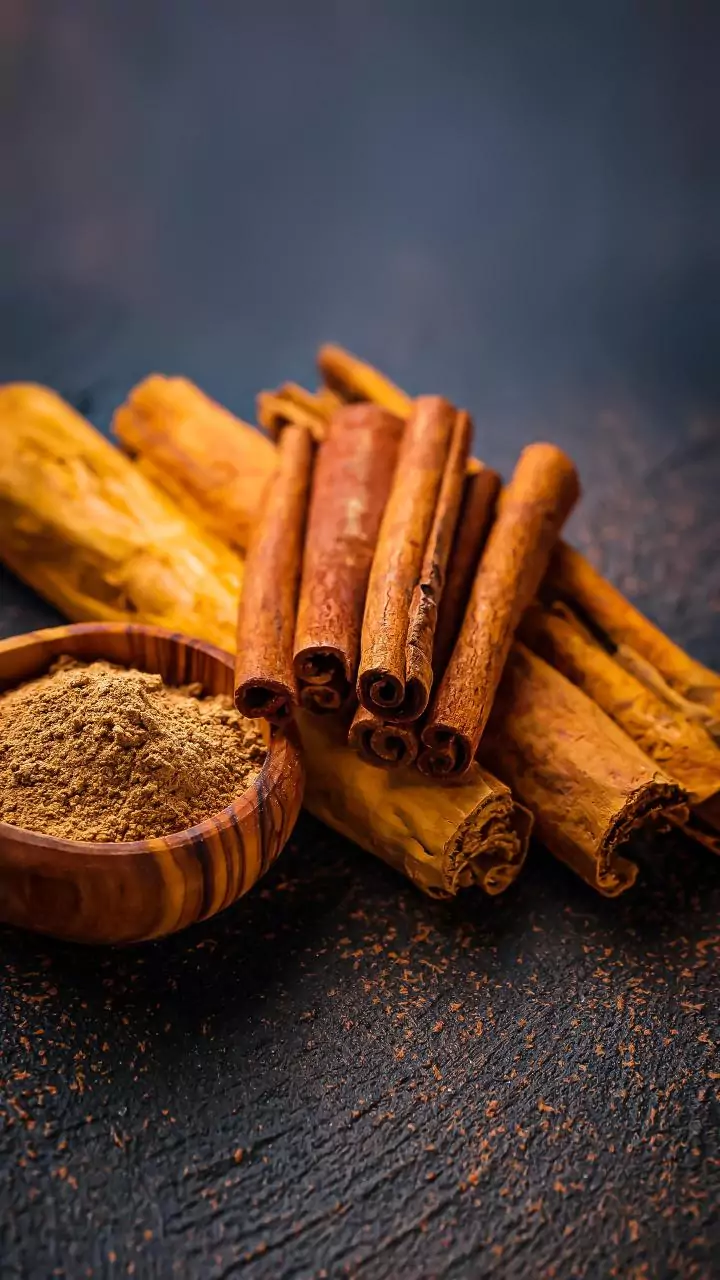
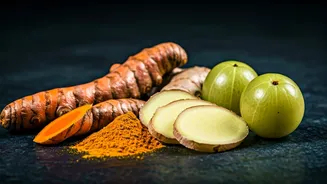
Strengthen your gut from within by including natural probiotics and beneficial spices in your diet. Probiotics are 'good' bacteria that help maintain a healthy balance in your gut microbiome. Freshly made curd (dahi) and buttermilk (chaas) are excellent, easily available sources that support digestion and boost immunity. Spices traditionally used in Indian kitchens are powerful digestive aids. Ginger, for example, is known to stimulate digestive juices. Turmeric has anti-inflammatory properties, while cumin and black pepper can help reduce gas and bloating. Incorporating these spices into your daily cooking is a simple yet effective way to support your digestive system through the challenges of the season.