





The Last-Mile Challenge
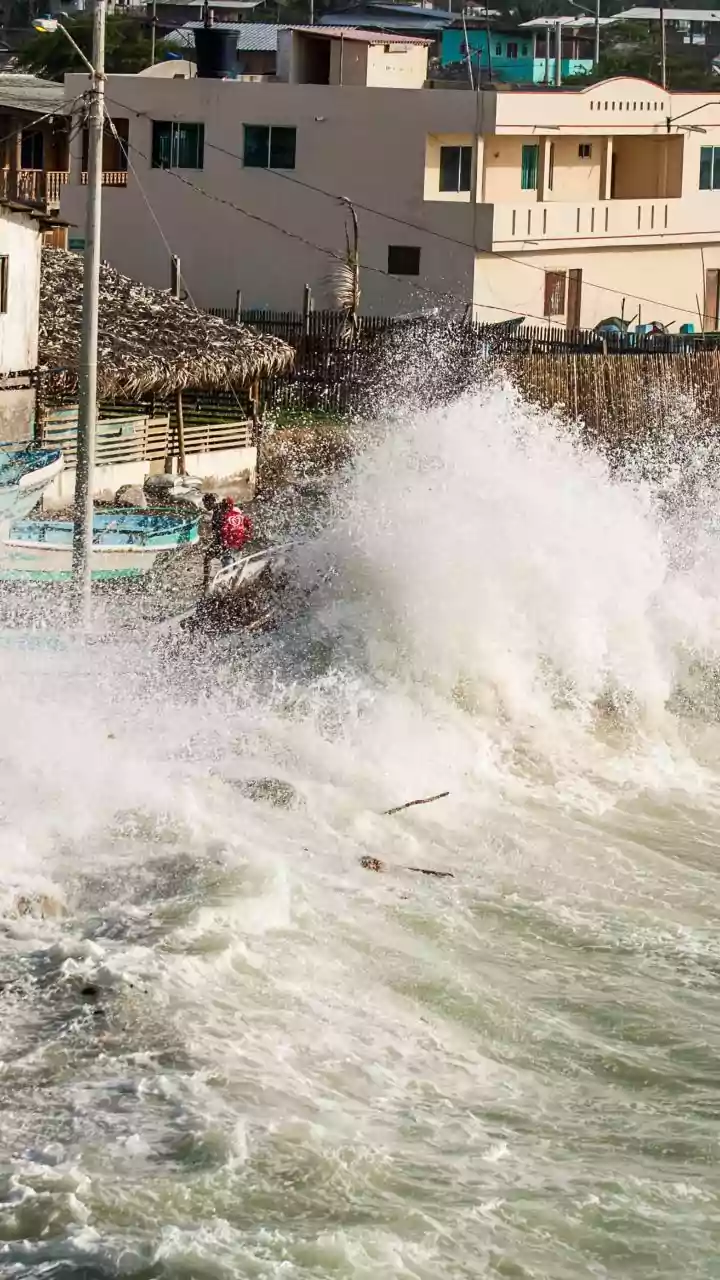
The final leg of any journey, the “last mile,” is often the most challenging during a downpour. Waterlogged roads, immense traffic jams, and a sudden scarcity of transport can turn a simple trip home into a multi-hour ordeal. For app-based ride-hailing
services, heavy rain means fewer drivers are willing to navigate treacherous conditions, leading to a spike in demand that far outstrips supply. This imbalance triggers surge pricing, which can multiply fares significantly. Drivers may also become more selective, cancelling trips to undesirable or heavily flooded locations. Traditional transport like auto-rickshaws faces similar issues, with drivers refusing fares or demanding exorbitant rates to cover the risk and difficulty of the journey. The result is a system under strain, where getting any reliable ride becomes a significant hurdle for the daily commuter.
Your Digital Pre-Check Toolkit
Before you even think about booking a ride, arm yourself with information. Don't rely solely on a single transport app. Start with a reliable weather app to check for real-time precipitation forecasts. Knowing if the rain is likely to stop in 20 minutes or continue for hours can inform your decision to wait or go. Next, use a real-time traffic app like Google Maps to view the state of the roads. Look for red and maroon lines indicating severe congestion and check for reported road closures or waterlogging hotspots. Some transport apps also offer live tracking of buses or show heatmaps of vehicle availability, which can give you a clue about which areas to avoid. This initial digital reconnaissance takes only a few minutes but can save you hours of frustration.
Booking Smarter, Not Harder
When it's time to book, strategy is key. If you're using a ride-hailing app, avoid booking during the peak of the downpour when surge pricing is at its highest. If possible, wait for a lull in the rain, as prices can drop as quickly as they rise. Consider walking a short distance to a less-congested main road or a less water-logged area for your pickup; this can make your ride more attractive to drivers. Be wary of booking to destinations in known low-lying or flood-prone areas, as this is a common reason for cancellations. While convenient, scheduled rides offer no guarantee during a rainstorm, as conditions can change rapidly. Always have a backup plan, even if your booking is confirmed. And remember, during heavy rain, patience is your greatest asset; wait times will inevitably be longer.
Lean on Public Transport's Strengths
During extreme weather, the city's public transport network can be your most reliable option. Elevated metro systems, in particular, are often the unsung heroes of the monsoon, operating above the chaos of flooded streets. Cities like Mumbai, Delhi, and Kochi have extensive metro networks that remain largely unaffected by rain. The primary challenge shifts to reaching the station. Plan your feeder journey carefully. If metro feeder buses are running, check their real-time status if available. For shorter distances, an auto-rickshaw might be your best bet to get to the station entrance. The key is to think of your journey in segments: how to get to the metro, the metro ride itself, and how to cover the final distance from the destination station.
Always Have a Plan B and C
The cardinal rule of monsoon commuting is to never rely on a single option. Your Plan A might be an Uber, but what happens when there are no cars available or the fare is astronomical? Your Plan B could be the metro. Your Plan C might be to call a trusted local taxi service whose number you've saved. It could even be a pre-arranged carpool with a colleague who lives nearby. Sometimes, the smartest plan is to not travel at all. If the weather is severe and authorities have issued warnings, consider if your travel is essential. Discussing flexible work arrangements with your employer for the worst days is also a practical step. Having a monsoon kit with a power bank, a waterproof bag for electronics, and dry clothes at the office can make unexpected delays more manageable.