







An Unprecedented Power Demand
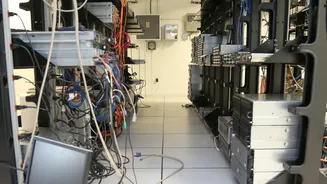
The global engine of the digital economy—data centres—is becoming incredibly power-hungry. The International Energy Agency (IEA) has raised alarms, projecting that worldwide electricity consumption from data centres could more than double by 2030, potentially
reaching 1,000 terawatt-hours. This surge is primarily fuelled by the explosive growth of artificial intelligence, which requires vastly more computational power than traditional data processing. An AI-focused data centre can consume as much electricity as 100,000 homes. This intense, 24/7 demand profile is unlike anything grid planners have dealt with before, presenting a unique challenge to energy systems globally, and particularly in rapidly digitising nations like India.
India's Data Centre Boom
India is at the epicentre of this boom, with the government targeting significant investment in data centre and AI infrastructure. Reports from firms like CRISIL project that India's data centre capacity will see a massive expansion, potentially five-fold to around 7.5 GW by 2030, attracting investments of over Rs 3 lakh crore. This growth is driven by a combination of factors: enterprise digitalisation, rising data consumption, data localisation policies, and the global race for AI supremacy. The Ministry of Power's own estimates have been revised upwards, with projections for power demand from data centres now reaching as high as 26.3 GW by 2032, highlighting the rapidly evolving landscape. This surge in capacity is not evenly spread, with the majority expected to be concentrated in a few states like Maharashtra, Tamil Nadu, Andhra Pradesh, and Uttar Pradesh, creating localised hotspots of intense energy demand.
The Challenge to Green Goals
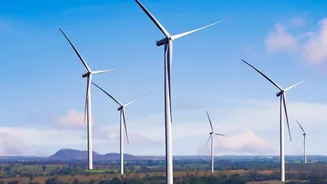
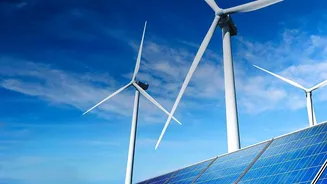
This escalating power demand directly challenges India's ambitious climate and energy goals for 2030. The nation is committed to achieving 500 GW of installed capacity from non-fossil fuel sources and reducing the emissions intensity of its economy. While India is reportedly on track to meet this renewable capacity target, the sheer scale and nature of data centre demand complicates the picture. Data centres require constant, reliable power, something that intermittent renewable sources like solar and wind cannot provide alone. This could force a greater reliance on fossil fuels to ensure grid stability, or necessitate massive new investments in energy storage and transmission infrastructure, straining resources and potentially slowing the green transition. The concern is that adding several gigawatts of constant load in a single state could destabilise local grids if not meticulously planned for.
Planners Scramble to Adapt
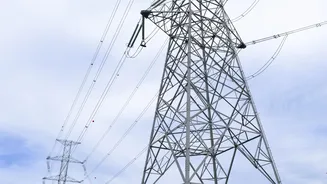
In response, India's top energy planning bodies are taking action. The Central Electricity Authority (CEA) has begun formally incorporating data centre demand into its national electricity forecasting. This means that future grid planning will have to account for this new, powerful category of consumption. Planners are holding meetings with state utilities and data centre developers to assess power supply requirements and transmission needs. The challenge is not just about generating more electricity, but also about managing its flow. AI workloads can cause rapid power fluctuations of 20-40%, creating instability. This has led to committees being formed to study these unique demand patterns and find ways to integrate them without disrupting the grid. Some officials are even seeing the impact in rising costs for grid management hardware, driven by the same tech boom.
The Path Forward
Navigating this challenge requires a multi-pronged approach. Experts and policymakers are exploring several solutions. One approach is to make grid connections for new data centres conditional on them offering 'operational flexibility', such as shifting non-critical tasks to off-peak hours or installing their own battery storage. Another key strategy is to promote the development of data centres in close proximity to large-scale renewable energy parks, creating dedicated green energy zones. Major corporations are already making significant investments in renewable energy in India to power their operations. Ultimately, the race is on to ensure that India's power infrastructure can keep pace with its digital ambitions. This involves not only building more generation capacity but also strengthening transmission lines, improving grid management technology, and creating policies that encourage energy efficiency within the data centres themselves.