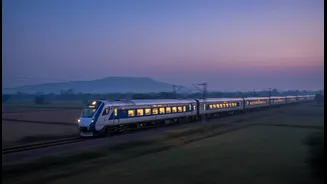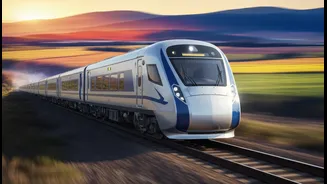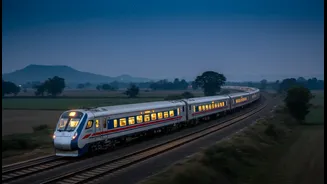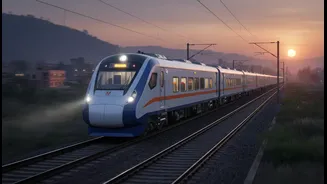








A New Chapter in Overnight Journeys
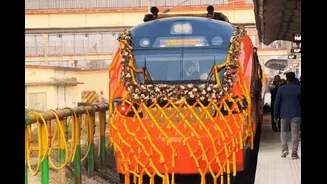
Indian Railways is set to launch its second Vande Bharat sleeper service, the Sant Ravidas Express, on July 17. This train will connect Varanasi in Uttar Pradesh with Chheharta, near Amritsar in Punjab, a significant corridor for both business and religious
tourism. The commercial operations for the first-ever Vande Bharat sleeper began in January 2026, marking a significant step in modernizing long-distance train travel. The new train, like its predecessor, is a self-propelled trainset capable of higher speeds and quicker acceleration, designed to redefine the overnight travel experience that has been dominated by the Rajdhani Express for decades. This second service, operating tri-weekly, reinforces the railways' commitment to expanding this premium network across the country.
What Exactly Makes It 'Premium'?
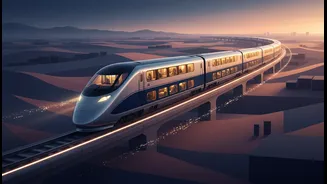
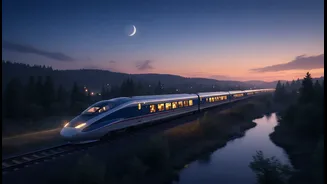
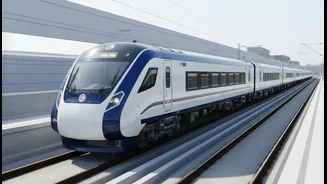
The Vande Bharat sleeper is engineered for comfort and speed. Unlike conventional trains, it has an aerodynamic design and improved coupling, which significantly reduce jerks and track noise, promising a smoother, quieter ride even at speeds up to 160 km/h. Inside, passengers will find ergonomically designed, wider, and better-cushioned berths. Each berth is equipped with its own reading light and charging ports. The coaches feature automatic doors, sensor-based taps in modern bio-vacuum toilets, and superior soundproofing. For those in First AC, there's even the luxury of an onboard hot shower. The entire train is fully air-conditioned and features a passenger information system, CCTV cameras for security, and dedicated pantry areas to serve meals.
The Cost of Upgraded Comfort
This enhanced experience comes at a price. Fares for the Vande Bharat sleeper are notably higher than those for Rajdhani Express trains. The pricing is structured on a per-kilometre basis, with rates set at approximately ₹2.4 for 3AC, ₹3.1 for 2AC, and ₹3.8 for 1AC, plus GST. A key difference in its ticketing policy is the absence of Reservation Against Cancellation (RAC) or waitlisted tickets; only confirmed berths are issued. Furthermore, there is a minimum chargeable distance of 400 kilometres, meaning even shorter trips will be billed for this base distance. For example, a 400 km journey would cost a minimum of ₹960 in 3AC, making it a distinctly premium option.
Vande Bharat Sleeper vs. Rajdhani
For over 50 years, the Rajdhani Express has been the gold standard for premium overnight travel in India. The Vande Bharat sleeper is the first true challenger to its legacy. While Rajdhani trains can reach speeds of 140 km/h on certain sections, the Vande Bharat is designed for speeds of 160-180 km/h, potentially reducing travel time. The core difference lies in the technology; Vande Bharat trains are self-propelled multiple units, allowing for faster acceleration and deceleration, unlike the locomotive-hauled Rajdhanis. This, combined with superior suspension and jerk-free coaches, offers a significantly more comfortable journey. However, the Rajdhani still holds an edge on price and has a more flexible ticketing system that includes RAC options. The choice for travellers will likely come down to a trade-off between the familiar reliability of the Rajdhani and the modern, faster, but more expensive Vande Bharat experience.
The Future Vision for Indian Railways
The introduction of sleeper versions of the Vande Bharat is a cornerstone of Indian Railways' strategy to modernize its fleet and cater to a growing demand for comfortable, high-speed travel. These trains are designed and manufactured in India under the 'Make in India' initiative, representing a leap in indigenous engineering. The plan is to roll out these trains on major long-distance routes, particularly those between 800 and 1,200 kilometres, directly competing with airlines for overnight travel. By offering a faster, more comfortable, and safer alternative to existing services, the railways aim to capture the premium passenger segment. The expansion of the Vande Bharat network, including these new sleeper services, signals a clear vision for a future where train travel is not just about reaching a destination, but about the quality of the journey itself.