


The Gasp Before the Storm
Before the clouds broke, Mumbai was gasping. The weeks leading up to the monsoon were a grueling test of endurance. Temperatures soared, but it was the oppressive humidity that clung to the city like a wet blanket, making daily life a sticky, exhausting
affair. Air conditioners hummed incessantly, power grids strained, and the city’s water reservoirs, including the seven lakes that quench its thirst, dipped to critically low levels. The Brihanmumbai Municipal Corporation (BMC) had already implemented a 5% water cut, with warnings of a 10% cut if the rains were delayed further. For millions of Mumbaikars, the wait wasn’t just about comfort; it was about the fundamental need for water, a tension that builds every year but felt particularly acute in 2024.
A Drenched Sigh of Relief
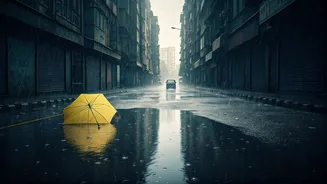
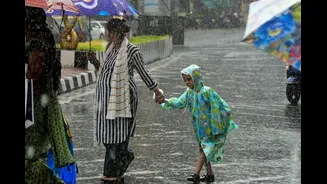
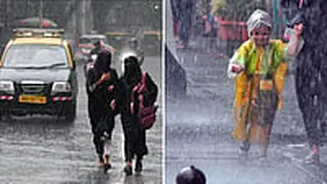
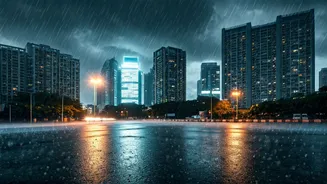
Then, it happened. The Indian Meteorological Department (IMD) announced the monsoon's official arrival, slightly ahead of the typical schedule. The grey skies finally opened up, and the city collectively exhaled. The downpour was more than just water; it was a city-wide mood shift. The scorching asphalt cooled, the dust settled, and the vibrant green that lies dormant in Mumbai’s crevices began to re-emerge. Social media feeds, once filled with complaints about the heat, were flooded with images of chai and pakodas, rain-soaked promenades, and children dancing in the streets. This initial relief is a powerful, unifying experience in Mumbai, a temporary truce with nature that washes away the accumulated grime and exhaustion of the pre-monsoon summer.
A World Parched
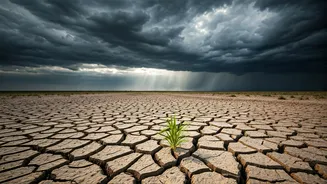
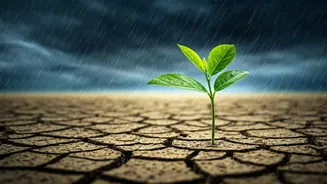
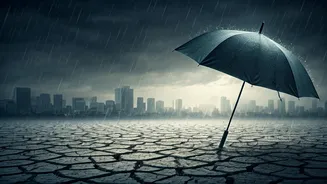
While Mumbai celebrates its life-giving rains, the global picture provides a stark, sobering contrast. The headline's mention of 'historic global dryness' isn't hyperbole. Recent months have seen record-shattering heatwaves and droughts across the planet. Mexico City has been grappling with a severe water crisis, its reservoirs at historic lows. Vast swathes of Southeast Asia, from Thailand to the Philippines, have endured brutal heat that has closed schools and strained energy supplies. Even parts of Europe are bracing for another summer of intense drought. Climate agencies like the Copernicus Climate Change Service have confirmed a relentless streak of record-hot months globally. In this context, Mumbai’s monsoon isn’t just a local weather event; it’s a fortunate anomaly, a pocket of relief in a world increasingly defined by water scarcity and extreme heat.
Monsoon’s Other Face
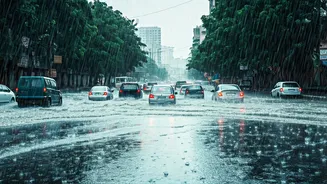
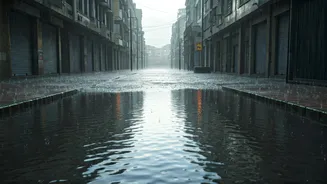
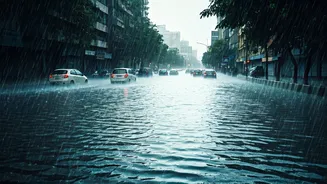
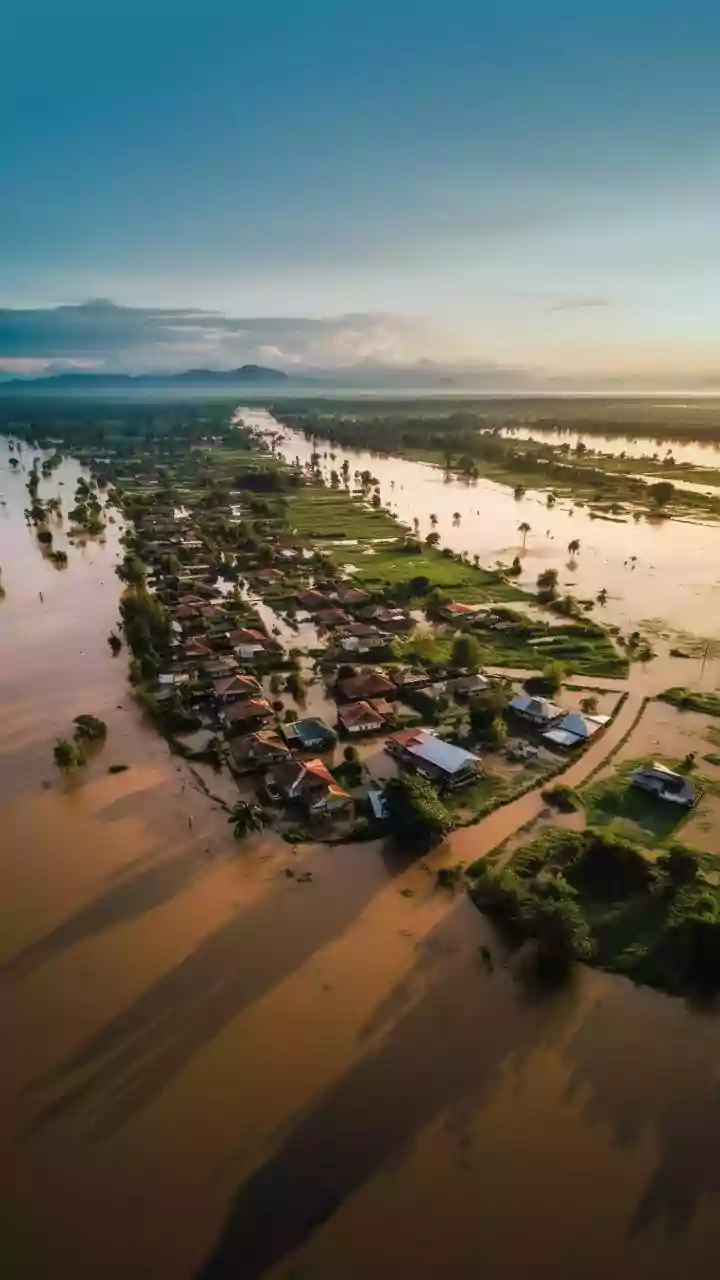
However, for Mumbaikars, the relief is always tinged with apprehension. The monsoon is both a saviour and a disrupter. The same rains that fill the lakes also flood the streets, turning commutes into logistical nightmares. Waterlogging in low-lying areas like Hindmata and Sion is a near-certainty. The city's creaking infrastructure is put to its annual, severe test. Train services, the city's lifeline, are often disrupted, and the risk of building collapses and water-borne diseases rises. The arrival of the monsoon marks a pivot from one type of civic challenge—water scarcity—to another: water management. The joy of the first shower quickly gives way to the practical realities of navigating a city under siege from the very water it desperately prayed for.