


Bolstering the National Rail Network
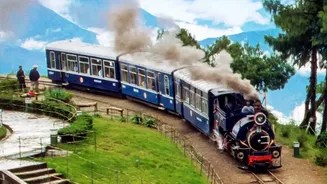
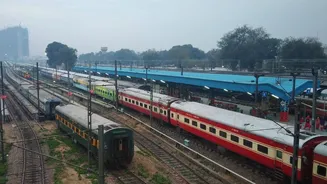
Indian Railways is at the forefront of managing the festive rush, announcing numerous special train services to clear the anticipated demand. Northern Railway has launched several 'Festival Special' trains connecting major hubs like Delhi with high-demand
destinations in Uttar Pradesh and Bihar for festivals like Dussehra, Diwali, and Chhath Puja. These services, such as the New Delhi-Danapur and Varanasi-Anand Vihar routes, are scheduled to run through September, October, and November 2026. The advance reservation window for these journeys opened in early September, prompting authorities to advise passengers to book early to secure confirmed berths and avoid the last-minute scramble. This large-scale, 90-day special train schedule is a significant effort to provide seamless connectivity during the country's peak travel months.
Mumbai's Metro Boost for Ganeshotsav
For Ganeshotsav, Mumbai is leveraging its expanding Metro network to ease congestion. The Mumbai Metro Rail Corporation (MMRC) has extended services on the Aqua Line (Line 3) until midnight from September 14 to September 25, 2026. This gives pandal-hoppers an extra 90 minutes, as the last trains from terminal stations will depart at midnight instead of the usual 10:30 pm. The decision is aimed at providing a safe and comfortable alternative to crowded roads, especially in areas like Siddhivinayak, Dadar, and Girgaon, which see massive footfalls. Additionally, passengers are permitted to carry small Ganesh idols (up to 18 inches) on the metro, further integrating public transport into the fabric of the festival.
Kolkata's Detailed Plan for Durga Puja
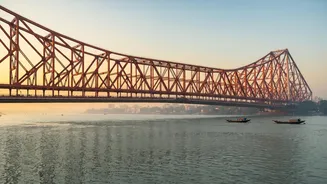
In Kolkata, preparations for Durga Puja are well underway, with a strong focus on crowd control and safety at pandals. Kolkata Police has directed all police stations to create detailed plans for major pujas, including mapping pandal layouts and estimated footfalls to prevent overcrowding. Key measures include ensuring separate entry and exit routes, discouraging lengthy stays inside pandals to maintain flow, and coordinating with civic bodies to maintain street lighting and road conditions. This year, the West Bengal government has also imposed a ban on DJs during celebrations and announced that liquor shops will be closed on Maha Ashtami. No puja inaugurations will be permitted before Mahalaya, marking a return to a more traditional festival timeline.
Delhi's Focus on Traffic Decongestion
Delhi's authorities are bracing for the festival season with a heavy focus on traffic management. The Delhi Traffic Police regularly issues advisories for festivals like Janmashtami and Diwali, often cancelling staff leave to ensure maximum deployment on the streets. Plans for major market areas like Chandni Chowk, Lajpat Nagar, and Sarojini Nagar include strict enforcement of 'no-parking' zones and the removal of illegally parked vehicles to ensure smooth traffic flow. Ahead of festivals, specific traffic diversions are announced, and commuters are urged to use public transport and check real-time traffic updates on official social media handles before travelling. This proactive communication aims to help residents and visitors navigate the city more efficiently during periods of heavy congestion.
A National Push for Better Management
Beyond individual city efforts, there's a broader national trend towards more structured tourism management. States are increasingly expected to share real-time data on tourist footfalls to help manage crowd pressure during peak seasons. Some sensitive destinations, like hill stations and temple towns, are even introducing daily visitor limits. These policies reflect a larger shift in strategy: from merely promoting tourism to actively managing it for sustainability and a better visitor experience. This structured approach aims to turn India's vibrant festival calendar into a more organised and accessible asset for both domestic and international travellers.