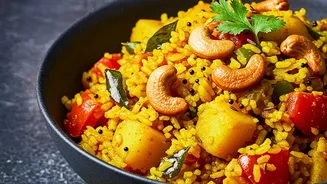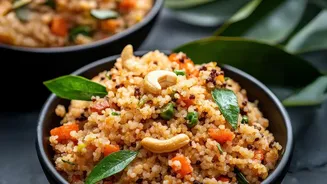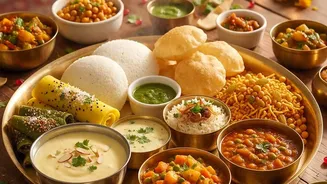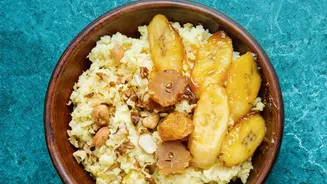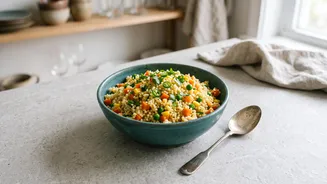

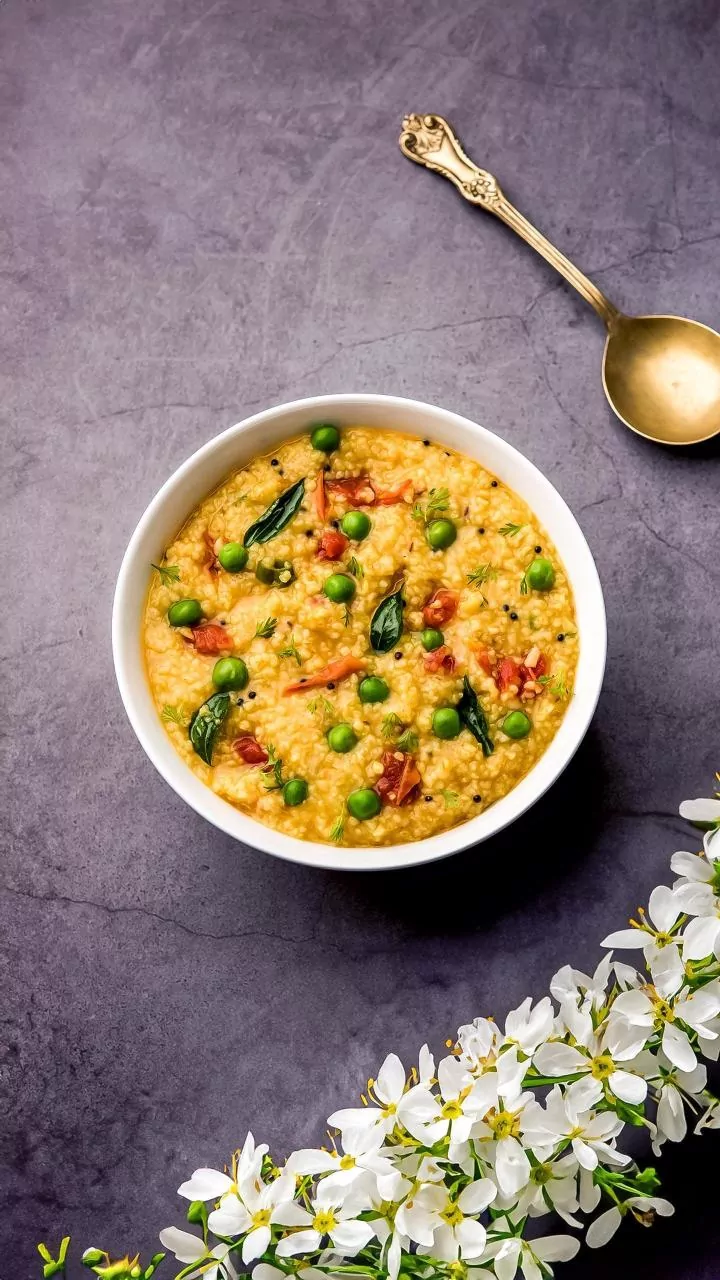
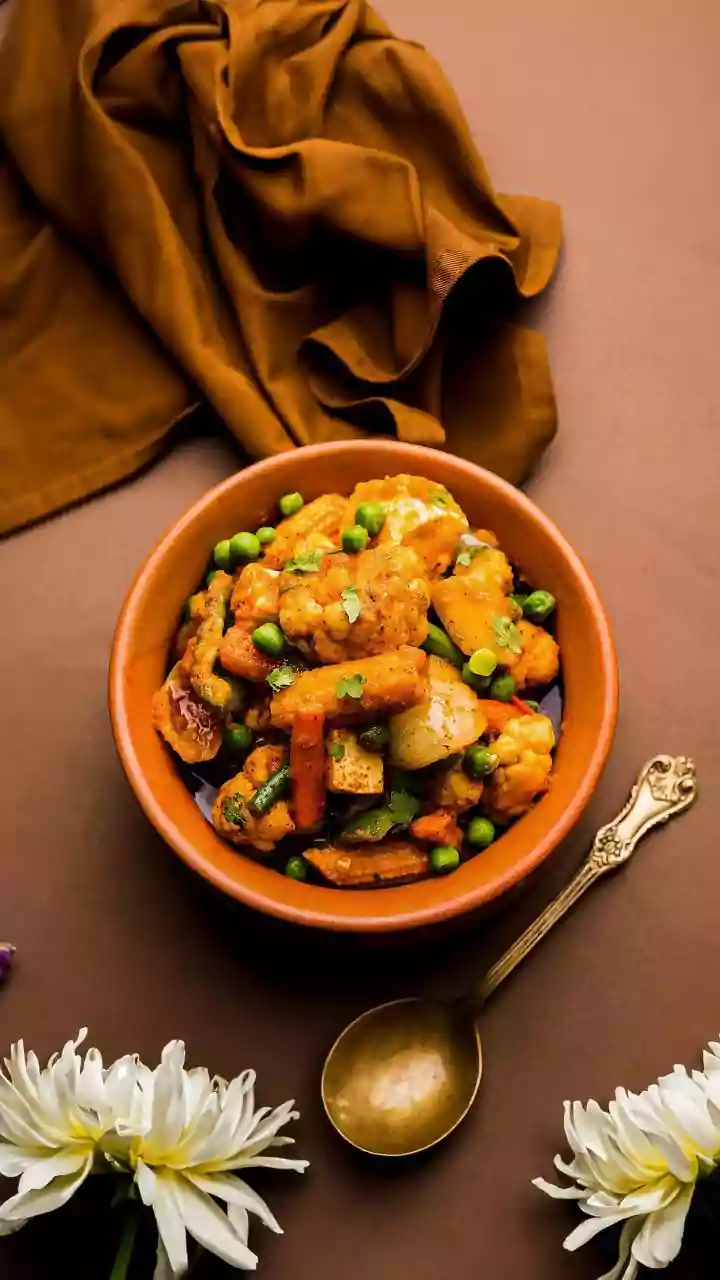
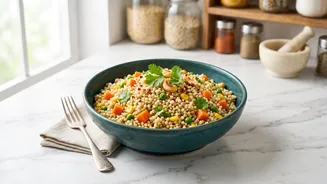
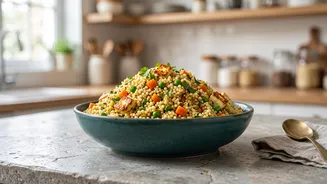
Millet vegetable pulao is a wholesome, delicious one-pot meal, but getting the texture right can be frustrating. A mushy or dry result is a common complaint. The secret lies not in a complex recipe, but in understanding the grain itself.
Why Perfect Texture is the Goal
Unlike khichdi,
where a softer, porridge-like consistency is desired, a good pulao is defined by its fluffy, separate grains. Each grain of millet should be distinct, light, and perfectly cooked—tender but not mushy. This allows the individual flavours of the vegetables and spices to shine through. Achieving this coveted texture transforms the dish from a simple healthy meal into a truly satisfying culinary experience. The common pitfalls—stickiness, hard centres, or a soupy consistency—are almost always correctable by adjusting your technique.
Choose Your Millet Wisely
Not all millets behave the same way, and your choice impacts the final dish. For a pulao that mimics the texture of a traditional rice-based dish, Foxtail Millet is an excellent choice, known for its ability to cook into light, separate grains. Barnyard Millet is another great option; it cooks relatively quickly and absorbs flavours beautifully, resulting in a fluffy final product. Little Millet also works well for pulao and upma preparations. Kodo Millet can be used, but it tends to be chewier. While you can use any of these, starting with foxtail or barnyard millet often provides the most predictable and desirable 'pulao-like' texture for beginners.
The Non-Negotiable Soaking Step
While some recipes might say it's optional, soaking millet is one of the most crucial steps for achieving an even texture. Soaking for just 30-45 minutes helps soften the tough outer layer of the grain. This ensures the millet cooks evenly, preventing the common issue of grains that are soft on the outside but still hard in the centre. Soaking also reduces overall cooking time by about 20-30% and can help remove any mild bitterness some millets may have. Before soaking, always rinse the millet thoroughly under cold water to remove any dust or residue. After soaking, drain this water and use fresh water for cooking.
Mastering the Millet_to_Water Ratio
Using the wrong amount of water is the single most common reason for a failed millet pulao. Unlike rice, you cannot use a one_size_fits_all ratio. For a fluffy pulao made with soaked foxtail, little, or barnyard millet, a 1:_2 ratio (one part millet to two parts water) is the standard starting point. If you use too much water, the millet will turn mushy and soupy. Too little, and it will be dry and undercooked. It's best to measure precisely. If using a pressure cooker, this ratio is generally reliable for achieving separate grains after allowing the pressure to release naturally.
Technique for Fluffy Grains
The cooking process itself has a few key moments that define the texture. After sautéing your whole spices, onions, and vegetables, add the drained, soaked millet and gently toast it in the ghee or oil for a minute or two. This step coats each grain, helping to prevent stickiness and adding a pleasant, nutty aroma. Once you add the water and salt and bring it to a boil, give it one final stir, then reduce the heat to low, cover the pot tightly, and let it cook undisturbed. Stirring during this stage can break the grains and release starch, leading to a gummy texture. Cook for about 12–15 minutes, or until the water is fully absorbed.
The Final,' Crucial Rest
Once the millet is cooked and the water is absorbed, resist the urge to serve it immediately. Turn off the heat and let the pulao rest,' still covered,' for at least 5 to 10 minutes. This resting period is vital;' it allows the residual steam to distribute evenly,' finishing the cooking process and ensuring any remaining moisture is absorbed. This step makes the grains firmer and less likely to break. After resting,' open the lid and gently fluff the pulao with a fork,' not a spoon,' to separate the grains without mashing them. This final touch is the secret to a light,' airy,' and perfectly textured pulao.