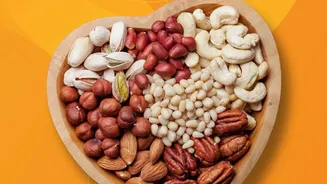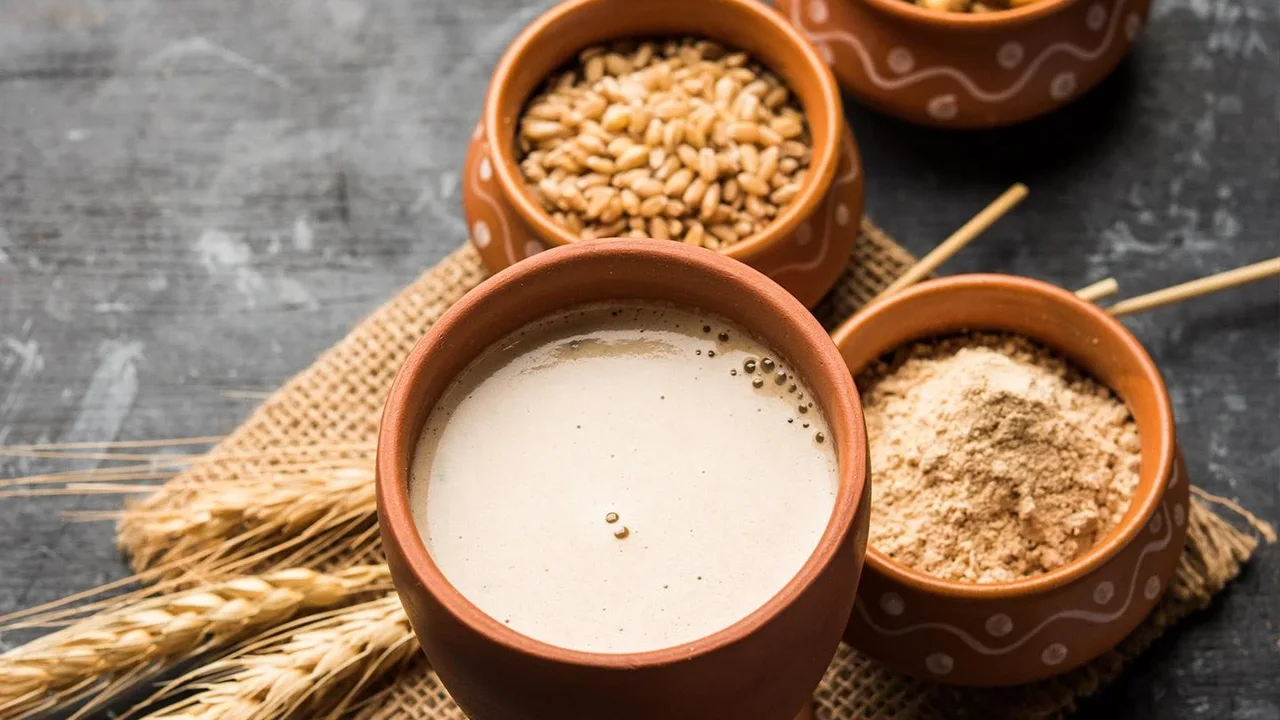







You may have seen it on social media or heard it from a health-conscious friend: the simple act of soaking nuts and seeds overnight. This isn't a new fad, but a revival of ancient wisdom that is gaining traction among young Indians.
The Return of Traditional Wisdom
Across many Indian
households, the practice of soaking almonds ('badam') or walnuts ('akhrot') overnight is a familiar ritual, often rooted in Ayurvedic principles. Ayurveda suggests that this process reduces the natural heat ('Ushna Virya') of nuts and seeds, making them easier on the digestive system or 'agni' (digestive fire). Today, this age-old habit is being embraced by a new generation, not just for tradition's sake, but because modern science is beginning to validate its nutritional benefits. It fits perfectly into a broader wellness trend where young Indians are focusing on sustainable, simple, and preventive health measures that can be easily integrated into a busy lifestyle.
Unlocking Nutrients: The Science of Soaking
So, what exactly happens when you soak a seed in water? Raw nuts, seeds, and grains have a natural defense mechanism to protect them until they are ready to germinate. This includes compounds called phytic acid and enzyme inhibitors. Phytic acid, often called an 'anti-nutrient', can bind to essential minerals like iron, zinc, magnesium, and calcium in your gut, preventing your body from fully absorbing them. Enzyme inhibitors can put a strain on your digestive system. Soaking essentially mimics nature's process of germination. It helps to neutralize a significant portion of the phytic acid and deactivates these enzyme inhibitors, making the seeds softer and easier to digest.
What Are the Health Benefits?
The primary benefit of soaking is improved nutrient bioavailability, which means your body can absorb more of the good stuff packed inside. By reducing phytic acid, you enhance the absorption of key minerals. The deactivation of enzyme inhibitors can lead to better digestion and less bloating or discomfort, which some people experience after eating raw nuts. Soaking also helps increase the amount of certain vitamins, especially B vitamins, and makes proteins more readily available for absorption. Beyond the internal benefits, many find that soaked nuts and seeds have a better, less bitter taste and a softer, creamier texture, making them more pleasant to eat and easier to blend into smoothies or chutneys.
A Simple How-To Guide for Soaking
Getting started is incredibly simple. All you need are raw, unsalted nuts or seeds, a bowl, and filtered water. Place your chosen seeds in the bowl and cover them with water, typically using a 2:1 ratio of water to seeds. Let them sit at room temperature. The soaking time varies: almonds and fenugreek seeds benefit from an 8–12 hour soak, while walnuts need about 4–6 hours and cashews only 2–3 hours. Chia and flax seeds are hydrophilic, forming a gel quickly. After soaking, it's crucial to discard the soak water, as it contains the phytic acid and inhibitors you're trying to remove. Rinse the nuts or seeds thoroughly under fresh water before eating them or adding them to your meals.
Which Seeds Should You Soak?
Most raw nuts and seeds benefit from soaking. Good candidates include almonds, walnuts, pumpkin seeds, sunflower seeds, and fenugreek seeds. However, some, like flax and chia seeds, don't need a long soak but rather a quick one to form their characteristic gel, which aids digestion. Some sources suggest that certain nuts like macadamia nuts and Brazil nuts do not require soaking. It's important to start with raw, un–roasted nuts and seeds, as the roasting process deactivates the enzymes that soaking aims to influence. You can add soaked seeds to smoothies, oatmeal, salads, or simply eat them as a nutritious snack.