

A Tale of Two Origins
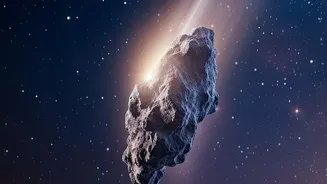
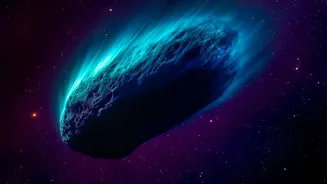
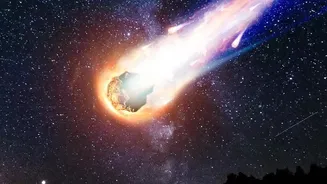
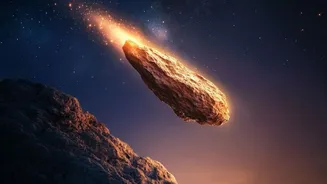
The most fundamental difference between a meteor and orbiting debris is where they come from. Meteors, often called shooting stars, are the visible result of meteoroids—small rocks or particles from asteroids or comets—entering Earth's atmosphere. These
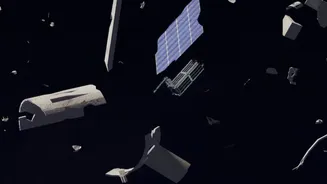
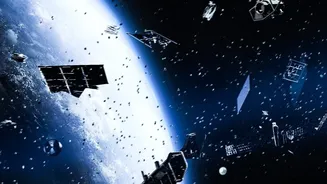
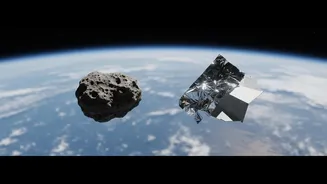
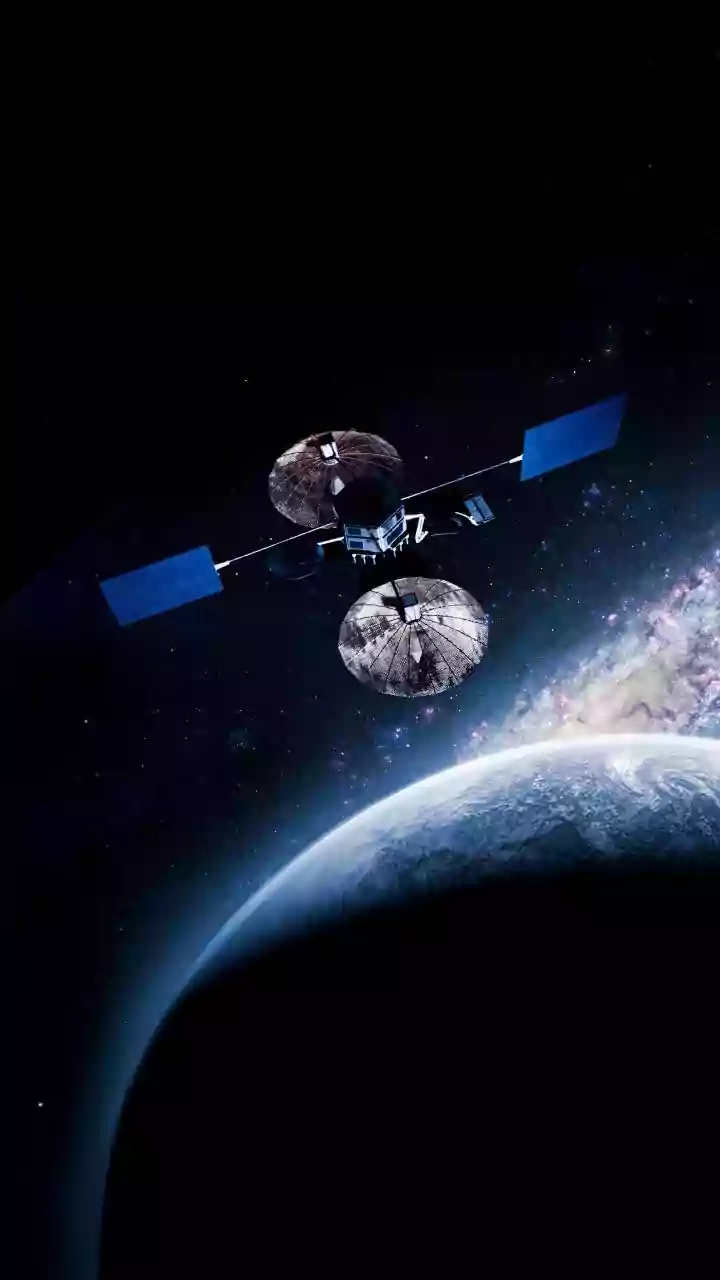
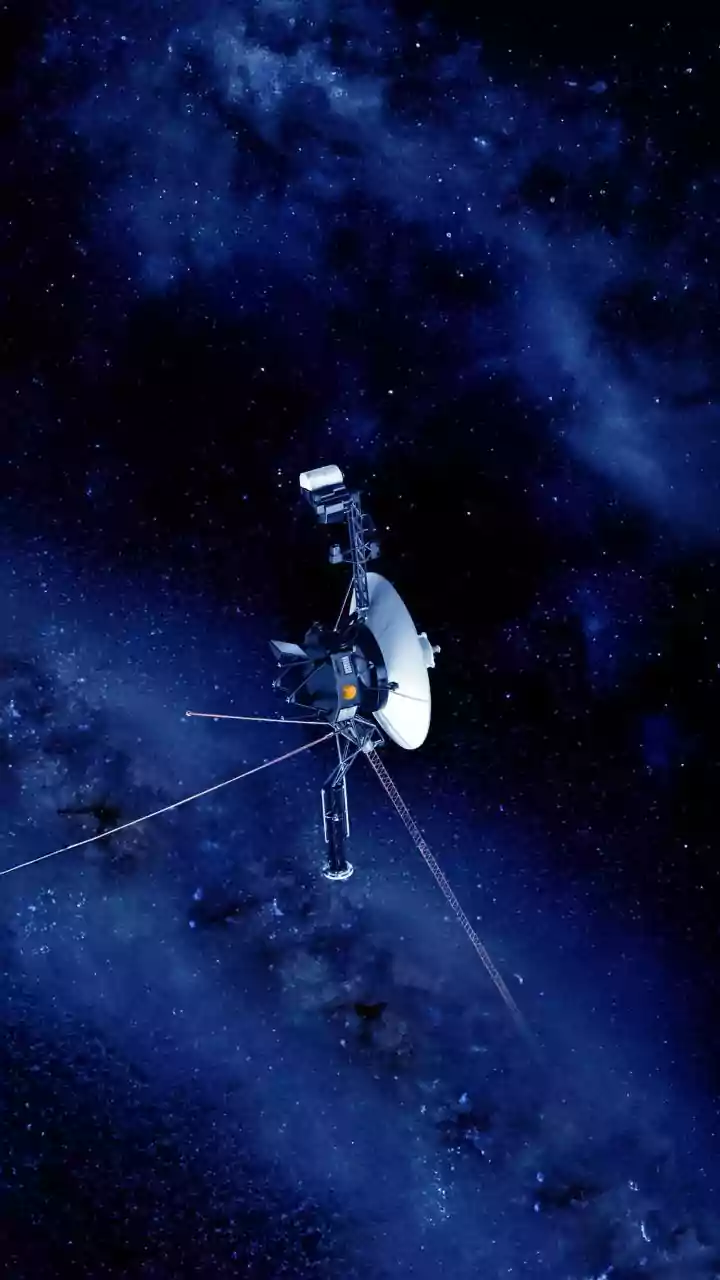
are natural objects, remnants from the formation of our solar system. In contrast, orbital debris is entirely human-made. It consists of everything from spent rocket stages and defunct satellites to fragments from orbital collisions and even tools lost by astronauts. While a meteor is a visitor from interplanetary space, space debris is our own celestial litter coming back down to Earth.
The Decisive Factor: Speed
If there's one giveaway, it's speed. Meteors are exceptionally fast. As Earth moves through space, it sweeps up meteoroids that are orbiting the sun. The combined velocities result in atmospheric entry speeds that can range from 11 to 72 kilometres per second. Human-made debris, however, is already in Earth's orbit. It’s moving quickly, but relative to us, its entry is much slower. Debris typically enters the atmosphere at around 8 km/s (about 28,000 km/h). This vast difference in speed has a direct impact on what we see. A meteor's journey is often over in a flash, lasting just a few seconds. A piece of re-entering debris, because it's moving slower and often at a shallower angle, can remain visible for 30 to 90 seconds, sometimes even minutes, as it travels across the sky.
Predictable Paths vs. Random Arrivals
Human-made objects are launched into specific orbits. Most satellites travel from west to east to take advantage of Earth's rotational speed. Consequently, when their orbits decay, they tend to re-enter along a predictable, often shallow, and nearly horizontal path. Meteors, on the other hand, can arrive from any direction. Their entry angle is typically much steeper. While sporadic meteors are random, meteor showers are predictable annual events. They occur when Earth passes through the debris trail left by a specific comet or asteroid, causing numerous meteors to appear to radiate from a single point in the sky, known as the radiant. If you see many streaks coming from the direction of the constellation Leo in mid-November, you're likely seeing the Leonid meteor shower, not a fleet of falling satellites.
Clues in Colour and Composition
What an object is made of determines the colour of the light it produces as it burns up. Meteors are primarily rock and metal. Their composition often includes minerals rich in sodium (which burns orange-yellow), iron (yellow), and magnesium (blue-green). Human-made debris, by contrast, is made of materials like aluminium, titanium alloys, and composites used in spacecraft and rocket bodies. These materials can also burn with distinct colours, sometimes making visual identification tricky. However, scientists can use a technique called spectroscopy to analyse the light spectrum from a re-entering object. This allows them to identify the chemical elements present and definitively distinguish a natural rock from a piece of manufactured technology. Furthermore, debris often breaks apart into multiple, slow-moving glowing fragments, a sight less common for a solitary meteor.
What to Look For in the Sky
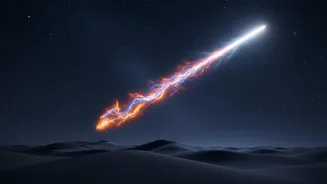
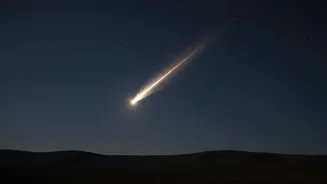
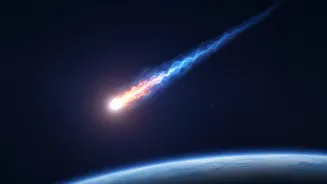
For the casual observer, the key differences are duration and speed. If you see something that makes you say, “Wow, did you see that?” it was probably a meteor—fast, fleeting, and gone in a few seconds at most. If you have enough time to point it out to a friend, pull out your phone, and watch it majestically glide across a large portion of the sky, it is almost certainly a piece of re-entering space junk. Meteors often appear as a sharp, bright streak that tapers off. Debris may look more like a slow-moving, bright ember, sometimes fragmenting as it goes. While both are spectacular sights, one is a natural cosmic phenomenon, and the other is a stark reminder of our growing presence beyond Earth.