






When Rain Brings a City to a Halt
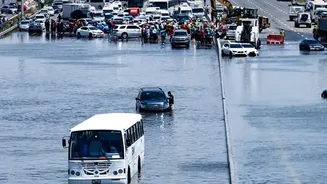
For millions of urban commuters in India, heavy rain isn't just an inconvenience; it's a major disruption. A few hours of intense downpour can lead to waterlogged streets, snarled traffic that stretches for kilometres, and delayed or suspended public
transport. The problem isn't the rain itself, but its cascading effect on city infrastructure. Low-lying areas get inundated, drains overflow, and key arterial roads become impassable. This annual challenge highlights a critical need for every citizen: to not just see a weather warning, but to understand precisely what it demands of us.
Decoding the IMD's Colour Code
The India Meteorological Department (IMD) uses a simple, four-colour system to issue weather warnings for events like heavy rainfall. Understanding this code is the first step to making informed decisions for your safety. Green (No Warning): This means all is well. Weather is clear, and no advisory is needed. Yellow (Be Aware): This is a heads-up. A yellow alert indicates the potential for bad weather over the next few days. For rain, this typically means moderate to heavy showers (64.5 mm to 115.5 mm) are possible. It's a signal to stay updated, as conditions could worsen. Orange (Be Prepared): This is a serious alert. An orange alert is issued when extremely bad weather is expected, with a high likelihood of causing disruptions. For rainfall, it signifies forecasts of heavy to very heavy rain (115.6 mm to 204.4 mm). Expect travel delays, waterlogging, and potential power cuts. Red (Take Action): This is the highest level of warning. A red alert indicates that authorities expect extremely severe weather that poses a significant risk to life and property. This is for rainfall exceeding 204.5 mm in 24 hours. Widespread travel disruption and power outages are likely, and you should follow all instructions from local authorities, which may include avoiding travel altogether.
What an Orange Alert Means for Your Commute
Receiving an orange alert isn't just a suggestion to carry an umbrella; it's a call to prepare for significant disruption. If you must travel, plan for your journey to take much longer than usual. Check traffic apps and public transport statuses before you leave home. Waterlogging on key routes is highly probable, and authorities may divert traffic. In cities like Mumbai and Delhi, an orange alert often precedes major traffic snarls and delays on local train lines. It's wise to charge your phone, carry a power bank, and inform your family or workplace of your travel plans. If your work allows for it, consider remote options.
Red Alert: When Staying Put Is the Safest Option
A red alert signifies imminent danger. It's a warning that the city's infrastructure is likely to be overwhelmed. In such conditions, the primary advice from disaster management authorities is to avoid all non-essential travel. Driving through waterlogged streets is extremely hazardous; water can conceal open manholes, and even shallow, fast-moving water can disable a vehicle. During past red alerts, cities have seen widespread flooding, suspension of train and bus services, and even closure of schools and offices. Prioritising your safety and the safety of others by staying indoors helps ease the burden on emergency services.
Your Smart Commuting Checklist for Rainy Days
Even with alerts, sometimes travel is unavoidable. Here’s a quick checklist to stay safer: 1. Check Before You Go: Always check the latest weather alerts and traffic updates from official sources. 2. Protect Your Essentials: Use waterproof bags or zip-lock pouches for your phone, wallet, and important documents. A power bank is a lifesaver during long delays. 3. Choose the Right Footwear: Wear sturdy, non-slip footwear to navigate slippery pavements and stations. 4. Stay Away from Waterlogged Areas: Never walk or drive through standing water if you cannot see the ground. It can hide deep potholes or open drains. 5. Be Cautious of Electrical Hazards: Stay far away from fallen power lines, and avoid touching electrical poles or switches with wet hands. 6. Pack an Emergency Kit: Keep a small kit with a hand towel, drinking water, some snacks, and any necessary personal medication. 7. Keep Key Numbers Handy: Save emergency numbers for disaster management, traffic police, and medical services on your phone.