






More Than Just Robot Chefs
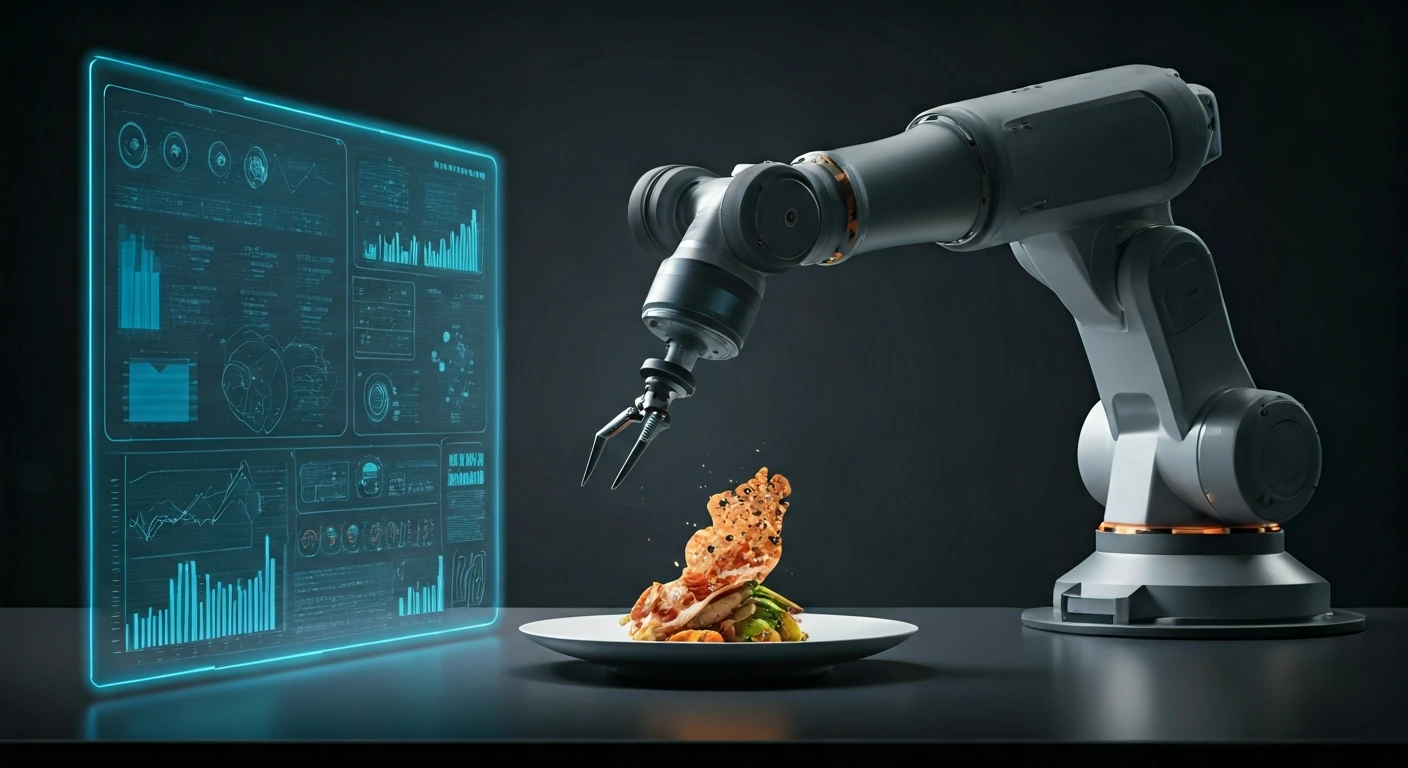
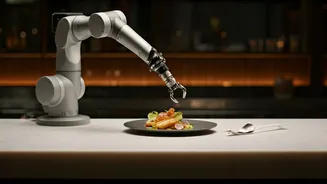
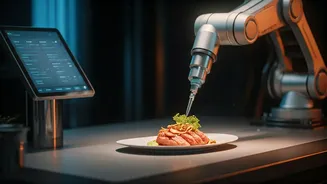
When you hear 'AI restaurant', you might picture a robot flipping burgers. While that exists—just look at 'Flippy', the robotic arm used by chains like White Castle and CaliExpress—the real story of AI in food service is much broader. An AI-powered restaurant uses
artificial intelligence to streamline tasks in both the front and back of the house. This can range from AI voice assistants that take your drive-thru order at a McDonald's or Wendy's to complex algorithms that predict how much inventory a restaurant like Chipotle will need. It's a spectrum of technology that includes everything from customer-facing kiosks and chatbots to behind-the-scenes management software. The goal isn't always to create a fully autonomous kitchen, but to use smart tools to make the entire operation more efficient and consistent.
The Brains Behind the Bite
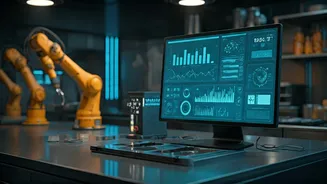
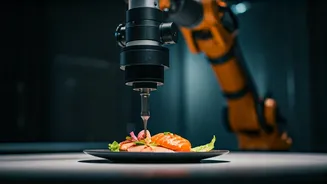
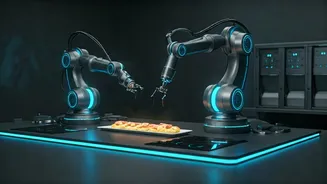
So how does it work? AI's role can be broken down into several key areas. In the kitchen, robots like Flippy use computer vision and sensors to grill food to the correct temperature, ensuring consistency. Salad chain Sweetgreen uses a robotic system called the 'Infinite Kitchen' where ingredients are dispensed into bowls on a conveyor belt, assembling custom salads with precision. Beyond cooking, AI is a powerful management tool. It analyzes historical sales data, weather forecasts, and even local events to predict customer traffic and staffing needs, helping to reduce labor costs. It also optimises inventory by forecasting exactly which ingredients are needed, cutting down on food waste by as much as 30-40% in some cases.
A Smarter, Faster Customer Experience
For diners, the most visible impact of AI is often in the ordering process. Self-service kiosks and mobile apps powered by AI can guide customers through menus, offer personalized recommendations based on past orders, and reduce human error. These systems can also handle upselling systematically, suggesting add-ons that a busy human cashier might forget. AI-driven chatbots and voice assistants on websites and phone lines can handle reservations and answer questions 24/7, reducing wait times and freeing up staff to focus on in-person guests. The result is often a faster, more accurate, and increasingly personalized service that keeps operations flowing smoothly, even during peak hours.
The Human Cost of an Automated Kitchen
Of course, the rise of automation raises concerns, chief among them being job displacement. With predictions that a large percentage of restaurant jobs could eventually be handled by robots, many worry about the future for kitchen and service staff. However, many in the industry argue that AI is a tool to assist, not replace, human workers. By automating repetitive and less desirable tasks—like working a hot, greasy fryer station—employees are freed up to focus on roles that require a human touch, such as customer interaction and creative problem-solving. Still, there are other hurdles. The initial investment for high-tech robotics and software can be substantial, and the reliance on technology means that a system failure could bring the entire operation to a halt. Perhaps most importantly, there's the risk of losing the personal touch and warmth that are central to the hospitality experience.