


Prioritise Paw Hygiene
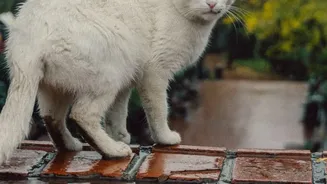
Your pet's paws are in direct contact with muddy, wet surfaces, which can be breeding grounds for bacteria and fungi. After every walk, make it a habit to wash their paws with lukewarm water and dry them thoroughly, especially between the toes, to prevent
infections. Trimming the fur between the paw pads can also help stop mud and moisture from building up. For added protection, consider applying a pet-safe paw balm to soothe their pads and prevent cracking.
Keep Their Coat Dry and Clean
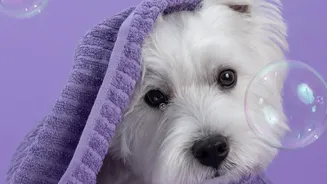
Constant dampness is the number one cause of skin infections in pets during the monsoon. Thoroughly towel-dry your pet after every walk or bath, paying special attention to their underbelly and skin folds. For dogs with thick coats, a pet-friendly hairdryer on a low heat setting can be effective. While keeping them clean is important, avoid over-bathing, as it can strip the skin of its natural protective oils. Bathing once or twice a month with a vet-approved shampoo is usually sufficient during this season.
Ramp Up Parasite Prevention
The humid monsoon weather creates the perfect breeding ground for ticks, fleas, and mosquitoes. These parasites are not just a nuisance; they can transmit serious diseases like tick fever. Stick to your pet's regular tick and flea prevention schedule as advised by your veterinarian. After walks, conduct a thorough check of their coat, especially around the ears, neck, and paws, to catch any pests early. Avoiding walks through tall grass or dense bushes can also reduce exposure.
Adjust Their Diet and Hydration
The damp weather can sometimes lead to an upset stomach or a decreased appetite. It's crucial to provide fresh, easily digestible food. Home-cooked meals like boiled chicken with rice and vegetables are a good option. Avoid leaving wet or home-cooked food out for too long, as it can spoil quickly in the humidity. Always provide access to fresh, clean drinking water. To prevent water-borne diseases like leptospirosis, never let your pet drink from puddles or stagnant water sources. Using filtered or boiled water is a safer choice.
Manage Ear Health
Moisture buildup in the ears can lead to painful infections, particularly in dogs with floppy ears. After any exposure to rain or water, gently wipe the visible part of your pet’s ears with a soft, dry cloth. Regular ear cleaning with a vet-recommended solution can help keep the ear canal dry and free of wax buildup. Watch for signs of infection like redness, swelling, or a foul odour, and consult your vet if you notice any.
Provide Indoor Enrichment
Rainy days often mean shorter or cancelled walks, which can leave active pets feeling bored and restless. Keep them mentally and physically stimulated with indoor activities. Food puzzle toys, treat-hiding games like 'treasure hunt', or a simple game of hide-and-seek can provide great entertainment. Regular indoor play helps burn off excess energy and strengthens your bond with your pet.
Ensure a Safe and Dry Environment
Your pet’s living space needs to be kept clean and dry to prevent fungal growth and other issues. Ensure their bedding is washed regularly and completely dry. Keeping it raised off a damp floor can also help. If your home becomes particularly humid, using a dehumidifier in the room where your pet spends most of their time can increase their comfort and reduce the risk of skin problems.