






Indian Railways is testing a 'less is more' approach to onboard catering. IRCTC has cut down its menu on a trial basis on select trains, aiming for higher quality and faster service over a lengthy list of options. Here’s what it means for you.
The 'Why' Behind the Change
The core
reason for this significant shift is quality control. For years, passengers have frequently complained about the inconsistent quality, hygiene, and freshness of food served on long-distance trains. IRCTC officials believe that managing a vast menu with numerous dishes creates operational challenges in limited pantry car spaces, making it difficult to maintain standards for every item. By reducing the number of dishes from a spread of eight to ten down to a more focused four, the catering authority aims to monitor each item more closely, ensuring better hygiene and consistency from preparation to service. The new model is inspired by the compact, quality-focused meal services offered by airlines. This move is part of a broader effort to enhance the passenger experience, with officials reporting that a similar approach in IRCTC's West Zone has already led to a 10% drop in catering complaints.
Which Trains Are Part of the Trial?
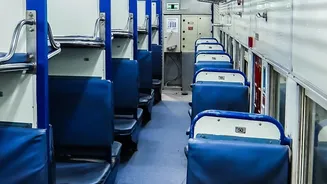
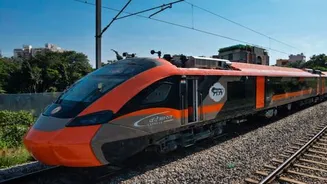
This pilot project, which began on November 1, 2026, is currently limited to three specific Vande Bharat sleeper train routes. These routes are the New Delhi-Varanasi Junction service, the Mumbai-Bengaluru service, and the Howrah-Kamakhya (Guwahati) service. IRCTC is using this 'Proof of Concept' (PoC) to gather crucial passenger feedback and operational data before considering a wider rollout. The decision to expand this trimmed menu to other premium trains like the Rajdhani or Shatabdi, and eventually other long-distance services, will depend entirely on the success and reception of this initial trial phase.
What's On—and Off—the New Menu?
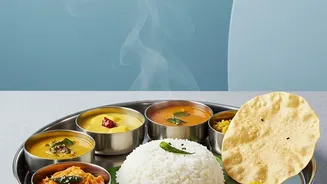
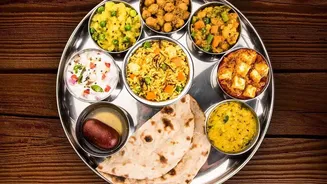
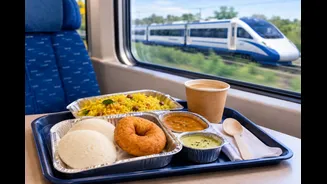
The new, streamlined menu is a significant departure from the previous elaborate offerings. For breakfast, passengers will now get a choice of one option from a simple selection, such as idli-vada with sambar and chutney, poha, or upma. Gone from the breakfast tray are items like soup, omelettes (and omelette sandwiches), vegetable sandwiches, buttermilk, and chocolates. Similarly, the lunch and dinner menus have been simplified. The main meal will now consist of chapati, rice, dal, and one main vegetable dish, with a chicken option for non-vegetarian passengers. This means accompaniments that were once standard, such as a second dry vegetable, curd, salad, pickle, and sweets, will no longer be served as part of the meal tray.
A Lighter Meal and a New Kitchen Model
The reduction in the number of items has also led to a lighter meal overall. The total weight of a meal has decreased from approximately 700-750 grams to about 450-500 grams. However, IRCTC officials have clarified that the portion size of the individual dishes that remain on the menu has not been reduced; the weight difference comes entirely from the removal of the extra items. To facilitate this new focus on quality, IRCTC is also changing its production model. Instead of relying on various existing vendors, the meals for this trial are being prepared by large, professional cloud kitchens and established catering companies that also service airlines and hotel groups, such as TajSATS and the Mayfair Group. This is intended to ensure food is prepared in controlled, hygienic conditions before being delivered to the trains.