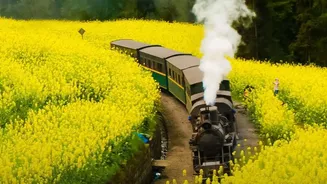


The Golden Age of Rail, Reimagined
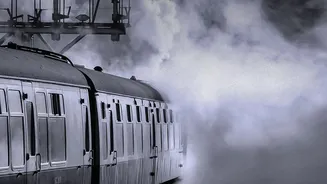
India’s love affair with railways is legendary, from the bustling local trains to the iconic heritage routes that snake through mountains and deserts. For decades, the pinnacle of this experience has been the ultra-luxurious tourist trains, offering a week-long,
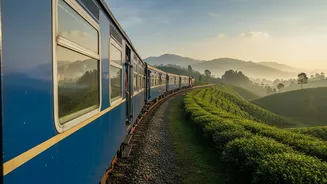
five-star hotel experience on wheels. However, the high price tags of journeys on trains like the Maharajas' Express, which can run into many lakhs of rupees, have kept them an exclusive dream for most. Recognising a gap in the market, operators are now reimagining the heritage rail journey. The focus is shifting towards preserving the grandeur and nostalgia of rail travel while making it more accessible to a wider audience, including domestic tourists and younger travellers who value unique experiences but have practical budget and time constraints.
Defining the 'Budget Luxury' Model
The term 'budget luxury' might sound like a contradiction, but it represents a clever recalibration of the luxury rail product. Instead of week-long, all-inclusive odysseys, operators are introducing shorter, more flexible itineraries. A key example is the Golden Chariot, which is operated by the Karnataka State Tourism Development Corporation (KSTDC) and IRCTC. Alongside its traditional 6-night/7-day tours, it now offers a 'Glimpses of Karnataka' package, a shorter 3-night/4-day journey. This brings the starting price down significantly, making the dream of a luxury rail trip a tangible possibility for more people. This model doesn't skimp on core luxuries like plush cabins, fine dining, and guided excursions but makes the overall package more affordable by reducing the duration.
Spotlight on Accessible Opulence
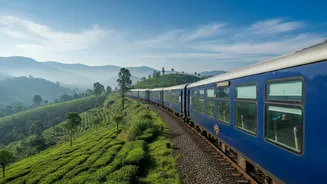
The Golden Chariot is South India's only luxury train, exploring stunning destinations across Karnataka, Goa, Kerala, and Tamil Nadu that other luxury trains don't cover. While still a premium product, its shorter itineraries provide a more accessible entry point into luxury rail travel. For a 3-night journey, prices can start from around ₹1,82,930, a fraction of the cost of longer trips on other premier trains. These packages still include accommodation in well-appointed cabins, all meals in ornate dining cars like 'Ruchi' and 'Nalapaka', off-board sightseeing in air-conditioned coaches, and entrance fees to monuments. This allows travellers to experience the core elements of a royal journey—history, comfort, and impeccable service—within a more condensed timeframe and at a lower price point.
Modernising the Heritage Experience
Modernisation goes beyond just pricing and itineraries. To appeal to today's traveller, heritage rail journeys are being updated with contemporary amenities and digital-first marketing. The revamped Golden Chariot, for instance, features cabins with smart TVs and Wi-Fi, addressing the modern need for connectivity. Onboard, guests can find a spa and fitness centre, blending old-world charm with modern wellness trends. Booking has also been simplified, with online portals and clear information on inclusions and exclusions. Promotional offers and early-bird discounts are now common, aligning the marketing of these heritage products with contemporary travel industry practices and attracting a digitally-savvy clientele.
The Future of Indian Rail Tourism
This strategic shift towards more accessible luxury is vital for the future of heritage tourism in India. By creating tiered offerings, Indian Railways and its partners are not only generating new revenue streams but also ensuring the preservation of these magnificent trains for future generations. This approach democratises luxury travel, allowing a broader segment of the population to connect with their country's rich history and culture. It also promotes tourism in lesser-known regions by making them part of curated, comfortable, and safe travel circuits. As this trend continues, heritage rail journeys are poised to become a central pillar of India's tourism strategy, celebrating the past while steaming confidently into the future.