





More Than a Game, It's a Social Hub
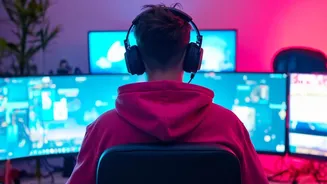
For many young Indians, gaming is not about solitary screen time; it's the new social infrastructure. Where previous generations met at a café or a cricket pitch, Gen Z connects in the lobbies of games like Battlegrounds Mobile India (BGMI) or during
a live stream. These digital spaces offer a powerful sense of community and belonging. Games are designed to be social, immersive experiences that allow players to team up, communicate via voice chat, and build friendships with people from across the country. This social connection is a primary reason Gen Z is so drawn to gaming, providing a vital sense of community in an increasingly digital world.
The New Era of Celebrity
Forget movie stars and pop singers; for many in Gen Z, the real idols are gaming creators. Streamers who broadcast their gameplay on platforms like YouTube, Loco, and Rooter have become massive celebrities in their own right. These creators are seen as more relatable and authentic than traditional celebrities. They interact with their audience in real-time, share personal stories, and build a dedicated community that feels more like a group of friends. This direct connection fosters a deep sense of loyalty and makes creators highly influential, shaping everything from what games to play to what products to buy.
From Passion to Profession
What was once dismissed as a hobby is now a viable and lucrative career path. The Indian gaming industry has exploded, creating numerous opportunities in esports, content creation, and game development. A significant portion of Gen Z gamers now view gaming as a potential profession. Top streamers and esports athletes can earn substantial incomes through prize money, sponsorships, brand deals, and advertising revenue. This has legitimised gaming in the eyes of many young people and their families, representing a shift away from traditional career paths toward skill-based, creative, and entrepreneurial roles.
Interactive, Not Passive, Entertainment
Watching a game stream is fundamentally different from watching a movie or a TV show. It's an active, participatory experience. Viewers don't just watch; they engage. They use live chat to talk to the creator and each other, influence the gameplay with comments, and support their favourite streamers through donations. This interactive element makes streaming far more engaging than passive media consumption. Creators are not just players; they are entertainers, commentators, and community managers all at once, constantly reacting to both the game and their audience. This two-way street of communication is precisely what makes it so compelling for a generation that values engagement and self-expression.