




Understanding September's Weather
September marks the tail end of the monsoon season across much of India. While the intense, continuous downpours of July and August subside, travellers should still expect variable conditions. The month is generally characterised by a mix of sunny spells
and brief, sometimes intense, rain showers. Humidity remains high, with average temperatures sitting between 25°C and 32°C in many regions. The official withdrawal of the monsoon typically begins from the northwestern parts of the country around the middle of the month. However, this doesn't mean the entire country is dry; southern and eastern regions can still experience significant rainfall.
Best Bets: North and West India
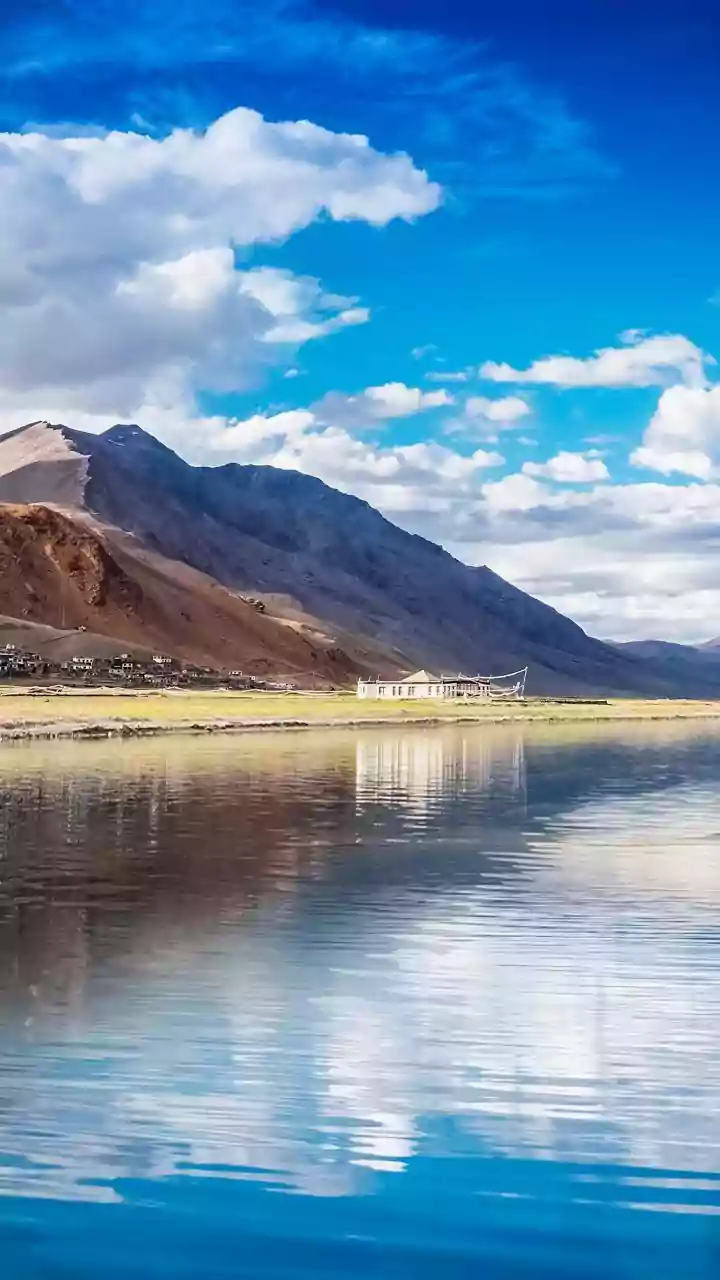
For those seeking sunshine and clearer skies, North India is a strong option. In states like Rajasthan and in the Golden Triangle cities of Delhi, Agra, and Jaipur, the monsoon has largely receded by September. This leaves behind a green, refreshed landscape without the intense summer heat or peak winter crowds. It's an excellent time for sightseeing at major attractions like the Taj Mahal, which will be relatively quiet. In the Himalayas, September is a golden window for adventure. With the heaviest rains over, trekking routes and high-altitude roads in places like Ladakh and Spiti Valley become more accessible, offering stunning views of the snow-capped peaks before winter sets in. Adventure activities like white-water rafting in Rishikesh also typically resume around mid-September after a monsoon-enforced break.
Proceed with Caution: South and East India
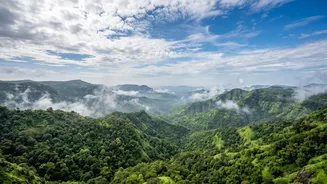
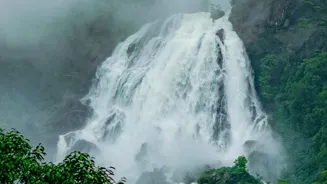
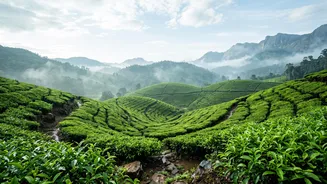
While the monsoon is withdrawing from the north, it can linger in the south and east. States like Kerala, Goa, and parts of Maharashtra may still receive sporadic, heavy showers. While this means the landscapes are incredibly lush and waterfalls are at their peak, it requires flexible planning. In Kerala, September is the time for the Onam harvest festival, offering a vibrant cultural experience amidst the greenery. The backwaters are beautiful and rejuvenated after the rains. In the east and northeast, rainfall can remain significant. While this is the perfect time to see the blooming Ziro Valley in Arunachal Pradesh, travel in these regions requires careful monitoring of weather reports and road conditions.
Your Essential September Packing List
Given the mixed weather, smart packing is key. Opt for lightweight, breathable fabrics like cotton and linen that are comfortable in humid conditions. Quick-dry clothing is your best friend. Even though the monsoon is ending, a reliable waterproof jacket and a sturdy umbrella are non-negotiable. When it comes to footwear, choose waterproof sandals or floaters over shoes that will take a long time to dry. For mountain travel, waterproof hiking shoes are essential. Don't forget insect repellent, as the post-monsoon period can see an increase in mosquitoes. Finally, if you plan to visit religious sites, pack modest clothing that covers your shoulders and knees.
Safety on the Roads
If you are planning a road trip, extra caution is needed. Post-monsoon roads can be in poor condition, with potholes and a higher risk of landslides, especially in hilly areas. Always check local weather forecasts and road status before you set out. When driving in rain, reduce your speed significantly, as wet roads offer less grip and increase braking distances. Use your low-beam headlights to improve visibility for yourself and others; high beams can reflect off raindrops and worsen visibility. If you encounter a waterlogged road, it's wisest not to risk driving through it. If you absolutely must, assess the depth and proceed slowly in a low gear to prevent water from entering the exhaust. Never attempt to restart a car that has stalled in water, as this can cause catastrophic engine damage.