








The Rise of a Conscious Choice
Walk into any upscale gym or health-focused cafe in Mumbai, Bengaluru, or Delhi, and you'll notice a shift in the blenders. The post-workout smoothie, once a staple of whey protein and dairy milk, is getting a plant-powered makeover. Urban fitness enthusiasts,
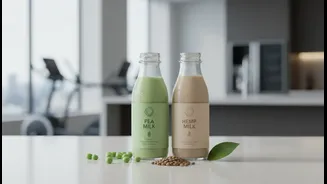
a demographic known for meticulously tracking macros and optimising performance, are now adding another variable to their calculations: environmental impact. This has led to the growing popularity of pea and hemp milks, alternatives that sit at the intersection of high-performance nutrition and ecological responsibility. This isn't just about avoiding lactose; it's a conscious decision to fuel the body while respecting the planet, a mindset that resonates deeply with a generation navigating both personal wellness goals and global climate concerns.
A Lighter Footprint on the Planet
The environmental credentials of pea and hemp milk are central to their appeal. Compared to traditional dairy, the difference is stark. Producing cow's milk is resource-intensive, requiring vast amounts of land and water, and generating significant greenhouse gas emissions. Plant-based milks, as a category, have a much smaller footprint. But even within this category, some are more sustainable than others. Almond milk, a popular first-wave alternative, has faced scrutiny for its high water consumption, particularly in water-stressed growing regions. This is where pea and hemp shine. Peas are nitrogen-fixing crops, meaning they enrich the soil and reduce the need for artificial fertilisers. They also require significantly less water than almonds and dairy. Similarly, hemp is a resilient crop that improves soil health, needs few pesticides, and uses less water than almonds. For the eco-conscious athlete, choosing pea or hemp milk transforms a simple dietary swap into a meaningful act of sustainability.
Powering Performance with Plant Protein
Beyond their green benefits, pea and hemp milks deliver the nutritional punch that fitness enthusiasts demand. Pea milk, in particular, is a protein powerhouse, offering around eight grams of protein per cup—an amount comparable to dairy milk and far superior to almond or rice milk. This protein is rich in branched-chain amino acids (BCAAs), which are crucial for muscle repair and growth, making it an ideal post-workout recovery drink. Some research has even suggested that pea protein provides benefits similar to dairy milk for improving strength and body composition in athletes. Hemp milk, while having slightly less protein, brings its own unique advantages. It's considered a complete protein, containing all nine essential amino acids, and is rich in healthy omega-3 and omega-6 fatty acids. These fats are known to help reduce inflammation, which can aid in faster recovery and support overall cardiovascular health—a key aspect of long-term fitness.
The New Mainstream in Urban India
This trend is being bolstered by increasing availability and a growing market in India. The Indian plant-based milk market is expanding rapidly, driven by rising health consciousness, a high prevalence of lactose intolerance, and the adoption of vegan lifestyles. While still a niche compared to soy or almond, pea milk is one of the fastest-growing segments. Brands, both international and domestic, are tapping into this demand, making these products more accessible than ever in major urban centres. They are appearing on supermarket shelves and, crucially, on the menus of gyms and cafes that cater to the fitness community. This visibility helps normalise the choice, moving it from a niche health-food-store item to a mainstream option for anyone looking for a high-protein, allergen-free, and sustainable milk alternative. As athletes and influencers share their positive experiences with recovery and performance after switching, the appeal continues to grow.