








A New Gateway to the Roof of the World
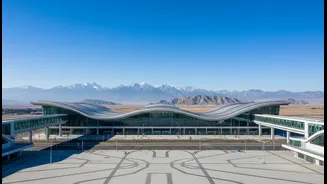
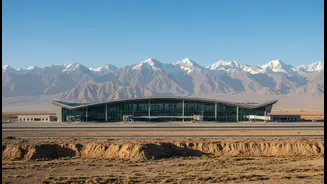
The centrepiece of the expansion is a new, state-of-the-art terminal building. According to the Civil Aviation Minister, physical construction is 83% complete as of early July 2026. This modern, three-level facility is a significant upgrade from the current,
often congested terminal. Designed to handle 3.5 million passengers annually — a huge jump from the previous capacity — the new terminal will transform the arrival and departure experience. It will feature 20 check-in counters, an advanced baggage handling system, multiple arrival carousels, and three aerobridges to protect passengers from the harsh weather, a welcome change at one of the world's highest commercial airports.
Tripling Capacity for a Tourism Boom
The primary goal of the expansion is to ease the bottleneck that has long constrained travel to Ladakh. The new terminal and additional aircraft bays will allow the airport to handle up to 54 flights a day, a threefold increase from the current capacity of around 18 flights. This boost is crucial for a region heavily reliant on tourism. In recent years, flight operations have already increased to meet demand during peak season. The expanded airport will provide much-needed breathing room, reducing delays and making travel to Leh more reliable, especially during the busy summer months. This enhanced connectivity is expected to fuel significant growth for local hotels, tour operators, and the wider economy.
A Landmark in Sustainable Aviation
Beyond just size, the new terminal is a pioneer in sustainable design. It is set to be India's first airport to run on a combination of geothermal and solar power. A large-scale geothermal system will provide heating and cooling for the building—a first for any airport in the country and a critical feature in a region with extreme temperatures. This, combined with a large rooftop solar power system, aligns with the vision of making Ladakh a carbon-neutral territory. The architecture also pays homage to the region's unique heritage, incorporating local Buddhist design elements like prayer wheels and stupas to give visitors an authentic welcome.
Strategic Importance and All-Weather Access
Leh's airport is not just a tourist gateway; it's a vital lifeline for the local population and a strategic asset for the Indian Air Force. The expansion enhances this dual role. The increased capacity and improved infrastructure, including a recently completed parallel taxi track, bolster the airfield's operational efficiency for both civilian and military movements. By enabling more reliable, year-round flight operations, the upgraded airport solidifies Ladakh's connection to the rest of the country, which is especially critical during winter when road access is often cut off. This ensures a steady flow of supplies, personnel, and services, reinforcing the region's resilience and security.