







The Mistake: Distracted Dining
The single most common mealtime mistake is not what you eat, but how you eat it. It's the act of distracted dining: eating while your attention is elsewhere. [4, 5] This includes having lunch at your desk, eating dinner in front of the television, or
scrolling through your phone while grabbing a bite. [2, 12] While it feels like a productive use of time, this habit disconnects your brain from your body's vital signals, turning a nourishing act into an unconscious, automatic process. We live in a world full of demands, from work obligations to the constant ping of our phones, and in this rush, our eating habits often become a casualty. [1] Many of us eat on autopilot, grabbing snacks while working or eating meals in the car, which can feel unsatisfying and lead to health issues. [4]
Why Your Brain and Body Suffer
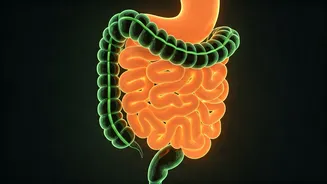
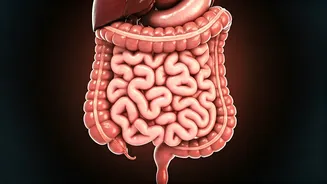
When your brain is focused on a task other than eating, it doesn't properly register the food you're consuming. This has several negative consequences. Firstly, it impairs digestion. The digestive process actually begins when you see and smell your food, which triggers important biochemical responses. [9, 24] Distraction interferes with this, leading to reduced digestive enzyme secretion, which can cause bloating, gas, and poor nutrient absorption. [9, 14] Secondly, distracted eating consistently leads to overeating. Your brain takes about 20 minutes to receive satiety signals—the feeling of fullness. [8] When you eat quickly and without focus, you can easily consume far more calories than you need before that signal ever arrives. [8, 12] Studies show that people who are distracted during meals not only eat more at that sitting but are also more likely to snack more later in the day because their brain has a poor memory of the meal. [7, 8, 15]
The Science of Satiety and Focus
The opposite of distracted eating is mindful eating: paying full attention to the experience of your meal. [1] This practice is rooted in mindfulness, a technique that focuses on present-moment awareness without judgment. [2] When you eat mindfully, you engage your senses, noticing the flavours, textures, and smells of your food. [5] This strengthens the gut-brain connection. Hormones that regulate appetite, like ghrelin (the hunger hormone) and leptin (the fullness hormone), can communicate with the brain more effectively. [10] When your brain accurately processes these signals, you're better able to recognise true physical hunger from emotional triggers like stress or boredom. [3, 4] This creates a crucial pause, allowing you to respond to your body's needs wisely rather than reacting automatically, which can reduce overeating and improve your relationship with food. [4]
Simple Steps to Reclaim Your Mealtimes
Breaking the habit of distracted eating doesn't require a complete life overhaul. Small, consistent changes can make a significant difference. Start by designating a specific place for meals that isn't your desk or the sofa in front of the TV. Step away from your workspace for lunch, even if it's just for 15-20 minutes. [12] Put your phone away or turn it on silent. Focus on the food on your plate. Chew slowly and deliberately, putting your utensils down between bites. [22] This not only improves digestion by breaking down food properly but also gives your brain the time it needs to register fullness. [17, 24] Try to engage in pleasant conversation if you're eating with others. [5] Making mealtimes an intentional and enjoyable part of your day can improve digestion, help manage weight, and allow you to truly savour your food. [1, 3]