


The Bitterness Battle in Hot Tea
The classic method for making iced tea—brewing it hot and then rapidly cooling it over ice—is fast, but it often comes with a trade-off: bitterness. That sharp, astringent taste that makes your mouth feel dry is caused by compounds called tannins and catechins.
When you douse tea leaves in hot water, you’re kickstarting a very aggressive extraction process. Heat is highly effective at pulling everything out of the leaf at once: the delicate aromatic oils, the caffeine, and, yes, those bitter tannins. While tannins are a type of antioxidant, they are more soluble at higher temperatures, meaning hot water releases them in large quantities. When this hot, tannin-rich brew is shock-chilled, the compounds can fall out of suspension, sometimes creating a cloudy appearance and a harsh flavor that sends you reaching for sugar or lemon to mask it.
How Cold Water Changes the Chemistry
Cold brewing flips the script entirely by using time, not temperature, as its main tool. Steeping tea leaves in cold or room-temperature water is a much gentler and more selective process. Think of it as persuasion rather than force. Cold water molecules move more slowly than their heated counterparts, meaning they lack the thermal energy to violently strip compounds from the leaves. Instead, they slowly coax out the more delicate, water-soluble molecules first. These include the amino acids (like L-theanine, which promotes a feeling of calm focus) and the aromatic compounds that give tea its floral and fruity notes. The larger, more complex molecules responsible for bitterness, primarily tannins, are far less soluble in cold water. They are largely left behind in the leaf, resulting in a brew that is fundamentally smoother and naturally sweeter.
Why Nilgiri Is the Cold-Brew Champion
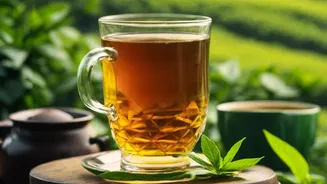
While you can cold brew almost any tea, some are uniquely suited for the method. Enter Nilgiri tea, from the Blue Mountains of Southern India. Often overshadowed by its more famous Indian cousins, Assam and Darjeeling, Nilgiri tea has a flavor profile that makes it a star performer in a cold brew. It is naturally lower in tannins than many other black teas, which gives it a head start in the smoothness department. Its characteristic flavor is brisk, aromatic, and bright, with inherent floral and citrusy notes. These delicate flavors, which can sometimes be lost or overpowered in a hot brew, are perfectly preserved and highlighted through slow, cold extraction. Furthermore, Nilgiri tea has the unique quality of remaining exceptionally clear when chilled, avoiding the cloudiness that can plague other black teas and resulting in a beautiful, brilliantly golden drink.
The Low-Sugar Payoff
The real magic of cold-brewed Nilgiri tea lies in the final taste. Because the process minimizes bitterness and maximizes the tea's inherent aromatic sweetness, the resulting drink is remarkably mellow and flavorful all on its own. Many people who try it find they don't need to add any sugar, honey, or other sweeteners at all. The goal is no longer to cover up harshness but to simply enjoy the clean, nuanced flavor of the tea itself. This makes it an excellent choice for anyone looking to reduce their sugar intake without sacrificing flavor. The drink isn't technically "low-sugar”—unsweetened tea has no sugar to begin with—but the brewing method creates a final product so palatable and smooth that it eliminates the desire to add sugar, making your finished glass a truly healthier, more refreshing beverage.