
The Overcrowded Kyoto Experience
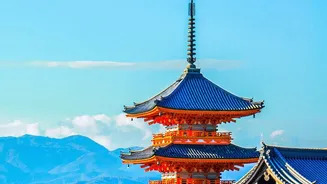
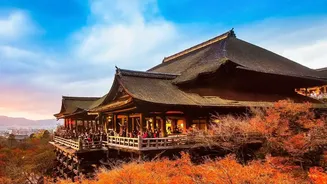
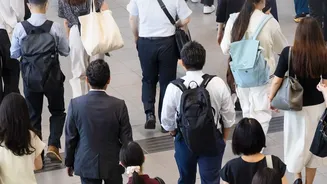
Kyoto is the cultural heart of Japan, home to an incredible concentration of temples, gardens, and historic districts. However, its popularity is also its biggest challenge. With millions of visitors each year, marquee sites like the Gion district, Kiyomizu-dera
Temple, and Fushimi Inari Shrine can feel impossibly congested, especially during peak seasons. The serene, contemplative experience many travelers seek is often replaced by a reality of shuffling through crowds, which can detract from the city's profound beauty. The problem is so focused that most of the city's crowding is concentrated in just a half-dozen famous spots.
Instead, Try: Kanazawa, the 'Little Kyoto'
For a similar blend of history and artistry without the overwhelming tourist numbers, consider Kanazawa. Often called 'Little Kyoto', this city on the Sea of Japan coast offers a rich cultural experience that is arguably just as rewarding. Kanazawa boasts Kenrokuen, one of Japan's 'three great gardens', as well as beautifully preserved geisha and samurai districts. The Higashi Chaya district, with its traditional wooden teahouses, provides the historic atmosphere of Gion but with a more relaxed feel. Add in a world-class contemporary art museum and a thriving food market known for its fresh seafood, and Kanazawa presents itself as a formidable and more peaceful alternative for culture lovers.
The Arashiyama Bamboo Grove Photo-Op
The photos are breathtaking: a path winding through a dense forest of towering green bamboo stalks, with ethereal light filtering through. The reality of the Arashiyama Bamboo Grove in Kyoto, however, is often a short, crowded path packed with people jostling for the perfect Instagram shot. The magical, peaceful stroll many imagine can be an underwhelming experience that lasts only a few minutes. While undeniably beautiful, the grove's immense popularity often shatters the serene atmosphere it promises, leaving many visitors disappointed.
Instead, Try: Adashino Nenbutsu-ji or Take-no-Michi
For a more tranquil bamboo experience, you have several excellent options right near Kyoto. Adashino Nenbutsu-ji, a temple just a 20-minute walk from the main grove, features its own smaller, yet beautiful and densely packed bamboo grove on its grounds. It also houses thousands of stone statues, creating a profoundly moving atmosphere far from the crowds. Another fantastic choice is Take-no-Michi, a 1.8-kilometer-long bamboo path in Muko City, just outside Kyoto. This dedicated walking trail offers a much more immersive and extended stroll, allowing you to enjoy the rustling bamboo without feeling rushed, making it a superior choice for those who want the experience without the theme-park feel.
The Tokyo Skytree View
As the tallest structure in Japan, the Tokyo Skytree offers undeniably spectacular, high-altitude views of the sprawling metropolis from its 350-meter and 450-meter observation decks. However, that premium experience comes with a premium price tag and, often, long queues. While the height is impressive, some find the view so high that the city below can look like a flat map, and getting clear photos can be difficult due to reflections on the glass. For travelers on a budget or those short on time, dedicating a significant portion of their day and funds to this one view might not be the most efficient choice.
Instead, Try: Tokyo Metropolitan Government Building
For a fantastic—and completely free—alternative, head to the Tokyo Metropolitan Government Building in Shinjuku. Its twin observation decks, located 202 meters up, offer sweeping panoramic views of the city that are genuinely comparable to the Skytree for most visitors. On a clear day, you can even see Mount Fuji. While not as tall as the Skytree, the view from this height feels more connected to the city's skyline. With shorter queues and zero cost, it delivers incredible value and allows you to enjoy a stunning Tokyo panorama while saving your money for other experiences.