






The Great Indian Staycation Boom
Recent survey data from the Allianz Partners Global Travel Confidence Index for 2026 confirms a powerful trend: India has become the top global market for domestic travel intent, with 60% of travellers planning to holiday within the country. This figure
stands well above the global average of 42%, indicating a unique and robust domestic focus. This preference isn't just a fleeting trend; it's a structural shift influenced by several factors. Economic considerations play a major role, with many travellers opting for more affordable and value-for-money experiences closer to home amid rising global travel costs. Beyond budgets, there's a growing cultural curiosity. Reports indicate that a vast majority of Indian travellers are choosing domestic trips to explore the nation's rich heritage, diverse festivals, and unique culinary trails. This inward-looking gaze is transforming tourism from a simple vacation into a lifestyle priority centered on discovering India's own treasures.
Connecting the Dots: Why Regional Transport is Crucial
This boom in domestic travel places a direct spotlight on the country's regional transport networks. With more people venturing beyond the major metropolitan hubs into Tier-2 and Tier-3 cities, the demand for efficient, reliable, and accessible last-mile connectivity has surged. The days of relying solely on trunk routes between mega-cities are over. Today’s traveller wants to reach a heritage site in a smaller town, a wellness retreat in the hills, or a coastal village with ease. This puts immense pressure on existing rail, road, and air networks. Road transport, which accounts for the vast majority of passenger movement, becomes particularly critical. The success of this domestic tourism wave hinges on the ability of regional infrastructure to keep pace, making the tracking and development of these transport systems more important than ever.
Railways and Aviation: Answering the Call
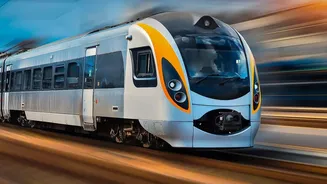
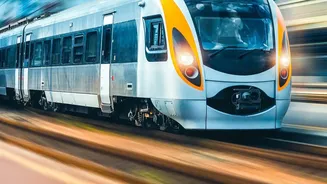
India’s transport authorities are actively responding to this shift. Indian Railways is aggressively expanding its Vande Bharat Express network, which has already connected hundreds of districts with semi-high-speed services. The introduction of Vande Bharat Sleeper trains in 2026 is set to further revolutionize long-distance and overnight travel, connecting regions like the East and Northeast more effectively. In the skies, the UDAN (Ude Desh ka Aam Nagrik) scheme is a key driver of regional air connectivity. Since its inception, the scheme has operationalised hundreds of routes, connecting nearly 100 airports, heliports, and water aerodromes, and has flown over 1.68 crore passengers. A newly modified UDAN scheme, with a significant budget outlay, aims to build 100 new airports and 200 modern helipads, further strengthening the aviation ecosystem in underserved areas.
The Road Ahead: Data-Driven Development
While progress is being made, the journey is far from over. The massive expansion of the national highway network under programs like Bharatmala Pariyojana has drastically improved road connectivity, growing the network by over 60% in the last decade. However, the surge in domestic travel demands more than just building infrastructure; it requires smart, data-driven planning. Tracking passenger flow, identifying popular but underserved routes, monitoring travel times, and understanding evolving travel patterns are essential. This data allows planners to make informed decisions, ensuring that investments in new rail lines, airports, and highways are directed where they are needed most. By analysing where the 60% of domestic travellers are going—and where they want to go next—India can build a transport network that not only supports but also stimulates further economic growth and regional development.