




The Rise of the Instagram Interior
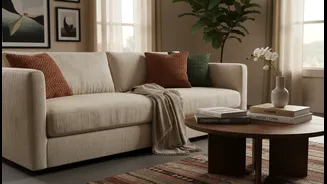
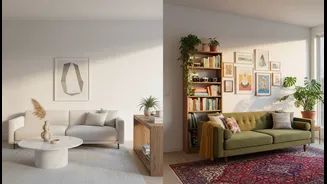
The past decade was dominated by a specific look: think shades of grey, clean white lines, and a stark lack of personal clutter. Driven by social media platforms like Instagram and Pinterest, this minimalist aesthetic promised a calm, orderly life. It
was easy to replicate, photographed beautifully, and was promoted by a booming market of fast-furniture retailers. This design philosophy, rooted in the idea that “less is more,” aimed to create a tranquil escape from a chaotic world by eliminating anything deemed superfluous. The result was a generation of homes that were visually clean and universally appealing but often felt more like a catalogue spread or a hotel lobby than a personal sanctuary. This approach prized a curated, almost monastic simplicity, sometimes at the expense of warmth and individuality.
A Backlash Against Bland
The problem with perfection is that it’s often impersonal and hard to live in. Homeowners and designers are beginning to express fatigue with these “safe” interiors that feel more like waiting rooms than lived-in spaces. Critics argue that the relentless pursuit of the flawless, algorithm-approved look has led to a flattening of culture, where spaces in different cities and countries begin to look indistinguishable. After extended periods spent at home, many people are realizing that these sterile environments lack the character, comfort, and emotional connection that make a house a home. The desire for a space that reflects a unique story is growing, sparking a rebellion against the formulaic designs that have become so predictable.
Enter Dopamine Decor and Maximalism
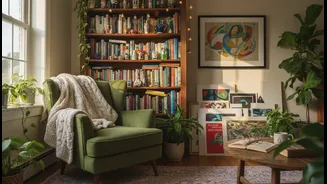
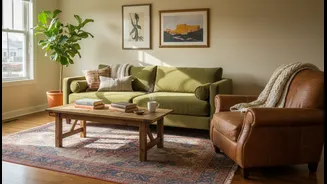
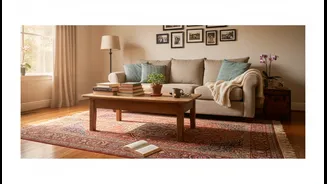
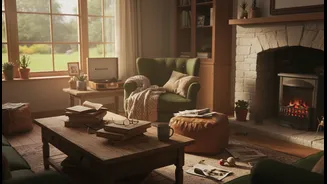
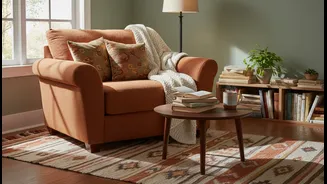
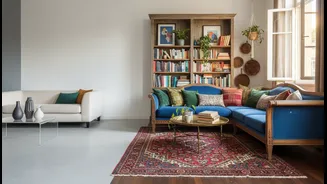
The pendulum is now swinging toward expression and personality. One of the most significant counter-trends is “dopamine decor,” the practice of using colour, pattern, and texture to create a joyful environment that genuinely boosts your mood. This isn't about creating clutter, but about curating a space with meaningful objects, sentimental items, and vibrant hues that spark happiness. It’s a move away from decorating for resale value or for an imaginary audience, and toward designing for personal well-being. This often overlaps with maximalism, which embraces a “more-is-more” philosophy through layered patterns, rich textures like velvet and rattan, sculptural furniture, and eclectic collections that tell a story. The goal is to create a home that feels authored and alive.
Your Home, Your Story
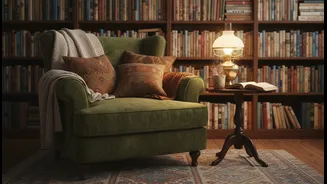
This shift is about more than just aesthetics; it reflects a broader cultural desire for authenticity. People are craving spaces that feel collected over time, not ordered from a single catalogue. There is a renewed appreciation for vintage and secondhand finds, which bring history and individuality into a home. This approach also aligns with a growing interest in sustainability. Beyond trends, the core idea is that a home should be a reflection of the people who live in it. It’s about having the confidence to display quirky art, mix historical eras, and choose colours that make you happy, regardless of what’s popular online. The most memorable spaces are those that have a point of view and are filled with personal narratives.