





The High-Heat Conundrum in Indian Cooking
From the sharp crackle of a tadka to the sizzle of deep-frying, high-heat cooking is central to Indian cuisine. The choice of fat isn't just about taste; it's about stability. When an oil or fat is heated past its 'smoke point', it begins to break down,
losing nutrients and creating potentially harmful compounds. This chemical breakdown not only imparts a bitter taste but also degrades the very nutrients we seek from our food. Therefore, selecting a fat that can withstand the high temperatures of a kadhai is crucial for both flavour and health.
Ghee: The Golden Standard of Stability
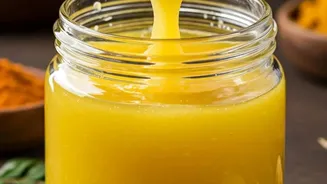
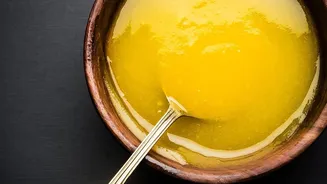
Ghee, or clarified butter, has been a cornerstone of Indian cooking for centuries for a good reason. By removing milk solids and water, the clarification process creates pure butterfat with an impressively high smoke point, typically around 250°C. This makes it exceptionally stable for high-heat methods like deep-frying and searing. Modern variations include infused ghee, where herbs and spices are steeped into the fat. This not only adds layers of flavour but can also enhance its therapeutic properties. According to Ayurveda, ghee acts as an excellent carrier for the nutrients in herbs, potentially making compounds like curcumin in turmeric more bioavailable. Nutritionally, ghee is a source of fat-soluble vitamins like A, E, and K, and contains butyrate, a short-chain fatty acid known to support gut health.
The Rise of Cold-Pressed Oils
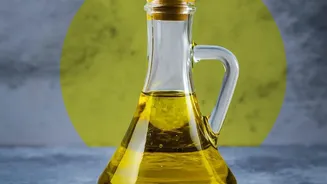
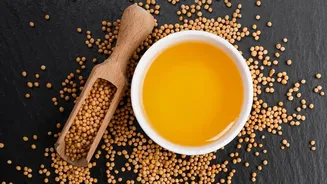
Cold-pressed oils are extracted using mechanical pressure without high heat, preserving their natural nutrients, antioxidants, and flavour. This gentle process is why oils like groundnut, mustard, and sesame have seen a resurgence in health-conscious urban kitchens. However, not all cold-pressed oils are created equal when it comes to heat. Their stability depends heavily on their fatty acid composition and specific smoke point. For instance, cold-pressed mustard oil has a very high smoke point (around 250°C), making it suitable for deep-frying, while cold-pressed coconut oil is better for medium-heat sautéing (around 177°C). Extra virgin olive oil, with its low smoke point of about 160°C, is best reserved for dressings and low-heat cooking.
Nutrient Retention: The Showdown
When it comes to retaining nutrients at high heat, the winner is the fat that remains most stable. Ghee's high saturated and monounsaturated fat content makes it very resistant to oxidation. Cold-pressed oils rich in polyunsaturated fatty acids (PUFAs), like sunflower oil, are more prone to breaking down under high heat, which can destroy their beneficial compounds. However, cold-pressed oils with high smoke points and a good profile of monounsaturated fats, such as groundnut and mustard oil, perform remarkably well. In fact, some chefs and nutritionists argue for a combination approach, using different oils for different tasks to get a balanced intake of fatty acids. The antioxidants naturally present in cold-pressed oils offer some protection against heat degradation, but only up to their smoke point. Beyond that, the nutrients are compromised.
What Urban Chefs and Nutritionists Advise
The professional consensus isn't about crowning a single winner but about smart application. Many chefs are returning to ghee for high-heat cooking, valuing its stability and flavour-enhancing properties over refined oils that can break down easily. Ghee is prized for tadkas and biryanis where its nutty aroma is essential. Simultaneously, cold-pressed oils are celebrated for their unique regional flavours and nutrient profiles. Nutritionists often recommend using cold-pressed mustard or groundnut oil for everyday cooking and deep-frying, while reserving ghee as a finishing fat for flavour and its digestive benefits. The key advice is to avoid heating any oil past its smoke point and to use a variety of fats in moderation. Infused ghee is seen as a value-add, bringing targeted herbal benefits, but the base stability of the ghee remains the primary reason for its use at high temperatures.