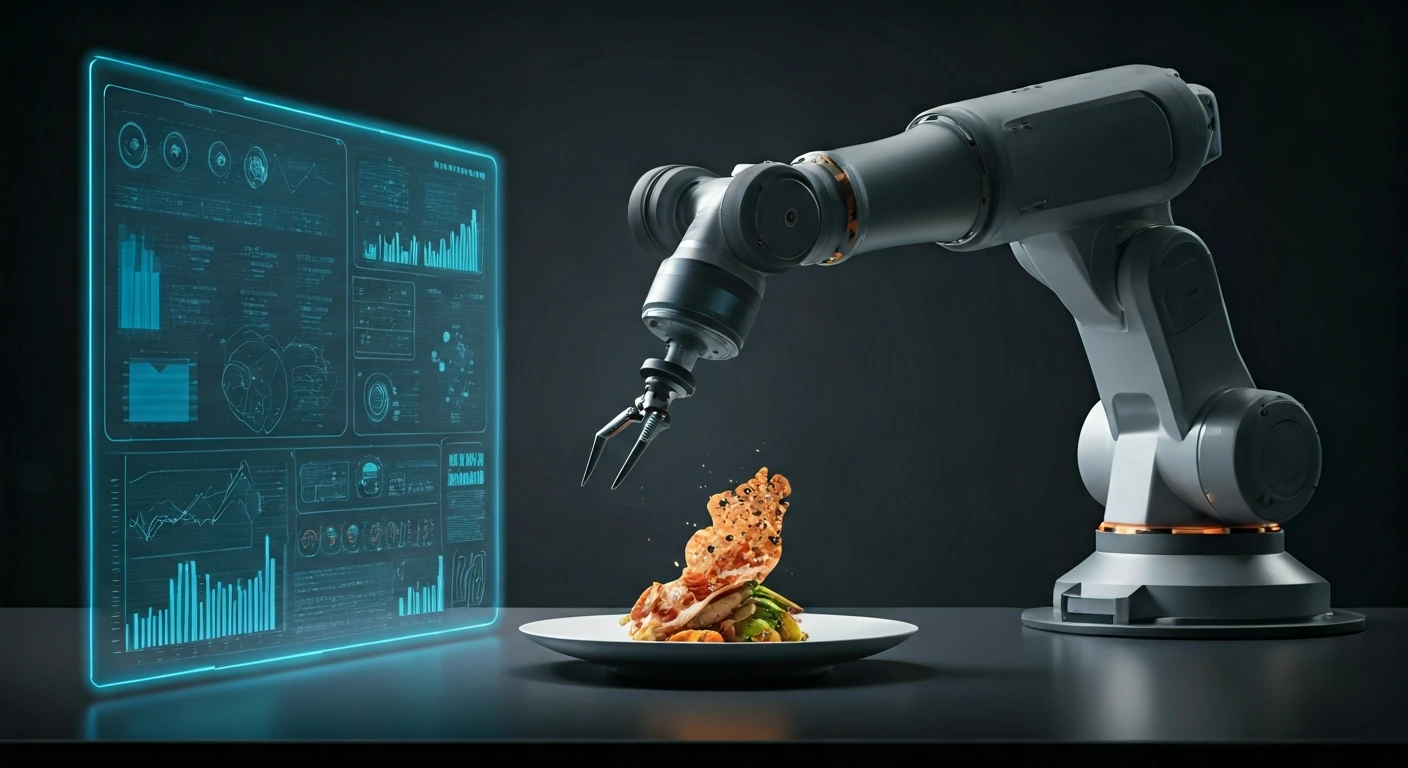










The End of the Dinner Dilemma?
For generations, meal planning involved cookbooks, handwritten lists, and a fair bit of guesswork. Today, that entire process is being outsourced to artificial intelligence. A new wave of smart applications and AI-driven platforms are transforming meal planning from
a weekly chore into a streamlined, automated process. These 'digital chefs' promise to save time, reduce food waste, and eliminate the dreaded decision fatigue that often leads to unhealthy takeout orders. For busy professionals and families in India, where diverse culinary traditions meet modern time constraints, these tools are finding a particularly eager audience.
How the New Food Matrix Works
At its core, algorithmic menu planning is about hyper-personalization. Apps like HealthifyMe, DishGen, and ChefGPT use AI and machine learning to function as a virtual nutritionist. Users input a wide range of data points: dietary preferences (vegetarian, Jain, keto), health goals (weight loss, muscle gain), allergies, budget, and even their current cooking skill level. Some advanced systems connect to smart refrigerators to see what ingredients you already have, or use image recognition to log the meals you eat. The algorithm then processes this information, cross-referencing vast databases of recipes and nutritional data to generate a customized weekly meal plan, complete with recipes and an automated grocery list.
The Perks of Algorithmic Assistance
The benefits are compelling. The most obvious is the time saved on planning and list-making. By suggesting recipes that use ingredients already in your pantry, these apps can significantly reduce food waste and lower grocery bills. They can also introduce variety into a monotonous diet, suggesting new dishes that still fit within your preferences. For those with specific health goals, the ability to automatically track calories and macronutrients provides a level of precision that is difficult to achieve manually. In India, apps like PlanNEat and Namak are specifically designed to understand regional cuisines and household dynamics, planning balanced meals around familiar staples like dal, roti, and sabzi.
The Hidden Costs of Convenience
However, relying on an algorithm for every meal isn't without its drawbacks. A significant concern is the potential loss of culinary spontaneity and skill. If an app makes every decision, do we lose the joy of discovering a recipe or improvising a meal? There's also the risk of creating a 'personalization trap,' where the algorithm only shows you what it thinks you'll like, narrowing your culinary horizons over time. Many of the most powerful features are also locked behind subscription paywalls, which can be a recurring expense. Finally, as with any app that collects personal data, users must trust that their sensitive health information and dietary habits are being handled securely.
Finding the Human-AI Balance
The most effective way to use these new tools may be as a collaborator, not a commander. An AI meal planner can be an excellent starting point, handling the heavy lifting of nutritional calculations and generating a baseline plan for the week. From there, you can make your own swaps, add a family-favourite dish, or decide to experiment on a whim. The technology serves as a sophisticated assistant, freeing up your mental energy to focus on the more creative and enjoyable aspects of cooking. It's not about replacing the human touch in the kitchen, but augmenting it with the power of data.