



The Key to Fenugreek: Taming the Bitterness
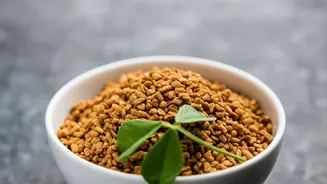
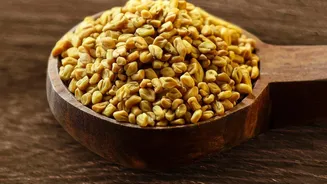
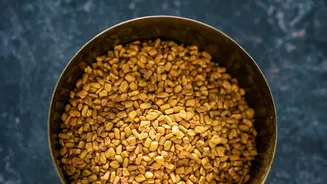
Raw fenugreek seeds have a pronounced bitterness that can be overpowering. The secret to unlocking their wonderful, nutty, and slightly sweet maple-like aroma lies in how you cook them. A little goes a long way, and a few seconds in hot oil or a gentle
dry roast is all it takes to transform them. This process, known as tempering or 'tadka', mellows the bitterness and infuses the entire dish with a warm, complex depth. You can also soak the seeds overnight to soften their flavour before adding them to batters or pastes. Once you understand this principle, you can confidently use fenugreek to build incredible flavour.
1. Panch Phoron: The Five-Spice Wonder of Bengal
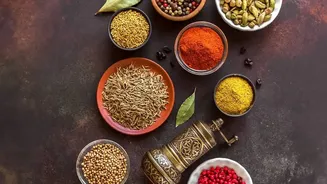
Panch Phoron, which literally means 'five spices', is a whole-seed blend essential to Eastern Indian, particularly Bengali, cuisine. It consists of fenugreek, cumin, nigella, black mustard, and fennel seeds, typically in equal parts. Unlike most spice mixes, Panch Phoron is used whole, not ground. The seeds are sizzled in hot oil or ghee at the beginning of cooking, releasing their individual aromas. The fenugreek provides a subtle bitter anchor that balances the sweet anise notes of fennel and the earthy flavour of cumin, creating a complex and aromatic base for dals, vegetable dishes, and pickles.
2. Sambar Powder: The Heart of South India
No South Indian kitchen is complete without Sambar Powder, the aromatic blend that gives the iconic lentil and vegetable stew its signature taste. This ground masala combines roasted spices like coriander seeds, cumin, and dried red chillies with lentils such as toor dal and chana dal, which act as a thickening agent. Fenugreek seeds are a crucial, albeit small, component. When roasted and ground, their bitterness mellows into a nutty depth that balances the heat of the chillies and the tang of tamarind commonly used in sambar, adding body and a beautiful aroma.
3. Achaari Masala: The Tangy Kick of Pickles
Achaari Masala is the quintessential Indian pickling spice mix, designed to deliver a tangy, spicy, and deeply savoury flavour. While primarily used for making pickles (achar), this versatile blend is also used to flavour curries, vegetables, and meats, lending them a distinctive 'pickled' taste. Key ingredients often include fennel seeds, mustard seeds, nigella seeds, cumin, and dried mango powder (amchoor) for sourness. Fenugreek seeds are essential here, contributing their characteristic bitter note which acts as a preservative and masterfully balances the salty, sour, and spicy elements of the blend.
4. Tandoori Masala: The Smoky Flavour of the Grill
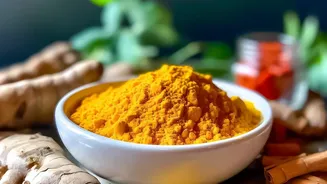
Known for the vibrant red hue it imparts on grilled dishes like tandoori chicken and paneer, Tandoori Masala is a smoky and aromatic spice blend. It typically includes coriander, cumin, ginger and garlic powders, and Kashmiri chilli powder for its brilliant colour and mild heat. Ground fenugreek is a key background player in this mix. Its slightly bitter, earthy flavour adds a layer of complexity that complements the smoky notes from the tandoor (or grill) and balances the richness of the yoghurt-based marinades in which it is often used.
5. Methi infusion: A Soothing Herbal Drink
Beyond spice blends, fenugreek seeds are widely used to create a simple, healthful infusion or tea. Steeping a teaspoon of whole or lightly crushed seeds in hot water releases their beneficial compounds and a unique flavour that is earthy, nutty, and slightly bitter. This traditional drink is often consumed for its digestive benefits. While the flavour can be an acquired taste, it can be made more palatable with a little honey, lemon, or ginger. Some people prefer to lightly toast the seeds before steeping to reduce the bitterness and enhance the nutty, maple-like notes.