







The Concrete Jungle's Fever
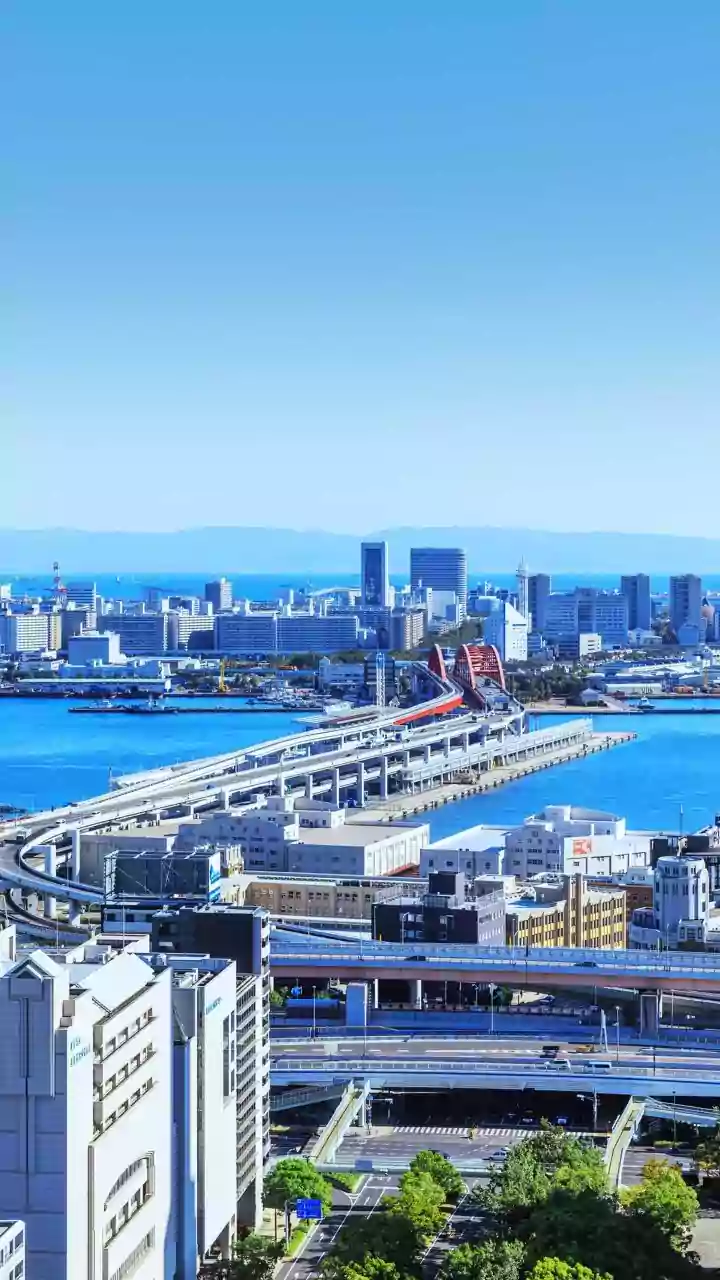
The core of the issue is a phenomenon known as the Urban Heat Island (UHI) effect. Cities, with their dense concentration of buildings, concrete roads, and asphalt surfaces, absorb and retain far more of the sun's heat than rural areas with natural landscapes.
These materials act like a giant storage heater, soaking up radiation during the day and slowly releasing it at night. This process means cities don't cool down effectively after sunset, leading to significantly warmer nights compared to their surroundings. Studies across major Indian cities like Delhi, Mumbai, and Chennai have documented this effect, showing that urban areas can be several degrees warmer than nearby rural areas, especially at night.
The Monsoon Paradox: When Rain Isn't Relief
But why does this intense heat persist during the rainy season? The key culprit is humidity. While the rain might temporarily lower the air temperature, the moisture it leaves behind is trapped by the urban landscape. This high humidity makes the heat feel far more oppressive. It hinders our body's natural cooling mechanism: sweating. For sweat to cool us down, it needs to evaporate. But when the air is already saturated with moisture, this process slows dramatically, leaving us feeling sticky and overheated even at lower temperatures. This combination creates a dangerous 'heat index' or 'feels like' temperature that can be much higher than the number on the thermometer.
Warmer Nights and Daily Struggles
The most significant impact of this year-round urban heat is the rise in nighttime temperatures. A lack of nighttime cooling means our bodies don't get a chance to recover from daytime heat stress. This disrupts sleep, impacts overall health, and puts a strain on our infrastructure. Families find their homes, especially those in poorly ventilated buildings or informal housing, turning into furnaces at night. This leads to a greater reliance on fans and air conditioners, driving up electricity consumption and bills. Outdoor workers, the elderly, and children are particularly vulnerable to heat-related illnesses like dehydration and heat stroke, which are now a risk even outside of the traditional summer months.
A Growing National Concern
This isn't just a problem for megacities. As smaller towns and cities across India rapidly urbanise, they too are beginning to experience the UHI effect. Studies show a worrying trend of increasing dangerously humid days across numerous Indian districts. Research in cities including Delhi, Nagpur, Raipur and Jaipur found a significant rise in the number of dangerously humid days over the past five decades. Scientists have noted that Indian cities are warming at nearly double the rate of the rest of the country, with a significant portion of that warming directly attributable to urbanisation. This makes city planning a critical component of climate adaptation.
Building Cooler, Greener Cities
The research is clear: urban heat is a complex problem that requires thoughtful solutions. Experts point towards the need for year-round heat action plans that go beyond emergency summer measures and account for factors like humidity and nighttime heat. The solutions lie in reimagining our urban spaces. This includes increasing blue-green infrastructure like parks, lakes, and extensive tree cover, which provide shade and natural cooling through evapotranspiration. Other strategies involve using 'cool' building materials that reflect sunlight instead of absorbing it, designing buildings to promote better airflow, and creating shaded public spaces for community respite. As newer heat action plans in cities like Thane show, there is a growing awareness of the need for more comprehensive strategies that incorporate local context and a deeper understanding of urban climate challenges.