

Why Your Cutting Technique Matters
Have you ever wondered why recipes specify a 'dice' versus a 'chop'? It’s not just for looks. The size and shape of a vegetable cut directly impact how it cooks. Uniform pieces ensure even cooking, meaning you won't have some bits of carrot that are mushy
while others are still raw. More surface area, which you get from smaller or thinner cuts, allows heat to penetrate faster and can lead to more flavour development. A finely minced onion will release more of its pungent flavour into a sauce than a large chunk. In contrast, larger pieces hold their shape and texture better in slow-cooked dishes like stews and curries. Ultimately, the cut determines the final texture and even the flavour profile of your dish.
Mastering a Few Essential Cuts
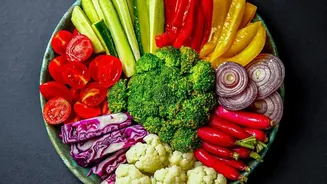
You don’t need to be a culinary school graduate to improve your knife skills. Mastering a few basic cuts is all it takes. A 'chop' is a rough, less precise cut perfect for rustic soups or the aromatic base of a stock. A 'dice' is more precise, creating small, uniform cubes that cook evenly and are ideal for everything from stir-fries to salads. 'Slicing' creates thin, flat pieces, like onions for a sandwich or potatoes for a gratin. For long, thin vegetables like carrots or zucchini, the 'julienne' or matchstick cut is great for salads and quick sautés. And for leafy greens like spinach or herbs like basil, the 'chiffonade' technique, which creates thin ribbons, is perfect for garnishes.
Choosing the Right Cooking Method
Once your vegetables are prepped, the next decision is how to cook them. Roasting, which uses dry, high heat, is fantastic for root vegetables like potatoes, carrots, and sweet potatoes. It caramelizes their natural sugars, creating a deep, sweet flavour. Sautéing involves cooking smaller pieces of vegetables quickly in a pan with a bit of fat, perfect for tender vegetables like bell peppers, mushrooms, and zucchini. Steaming is a gentler method that preserves nutrients and results in a clean, fresh taste, ideal for delicate vegetables like broccoli and green beans. Boiling, on the other hand, can cause water-soluble nutrients to leach out into the water, so it's often better to steam unless you're making a soup where the liquid is consumed.
Pairing Cuts and Methods with Seasonal Produce
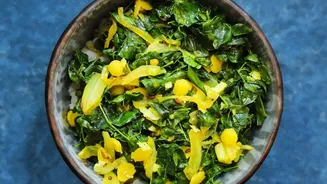
This is where the magic happens. For hearty winter root vegetables like beetroot and pumpkin, cutting them into large, one-inch cubes and roasting them brings out their earthy sweetness. For a quick weeknight sabzi, a medium dice of onions, tomatoes, and capsicum sautéed together forms a flavourful base. Tender spring greens are best handled with a chiffonade cut and lightly wilted into a dish at the last minute. Long vegetables like bottle gourd (lauki) or beans can be sliced into rounds for a simple stir-fry or cut into batons (thick sticks) for sambar, where they will hold their shape. Thinking about the final dish helps you decide: do you want the vegetable to melt into a sauce (fine dice) or remain distinct and toothsome (large chunk)?
Putting It All Together for Meal Prep
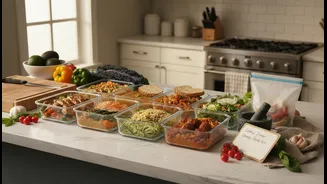
A little planning at the start of the week can streamline your cooking immensely. After visiting the market, dedicate an hour to prepping your seasonal haul. You can wash and chop hard vegetables like carrots and beets into sticks for snacking. Dice onions and store them in an airtight container for the week’s curries and stir-fries. Wash and dry leafy greens so they are ready to be thrown into salads or cooked dishes. You can even roast a big tray of mixed vegetables—cut into uniform chunks—to be used throughout the week in bowls, wraps, or as a simple side dish. This front-loads the effort, making daily cooking much faster and less stressful.