



The Protein Puzzle
Protein is a vital macronutrient, essential for building and repairing tissues, supporting our immune system, and making enzymes and hormones. Proteins are made up of smaller units called amino acids. Our bodies can produce some of these, but there are nine
‘essential’ amino acids that we must get from our food. A food that contains all nine of these is known as a 'complete' protein. While animal products like meat, eggs, and dairy are complete proteins, most individual plant foods are considered 'incomplete' because they are low in one or more essential amino acids.
The Power of Complementation
This is where the magic of combining foods comes in. The idea that plant-based diets are deficient in protein is a common myth. The solution is a concept called 'protein complementation'. Plant-based foods have different amino acid profiles. By pairing foods that have complementary strengths and weaknesses, you can easily create a complete protein profile. This isn't a new-age health trend; it's the foundation of traditional cuisines all over the world, including India. Long before the science was understood, combinations like dal and rice were dietary staples.
The Genius of Grains and Pulses
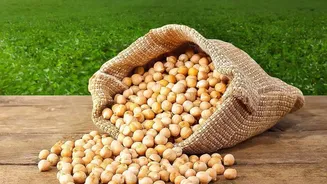
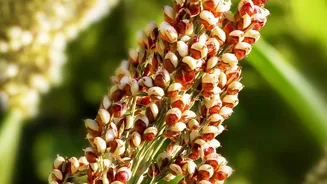
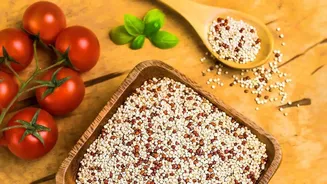
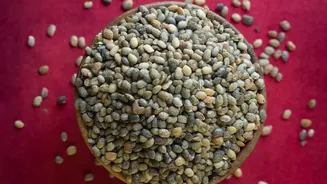
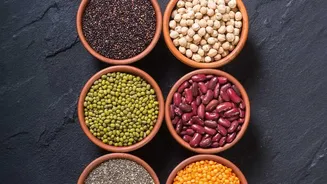
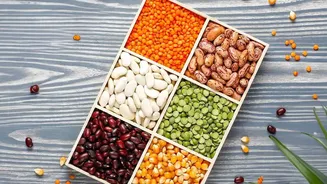
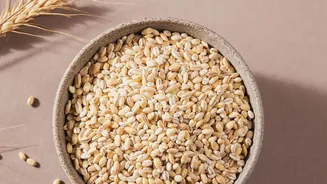
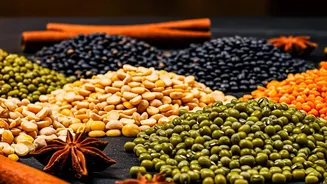
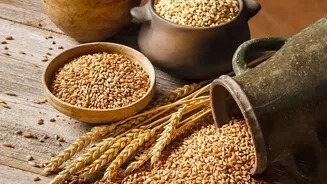
Whole grains (like wheat, rice, millets) and pulses (like lentils, beans, chickpeas) are the perfect nutritional partners. Here's why: Grains are generally low in the essential amino acid lysine, but they are rich in methionine. Pulses, on the other hand, are packed with lysine but happen to be low in methionine. When you eat them together, the amino acids from each food compensate for what the other is lacking. The result is a high-quality, complete protein that provides all the essential building blocks your body needs.
Your Daily Thali: A Protein Powerhouse
The best part is that this protein strategy is already built into the fabric of Indian cuisine. You are likely already eating complete protein meals without even realising it. Familiar and beloved combinations across the country are perfect examples: Dal with Rice or Roti: This is the most classic and widespread example. The dal provides the lysine that rice and wheat lack, and the grains provide the methionine that dal is low in. Idli/Dosa with Sambar: A South Indian staple, this combination of fermented rice and urad dal (a pulse) served with a lentil-based stew is a fantastic source of complete protein. Khichdi: This one-pot meal of rice and moong dal is not just comfort food; it's a nutritionally complete meal in itself. Rajma or Chole with Rice/Roti: Kidney beans (rajma) or chickpeas (chole) paired with a grain are another delicious way to get your full spectrum of amino acids.
How Much Do You Really Need?
According to the Indian Council of Medical Research (ICMR), the average adult needs about 0.8 to 1 gram of protein per kilogram of body weight each day. So, a 60 kg person needs around 48 to 60 grams of protein. This is easily achievable with a balanced vegetarian diet. A typical serving of cooked dal provides about 8-12 grams of protein, and when combined with rotis or a bowl of rice, and perhaps some curd on the side, a single meal can contribute significantly to your daily goal. It's also worth noting you don't need to combine these proteins at every single meal. Your body maintains a pool of amino acids, so as long as you eat a variety of grains, pulses, nuts, and seeds throughout the day, your body can pull what it needs.