







Defining the Hybrid Model
So, what exactly is a hybrid fitness routine? It’s not about abandoning the gym entirely, but rather curating a personalised fitness blend that works for the individual. A striking 72% of Gen Z exercisers now combine workouts at a fitness facility with
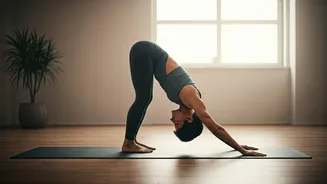
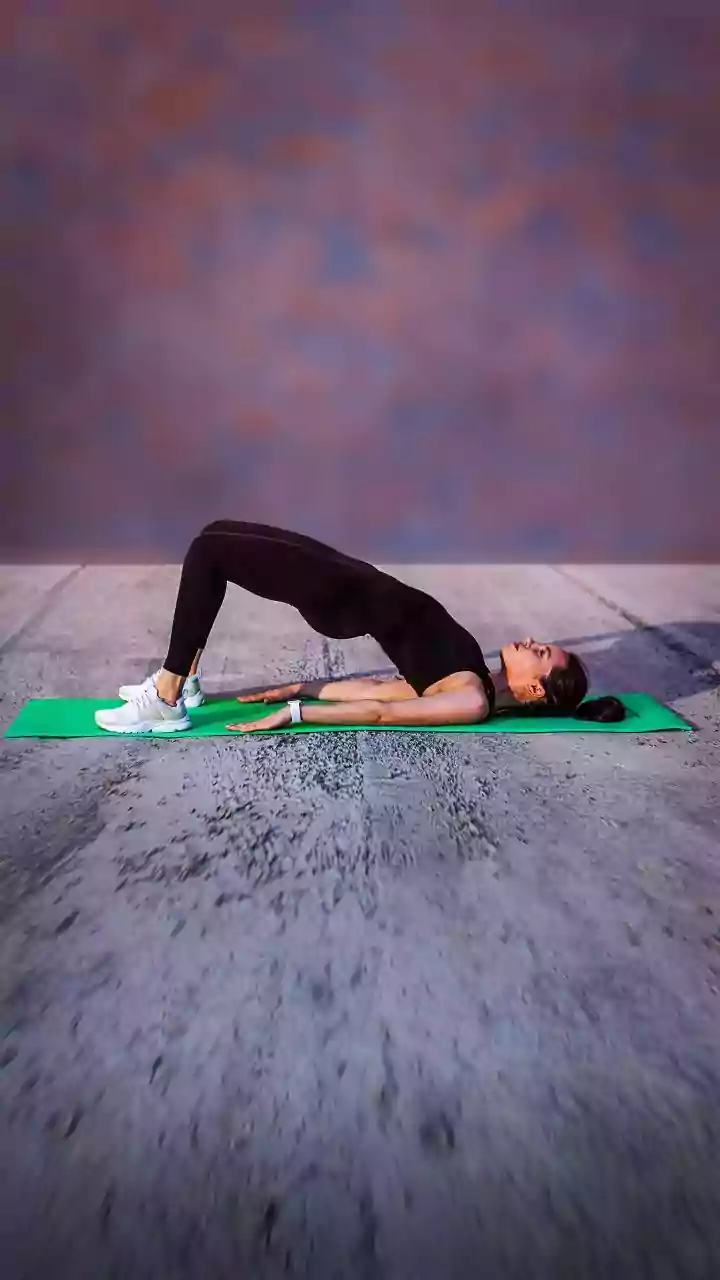
other activities, such as sessions at home. This could mean using a fitness app for a morning yoga session, joining a friend for a run in the park, hitting a boutique cycling class on the weekend, and using a gym for strength training a couple of times a week. The key is its à la carte nature—piecing together different elements to create a routine that is varied, engaging, and fits seamlessly into a fluid schedule.
Flexibility is Non-Negotiable
For a generation that has grown up with on-demand services for everything from food delivery to entertainment, the idea of being tied to a single location for fitness feels outdated. They expect to work out wherever and whenever they want. Hybrid routines offer the ultimate flexibility to accommodate unpredictable work or study schedules, travel, and social plans. This adaptability is a major reason for its appeal, with many reporting that flexible work hours help them stay active. In fact, those who adopt a hybrid approach tend to be more consistent, working out significantly more than people who only go to the gym.
The Power of Digital and Data
As digital natives, Gen Z's fitness habits are deeply integrated with technology. Nearly 80% use health apps, and more than half use wearable fitness devices to track everything from their heart rate to sleep quality. These tools are the backbone of the hybrid model, providing access to endless workout libraries, on-demand classes, and AI-driven personal trainers. Social media platforms like TikTok and Instagram are also major sources of inspiration, with many discovering new workouts or classes online. This digital ecosystem allows for a high degree of personalisation, with apps offering tailored suggestions based on user data and preferences.
A New Kind of Community
While often stereotyped as being glued to their screens, Gen Z also craves authentic, in-person connections. However, they aren't always finding them in the anonymous environment of a large, traditional gym. Instead, they seek out community in specialized, social settings like group fitness classes. Boutique studios focusing on activities like strength training, Pilates, or yoga are booming because they offer a sense of belonging. This generation also finds community through online challenges, digital fitness groups, and connecting with others who share their specific fitness interests, creating social bonds that transcend the four walls of a gym.
Wellness Over Weight Loss
Perhaps the most significant shift is in the motivation behind exercise. For Gen Z, fitness is a form of self-care, with a strong focus on mental and emotional well-being. Four of their top five reasons for exercising are linked to health and happiness. They view physical activity as a powerful tool for managing stress and anxiety, a priority that often outweighs purely aesthetic goals. This generation is rebelling against the toxic, exclusive aspects of old-school fitness culture, instead embracing a more holistic and body-positive approach that prioritizes feeling strong and healthy over looking a certain way.