






Your Home’s Personalised Owner’s Manual
Think of a home manual as your property’s personalised instruction book. Cars and even coffeemakers come with one, yet our most valuable asset—our home—rarely does. Creating this central resource transforms how you manage your living space, turning potential
panic into calm, organised action. It’s a single, reliable spot for everything from appliance warranties to the name of that great electrician you used three years ago. The core benefits are simple but powerful: you save time, reduce stress, and often save money. Instead of scrambling through junk drawers or endless email searches during a mini-crisis, you’ll know exactly where to look. It empowers you with the knowledge to tackle challenges confidently, from minor troubleshooting to knowing exactly who to call.
Getting Started: Physical Binder or Digital Cloud?
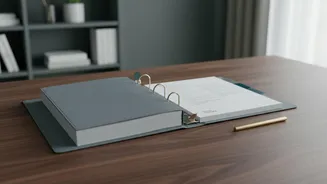
Your first decision is choosing a format: a classic physical binder or a modern digital system. A physical binder is tangible and always accessible, with no need for a charged device or internet connection. You can use dividers, sheet protectors, and even envelope pages to hold receipts and business cards. It’s a satisfying, hands-on way to get organised. On the other hand, a digital manual—using a service like Google Drive, Dropbox, or a dedicated app—is searchable, easily updated, and accessible from your phone anywhere, anytime. You can scan and save documents, link to online tutorials, and share access with a spouse or property manager instantly. Some find a hybrid approach works best: a physical binder for critical documents like deeds and a digital folder for manuals and receipts. The best system is the one you’ll actually use, so choose what fits your lifestyle.
What to Include: Appliances and Systems
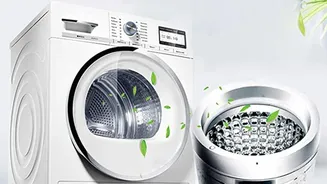
This section is the heart of your manual. For every major appliance and home system (furnace, AC, water heater, washer, dryer, oven, etc.), create a page or file. Include the manufacturer and model number, purchase date, warranty details, and the user manual. If you have a paper manual, you can often find a PDF version online to save digitally, making it searchable. Also, keep a log of maintenance and repairs. Note the date of service, the professional who did the work, what was done, and the cost. This history is invaluable for troubleshooting future issues and proves a track record of good maintenance if you ever decide to sell.
Building Your Professional Contact List
Don’t wait for a leak to find a good plumber. One of the most-used sections of a home manual is a curated list of trusted service professionals. Create a contacts page with dedicated space for plumbers, electricians, HVAC technicians, handymen, roofers, and landscapers. When you find a professional you like, add their contact information and make a note about the work they did and your experience. This prevents you from having to rely on a panicked, last-minute search for help. Also include account numbers and contact information for your utility services—gas, electric, water, and internet.
Documenting Your Home’s Unique Details
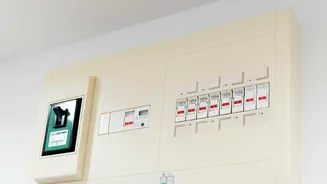
Beyond appliances and contractors, your manual should hold all the little details that make your house unique. What is the exact name and brand of the paint colour in the living room? Where is the main water shut-off valve located? What type of flooring is in the kitchen? Keep a record of these things. Documenting paint colours saves you from a dozen mismatched sample pots down the line. Knowing the location of your water and gas shut-offs is critical in an emergency. This section can also house property information like your deed, home inspection reports, and property survey documents for easy access.
The Key Habit: Keeping Your Manual Current
A home manual is a living document. Its usefulness depends on it being up-to-date. The key is to build simple habits. When you buy a new appliance, make it a rule to add the manual and receipt to your binder or digital folder immediately. After a service professional visits, take two minutes to update your contact list and maintenance log. It’s also wise to schedule an annual review, perhaps during a quieter time of year, to go through the binder, purge outdated information, and ensure everything is still accurate. This small, consistent effort ensures your manual remains a powerful and reliable tool for years to come.