
The Foundation: A Smart Layering System
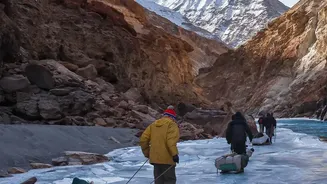
The most common mistake trekkers make is packing one thick jacket. Temperature swings in the Himalayas can be dramatic, from a sunny 15°C during a climb to -10°C at the campsite. No single jacket can handle this. The solution is a layering system, which
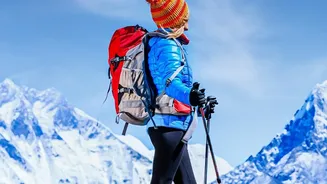
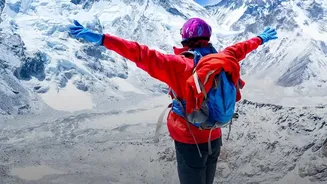
allows you to adapt. The system has three core parts. The base layer, worn against your skin, should be a snug-fitting synthetic or merino wool thermal that wicks sweat away to keep you dry. Avoid cotton at all costs, as it traps moisture and makes you cold. The mid-layer is your primary insulator; this is typically a fleece jacket. For colder conditions, you'll add a second insulating layer, like a puffy jacket. The outer layer, or shell, protects you from wind and snow.
The Insulating Puffy: Down vs. Synthetic
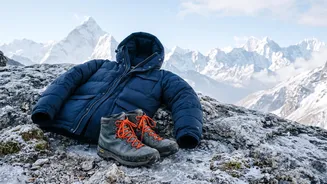
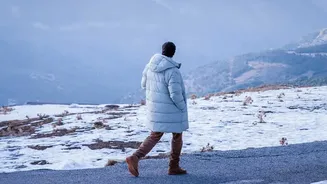
Your insulated 'puffy' jacket is your primary defense against severe cold, especially at night and during rest breaks. You have two main choices: down or synthetic. Down jackets offer the best warmth-to-weight ratio, meaning they are incredibly warm for how light and packable they are. Look for a 'fill power' (FP) of at least 650 to 800 for Himalayan conditions. However, down's major weakness is moisture; it loses its insulating ability when wet and takes a long time to dry. Synthetic insulation, on the other hand, performs much better in damp conditions and dries faster, making it a more reliable choice if you expect wet snow or rain. While slightly heavier and bulkier than down for the same warmth, modern synthetic jackets are an excellent and often more affordable investment.
The Outer Shell: Your Shield Against the Elements
Your outermost layer must be both windproof and waterproof. This 'shell' jacket and accompanying trousers are non-negotiable for protecting your insulating layers from getting wet, which can be dangerous at altitude. A good shell jacket will have a hood and sealed seams. Look for features like underarm vents (pit zips) that allow you to release heat and moisture during strenuous climbs without having to take the jacket off. Your trekking pants should also be water-resistant and quick-drying. Many trekkers wear waterproof shell pants over their regular trekking pants or thermals when conditions get snowy or windy.
Footwear: High-Ankle, Waterproof Boots
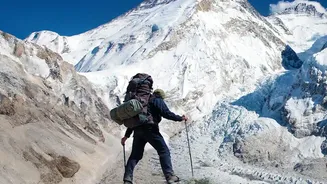
Your boots are arguably the single most important gear investment. For a November trek with snow, you need high-ankle boots that provide support on uneven, rugged terrain. They must be waterproof. A waterproof membrane (like Gore-Tex or a brand's proprietary version) is essential for keeping your feet dry from melting snow and stream crossings. Proper insulation is also key to prevent cold-related injuries. Look for boots rated for cold weather. The sole is just as crucial; you need deep, aggressive lugs for traction on snow and mud. Ensure your boots are compatible with traction devices like microspikes or crampons, which may be necessary on icy patches.
Critical Accessories: Hands, Head, and Eyes
Do not underestimate the importance of accessories. You will need warm, waterproof gloves. A layered approach works here too: thin liner gloves for dexterity, with thick, insulated mittens over them for extreme cold. A warm woolen or fleece hat (beanie) is essential to prevent heat loss from your head. For sun protection, a sun hat or cap is needed for midday trekking. Sunglasses are not optional; they are critical. The sun's glare off snow can cause a painful condition called snow blindness. Regular sunglasses are not sufficient; you need UV-protection sunglasses, preferably with side-cover for maximum protection. Finally, a pair of gaiters—fabric tubes that cover the gap between your pants and boots—are invaluable for keeping snow, rocks, and mud out of your footwear.