


The Allure of Liquid Gold
There's no denying the health credentials of high-quality extra virgin olive oil (EVOO). It's a cornerstone of the much-lauded Mediterranean diet for good reason. Rich in monounsaturated fats, particularly oleic acid, it has been shown to help lower 'bad'
LDL cholesterol while raising 'good' HDL cholesterol. Beyond its healthy fat profile, EVOO is packed with powerful antioxidants called polyphenols. These compounds, which are most abundant in less-processed, cold-pressed oils, are celebrated for their anti-inflammatory properties and ability to combat oxidative stress, a key driver of chronic disease. Studies have linked regular consumption of extra virgin olive oil to a reduced risk of cardiovascular disease, certain cancers, and even cognitive decline. It’s a genuinely healthy fat that deserves a place in a well-stocked kitchen.
The Problem with 'Superfoods'
The trouble begins when we isolate one ingredient and label it a 'miracle' or 'superfood'. This reductionist approach to nutrition, which focuses on single nutrients rather than the whole food, is often misleading. While the polyphenols in olive oil are beneficial, their effects don't happen in a vacuum. Marketing slogans and health headlines often latch onto one food, creating a cycle of hype that encourages people to believe that adding a spoonful of something to an otherwise unchanged diet will solve their health problems. This thinking is flawed because the real benefits come from the complex interplay of all the foods we eat. No single ingredient can undo the effects of a diet high in processed foods, sugar, and unhealthy fats. The 'superfood' mindset encourages us to look for quick fixes instead of building sustainable, healthy habits.
Understanding the Dietary Pattern
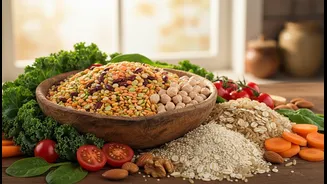
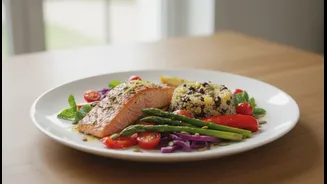
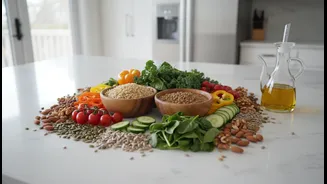
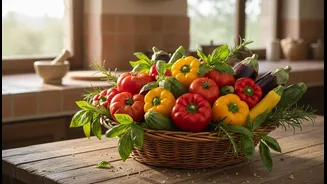
Nutrition science is increasingly moving away from a focus on individual nutrients and toward the concept of the 'dietary pattern'. A dietary pattern is the sum total of what you eat and drink over time—the overall combination of foods that makes up your diet. The Mediterranean diet is a perfect example. Its health benefits are not just from olive oil, but from a pattern that is rich in vegetables, fruits, legumes, nuts, and whole grains. It features fish as a primary protein source, limits red meat and sweets, and uses olive oil as the principal fat. The nutrients in these foods work together synergistically. For instance, the fibre from vegetables and the healthy fats from nuts and olive oil combine to improve heart health and regulate blood sugar in ways that no single component could achieve on its own.
Olive Oil in Its Rightful Place
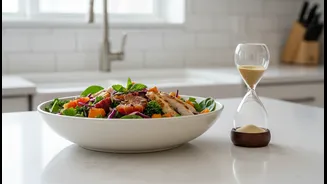
Within the Mediterranean dietary pattern, olive oil's role is significant but supportive. It is used generously to dress salads, roast vegetables, and cook fish, often replacing less healthy fats like butter and other refined oils. This substitution is a key part of the health equation. The benefits seen in populations with high olive oil intake are also linked to their high intake of plant-based foods. People in these regions aren't just adding olive oil to their existing diets; their entire way of eating is different. The oil enhances the absorption of fat-soluble vitamins from vegetables and adds to the overall anti-inflammatory effect of the diet. It is a team player, not a solo superstar. Its magic is unlocked by the company it keeps on the plate.
Building a Better Pattern in India
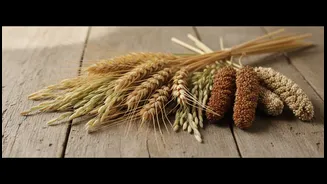
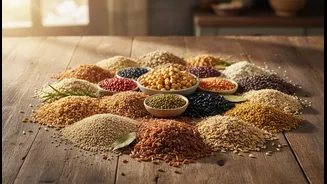
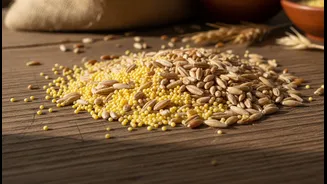
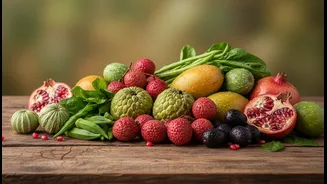
The lesson of the dietary pattern is universal and highly applicable to an Indian context. Instead of exclusively focusing on incorporating an expensive oil, we can look at the principles behind the pattern. Traditional Indian diets are often naturally rich in legumes, vegetables, and whole grains. The key is to emphasize these whole foods and healthy cooking methods. Focus on a variety of seasonal vegetables and fruits. Make dals, chanas, and rajma a central part of your meals. Choose whole grains like brown rice, millets, and whole wheat rotis over refined flour products. For cooking fats, a variety can be healthy, including traditional options like mustard oil or groundnut oil used in moderation, alongside ghee. The goal is to build a balanced plate where processed foods are limited and whole, nutrient-dense foods are abundant. This holistic approach, rooted in tradition and supported by modern science, is far more powerful than chasing the latest 'superfood' trend.