



The Slow Decline of Sugary Sips
For decades, the Indian summer was synonymous with the sharp hiss of a freshly opened soda bottle. Carbonated drinks, aggressively marketed and universally available, became the default thirst-quencher. They were modern, convenient, and a symbol of a new,
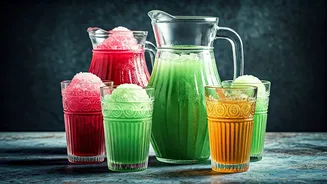
globalised India. But with growing awareness around the health implications of high-sugar, low-nutrition beverages, a collective shift is underway. Consumers are increasingly scrutinising labels and turning away from empty calories. This growing health consciousness has created a vacuum that traditional, natural coolers are perfectly poised to fill. The charm of the artificially flavoured, brightly coloured drink is fading, replaced by a desire for authenticity and wellness.
A Taste of Nostalgia and Wellness
The resurgence of sherbets is powered by two potent forces: nostalgia and the modern wellness movement. For many, the taste of a khus or bael sherbet is a direct link to childhood summers spent at a grandparent's home. It’s the flavour of unhurried holidays, of earthen pots, and of remedies lovingly prepared in the family kitchen. These drinks are not just beverages; they are liquid memories. Simultaneously, they align perfectly with today's focus on clean eating and natural ingredients. Unlike their processed counterparts, traditional sherbets are often made from real fruits, flowers, herbs, and spices. Bael (wood apple) is known for its digestive properties, kokum is a celebrated cooling agent, and nannari (Indian sarsaparilla) is revered for its ability to purify the blood and cool the body from within. This combination of emotional connection and tangible health benefits makes a compelling case for their revival.
From Kitchens to Chic Cafes
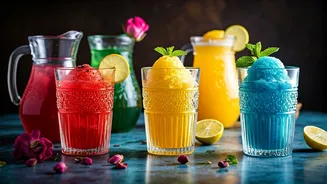
This trend isn't confined to home kitchens. It's visibly playing out in the commercial space, a clear sign of its growing mainstream appeal. Hip cafes in metropolitan cities are now proudly featuring Nannari Fizz and Kokum Coolers on their menus, positioning them as premium, artisanal alternatives to generic iced teas and coffees. Small-batch, organic brands are bottling these traditional recipes, making them accessible to a wider urban audience that craves convenience but not at the cost of quality. Chefs are experimenting with classic formulations, creating sherbet-based cocktails and mocktails that appeal to a younger, adventurous palate. This commercial embrace validates the trend, transforming sherbets from a forgotten relic into a contemporary lifestyle choice.
India’s Regional Heroes of Hydration
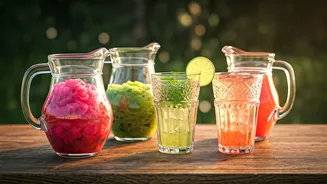
One of the most beautiful aspects of the sherbet tradition is its incredible diversity, reflecting India's varied climates and local flora. Along the Konkan coast, the deep purple kokum sherbet is a staple, prized for its unique sweet-sour taste and ability to combat heat. In the south, the fragrant nannari sherbet is a perennial favourite, often sold by street vendors from large clay pots. The northern plains offer the pulpy, tangy delight of phalsa (Indian sherbet berry), a short-seasoned fruit whose arrival is eagerly awaited each summer. In the east, the bael sherbet reigns supreme, its thick, aromatic pulp offering both refreshment and remedy. This regional richness is a core part of the appeal, offering a journey through India’s culinary landscape in every glass and championing local ingredients over mass-produced formulas.