





The Science of a Healthy Compost Pile
At its core, composting is about creating the perfect diet for microorganisms. These tiny workers break down organic matter, and they need a balanced meal of carbon and nitrogen to do their job efficiently. The ideal carbon-to-nitrogen (C:N) ratio for fast,
effective composting is about 25 to 30 parts carbon for every one part nitrogen. Don't worry about precise calculations; a simple rule of thumb is to aim for a mix of two to three parts 'brown' materials for every one part 'green' material by volume. 'Browns' are dry, carbon-rich items, while 'greens' are moist, nitrogen-rich ones. Getting this balance right prevents a slow, slimy pile and ensures a fast, odour-free process.
Your Kitchen’s ‘Green’ Materials
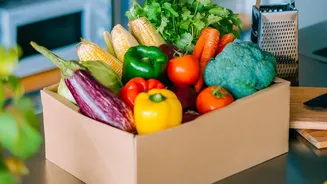
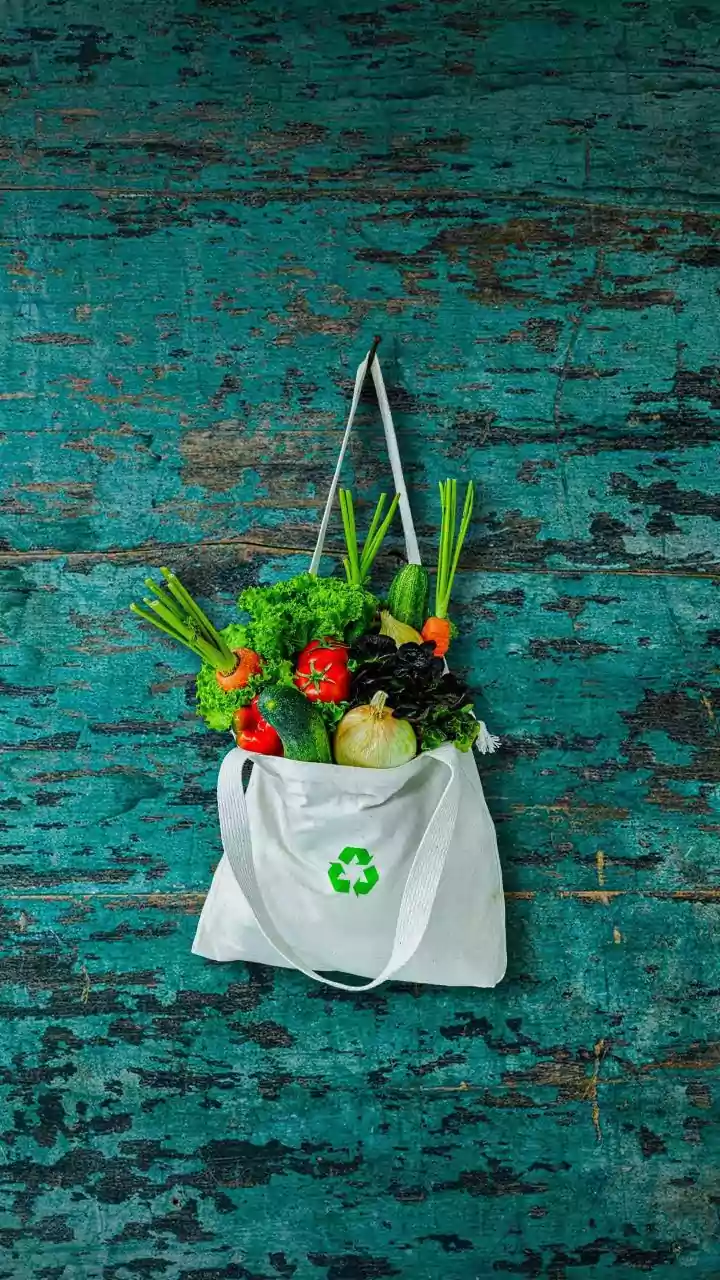
Your kitchen is a goldmine for nitrogen-rich 'green' materials. These items provide the essential proteins and amino acids that fuel the decomposition process. Some of the best scraps to add to your pile include fruit and vegetable peels, cores, and trimmings. Crushed eggshells are another excellent addition, providing valuable calcium for your future soil. Even stale bread, grains, and pasta can be included, though it's best to add them in smaller quantities to avoid attracting pests. These 'greens' are the engine of your compost pile, helping it heat up and break down materials quickly.
The Magic of Coffee Grounds
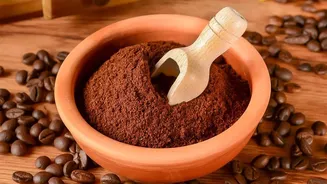
Used coffee grounds are a powerhouse ingredient for any compost pile. Despite their brown colour, they are considered a 'green' material because they are rich in nitrogen, containing about 2% nitrogen by volume. This nitrogen content helps microorganisms break down tougher carbon materials more efficiently. Contrary to popular belief, used coffee grounds are not acidic; the brewing process leaches out most of the acid, leaving them with a near-neutral pH that won't harm your soil. Beyond nitrogen, coffee grounds improve soil structure, enhancing drainage and water retention, and can attract beneficial earthworms to your garden.
The Carbon-Rich ‘Brown’ Balance
To complement your nitrogen-rich kitchen scraps, you need plenty of carbon-rich 'brown' materials. These materials provide energy for the microbes and add bulk and structure to the pile, ensuring good airflow. Excellent sources of browns include dry leaves, straw, shredded cardboard (without glossy inks), and torn-up newspaper. Even the paper filter from your coffee machine can go into the pile along with the grounds. A healthy layer of browns helps absorb excess moisture from the greens and prevents the compost from becoming compacted or smelly.
What to Keep Out of Your Compost
Just as important as what you add is what you leave out. Certain items can ruin your compost, create foul odours, and attract pests like rodents. The main culprits to avoid are meat, fish, and bones, as well as dairy products like cheese and yoghurt. Oils, grease, and very fatty foods should also be excluded, as they can disrupt the moisture balance and slow decomposition. It's also wise to avoid adding diseased plants or weeds that have gone to seed, as the compost pile may not get hot enough to destroy the pathogens or seeds.
Simple Methods for Beginners
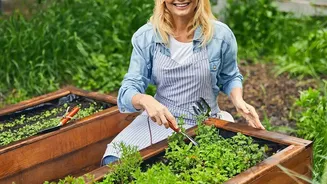
You don't need an expensive or complicated setup to start composting. One of the simplest methods is an open pile in a corner of your yard. Just layer your greens and browns and let nature take its course. For a tidier solution that's still incredibly cheap, you can create a bin with a simple roll of chicken wire bent into a circle. Another easy DIY option is to drill holes for aeration in a large plastic storage bin. For those with more space, a three-bin system made from reclaimed shipping pallets is a classic, low-cost way to manage compost in different stages of decomposition.