



First, Who Are the ‘Glowmads’?
Forget typical tourists. The 'Glowmad' is a modern traveller, often a Millennial or Gen Z, who combines a love for travel with a passion for wellness, beauty, and self-care. Coined as a major travel trend, Glowmads plan trips not just around sights, but
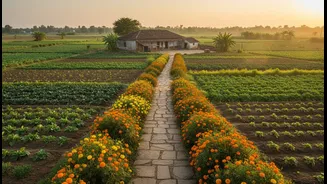
around experiences that make them feel rejuvenated and restored. This isn't about luxury for its own sake; it's about authenticity. They are drawn to activities like yoga retreats, meditation, and consuming organic, healthy food. This makes small organic farms, with their tranquil environments and connection to nature, an ideal destination for this growing demographic seeking a 'glowcation'.
Diversifying Income Beyond the Harvest
For small farms, relying on crop sales alone can be unpredictable. Experiential tourism offers a powerful way to create multiple, stable revenue streams. The most direct benefit comes from farm stays, where guests pay for accommodation, with rates for farmhouses in scenic areas potentially earning significant monthly income during peak seasons. But the income doesn't stop there. Farms can charge for a host of experiences that Glowmads and other wellness tourists crave: workshops on organic farming, pottery, cooking classes with farm-fresh ingredients, or guided nature walks. These activities provide farmers with additional income that isn't dependent on the weather or market prices for their crops, boosting overall financial resilience.
The Power of Direct-to-Consumer Sales
One of the biggest financial wins for farms is the ability to sell their produce directly to guests. When visitors stay on a farm, they experience the quality of the organic produce firsthand. This creates a perfect opportunity for on-farm sales of fresh vegetables, fruits, honey, jams, and other processed goods at a premium price, bypassing middlemen entirely. This direct connection builds trust and a compelling brand story. A guest who has picked their own vegetables is more likely to become a long-term customer, ordering produce online long after they’ve returned home. This direct-to-consumer model not only increases profit margins but also builds a loyal customer base.
Creating a Local Economic Ripple Effect
The economic benefits of this tourism model extend far beyond the farm's boundaries. When Glowmads visit a rural area, they spend money within the local community. This could mean hiring a local taxi, buying handicrafts from village artisans, or paying for a guide for a local trek. This infusion of cash creates jobs and supports a variety of local businesses, stimulating the entire rural economy. This 'multiplier effect' is crucial for the sustainable development of rural regions, ensuring that the prosperity generated by tourism is shared more widely. By becoming hubs for visitors, small farms act as catalysts for broader community empowerment and economic growth.
Challenges and the Path Forward
While the opportunity is significant, it's not without challenges. Attracting discerning tourists requires good infrastructure, clean facilities, and a certain level of hospitality skills. There's also the risk of losing authenticity if commercialisation becomes the sole focus. For this model to remain sustainable, farmers must balance offering genuine experiences with running a profitable business. Success requires careful planning, and potentially training in areas like marketing and hospitality. However, for farmers willing to innovate, the rewards are substantial, offering a path to not only survive but thrive by connecting with a new generation of conscious travellers.