







Imagine walking through a centuries-old haveli, where ancient frescoes meet interactive digital art. This is the vision of the India Biennale 2026, an ambitious event that places cutting-edge contemporary design inside the nation's most storied venues.
A Dialogue Between Past and Future
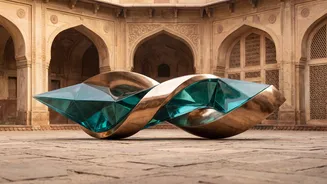
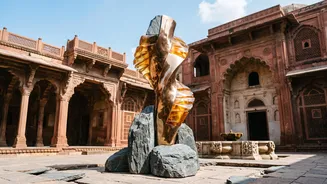
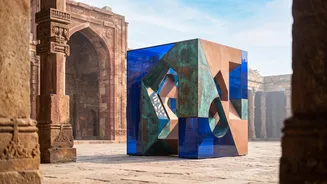
At its heart, a biennale is a large-scale international exhibition held every two years, and the 2026 edition in India is taking on a particularly resonant theme. Instead of confining art and design to sterile white-walled galleries, the event scatters its exhibits across a network of heritage sites. This isn't just a novel backdrop; it's a curatorial statement. The event's organisers aim to spark a conversation between India's rich, layered history and its dynamic, forward-looking creative scene. By placing modern works in historical contexts, the Biennale encourages visitors to see both in a new light. The texture of an old wall, the light filtering through a jali screen, or the echo in a long-abandoned hall becomes an integral part of the contemporary artwork itself, creating an experience that is deeply rooted in place and time.
Heritage Sites as Living Canvases
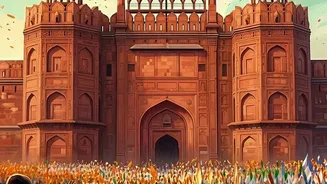
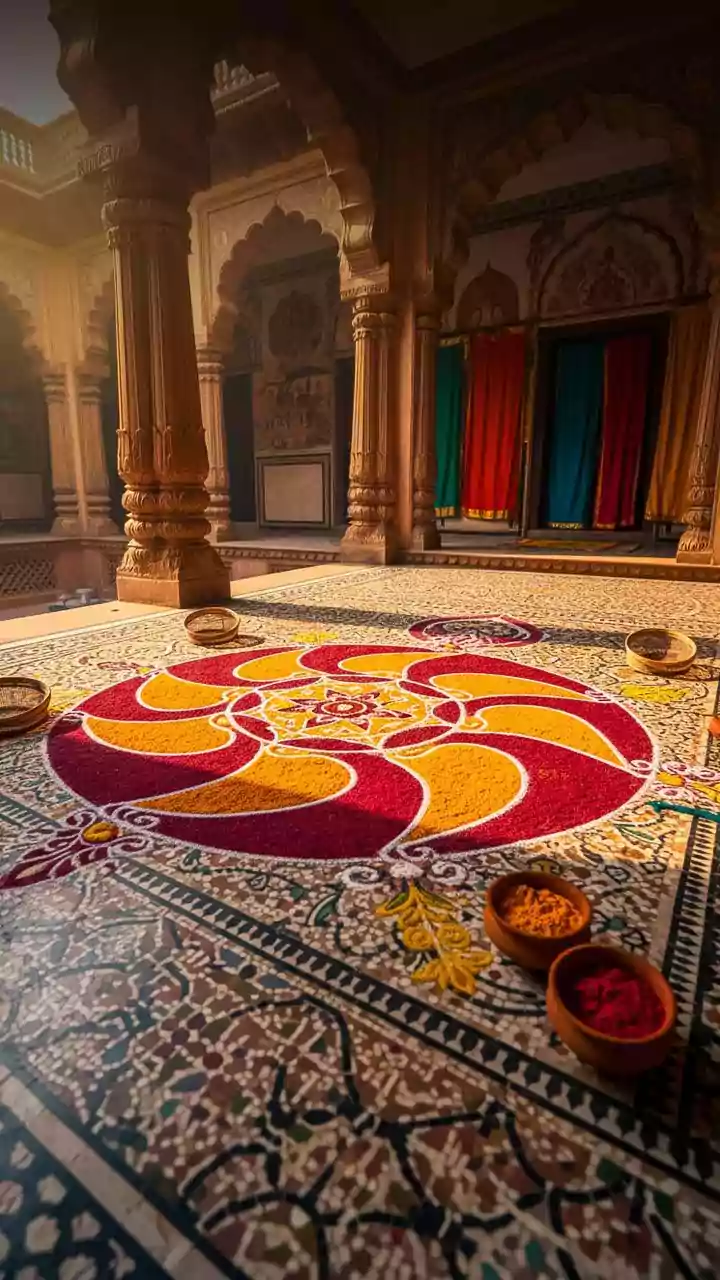
The choice of venues is as important as the art itself. Across cities like Delhi, Jaipur, and Mumbai, spaces that were once seats of power, commerce, or domestic life are being reimagined as cultural hubs. Think of crumbling colonial-era bungalows, majestic Rajput forts, and forgotten industrial warehouses being activated with new purpose. For instance, a series of textile installations might find a home in a former Mumbai mill, honouring its history while showcasing modern weaving techniques. In Jaipur, digital projections could illuminate the intricate courtyards of a centuries-old haveli, telling new stories on ancient surfaces. This approach does more than just display design; it revitalises public engagement with these historical structures, many of which are often overlooked or inaccessible. It turns them from static monuments into living, breathing participants in the country's current cultural life.
Spotlight on Contemporary Voices
The Biennale is a crucial platform for a new generation of Indian designers, architects, and artists who are redefining what 'Indian design' means in the 21st century. Their work often grapples with themes of sustainability, identity, urbanisation, and tradition in a globalised world. Visitors can expect to see a diverse range of disciplines, from product design and architecture to fashion and digital media. There might be furniture crafted from reclaimed wood and recycled materials, interactive soundscapes that respond to the architecture of a space, and thought-provoking graphic design that comments on social issues. These creators are not simply imitating global trends but are forging a unique design language that is sophisticated, innovative, and deeply connected to its Indian context. The Biennale gives them a prominent stage to present this vision.
More Than Just an Exhibition
The impact of an event like this extends far beyond the art world. By bringing thousands of visitors to heritage locations, it provides a significant boost to cultural tourism and local economies. More importantly, it champions the cause of architectural preservation by demonstrating that old buildings have a viable, vibrant future. When a community sees a neglected landmark transformed into a celebrated cultural destination, it fosters a renewed sense of pride and ownership. The Biennale also functions as a think tank, hosting workshops, talks, and educational programmes that bring together students, professionals, and the general public. It's a catalyst for new ideas, challenging us to think critically about how we build our cities, how we honour our past, and how we can design a more thoughtful and beautiful future.