

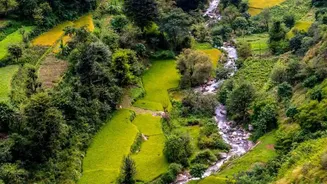
More Than Just a Buzzword
‘Green tourism’ is about more than just avoiding plastics and respecting nature trails. In Northeast India, it represents a fundamental shift towards a travel model that is environmentally sustainable, economically beneficial for local communities, and culturally
sensitive. This approach, also known as ecotourism, focuses on low-impact travel to pristine natural areas. The goal is to create a positive cycle: tourism provides an incentive for conservation, and the preserved natural beauty attracts more discerning travellers. This model empowers local people, turning them from passive recipients into active stakeholders who manage resources, share their heritage, and build resilient livelihoods.
Sikkim: The Organic Pioneer
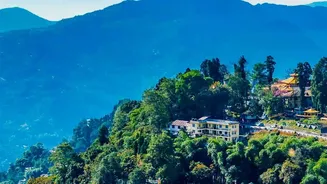
Sikkim has long been the gold standard for green governance in India. Its journey to becoming the world's first 100% organic state by 2016 was a monumental achievement that laid the groundwork for its tourism boom. The state's ban on chemical fertilizers and pesticides not only preserved its delicate ecosystem but also enhanced its brand as a pure and pristine destination. This organic identity is now a major draw for tourists. The government complemented this with strong ecotourism policies, promoting community-run homestays where travellers can experience authentic local life while contributing directly to the village economy. This deep integration of conservation and community has made Sikkim a celebrated model for sustainable development.
Meghalaya’s Community-Led Wonders
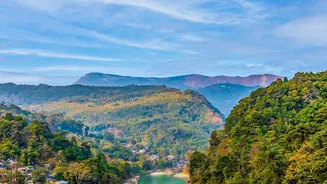
In Meghalaya, green tourism is a grassroots movement. The most famous example is Mawlynnong, celebrated as 'Asia's Cleanest Village'. Here, the entire community actively participates in maintaining a spotless environment, with bamboo dustbins and immaculate streets becoming a tourist attraction in themselves. This commitment to cleanliness is deeply woven into the local Khasi culture. Beyond cleanliness, Mawlynnong and surrounding areas are known for their living root bridges, incredible feats of bio-engineering where Ficus tree roots are guided over generations to form natural bridges. Tourism in such places is managed by the community, ensuring that the benefits flow back to the villagers and that the cultural and natural heritage is respected and preserved.
Arunachal’s Homestay Revolution
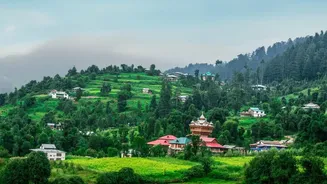
Arunachal Pradesh is leveraging green tourism to open its remote, breathtaking landscapes to the world responsibly. Here, the homestay has become a powerful engine for economic empowerment and cultural preservation, especially for women. The state government is actively promoting homestays as a core part of its tourism strategy, providing financial incentives and training to local entrepreneurs. These homestays offer travellers more than just a bed; they are portals into the lives of diverse tribal communities like the Monpa, Apatani, and Adi. Visitors share meals, learn about traditions, and experience a hospitality rooted in harmony with nature, ensuring that tourism develops without building large, intrusive hotels and that the economic benefits are distributed widely.
The Ripple Effect of Responsible Travel
The transformation driven by green tourism extends far beyond pretty villages and scenic views. It is creating sustainable jobs in rural areas, reducing the need for young people to migrate to cities for work. By placing value on traditional knowledge, crafts, and culture, it gives communities a renewed sense of pride and a powerful incentive to preserve their heritage. Furthermore, this model fosters a deeper connection between travellers and hosts, promoting mutual respect and understanding. As recent government budgets and regional tourism conventions show, there is a unified push to strengthen this model across all eight northeastern states, with a focus on sustainability, connectivity, and community participation.