







Get Your Vehicle Monsoon-Ready
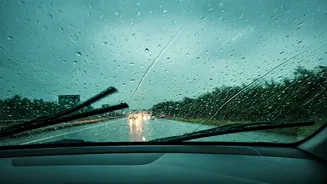
Before you even think about hitting the road, a thorough vehicle check is non-negotiable. Heavy rainfall, waterlogged roads, and high humidity can seriously affect your car's performance. [3] Start with your tyres; they are your only contact with slippery
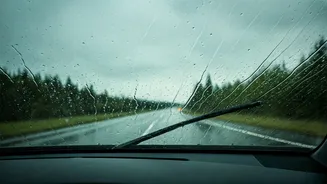
roads. [6] Ensure they have adequate tread depth to grip wet surfaces and prevent hydroplaning, a dangerous situation where your car loses traction. [15] Also, check that they are inflated to the recommended pressure, and don't forget to inspect the spare. [3] Next, test your brakes. Wet conditions increase stopping distances, so your braking system must be in top condition. [8, 19] Inspect brake pads, discs, and fluid levels. [3] Your wipers are your first line of defense against heavy rain, so replace worn-out blades that leave streaks. [3, 5] Finally, check all your lights—headlights, taillights, and indicators—to ensure you can see and be seen in poor visibility. [5, 15]
Master Safe Driving Techniques
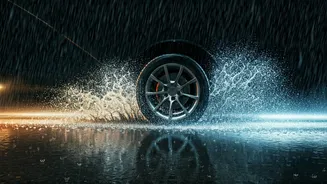
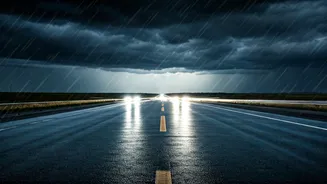
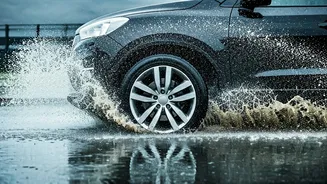
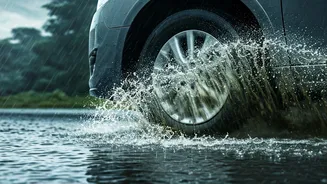
Driving during the monsoon requires a different set of skills and a heightened sense of awareness. The number one rule is to slow down. [7, 8] Reduced speed gives you more time to react and significantly lowers the risk of skidding on slippery surfaces. [18, 25] Maintain a much greater distance from the vehicle in front of you—experts recommend a 5-6 second gap. [22] This provides a crucial buffer for braking. [19] One of the biggest hazards is hydroplaning, where your tyres ride on a layer of water instead of the road. [9, 18] To avoid this, steer clear of large puddles and drive in the tracks of the vehicle ahead. [11, 20] If you feel your car starting to hydroplane, ease off the accelerator and steer in the direction you want to go without slamming the brakes. [9, 11] Use your low-beam headlights even during the day to improve visibility for other drivers. [15, 17]
Beware of Hidden Road Hazards
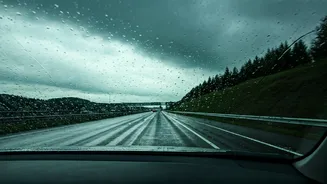
Monsoon rains can transform familiar roads into obstacle courses. Waterlogging is a common and dangerous issue, as it can conceal deep potholes or even wash away parts of the road. [18, 23] Indian cities are notorious for roads caving in during heavy rains, creating large craters. [24] As a rule, never drive into standing water if you cannot gauge its depth; just six inches of flowing water can be enough to cause you to lose control, and two feet can carry away most vehicles. [10] If you must cross a waterlogged patch, do so slowly in a low gear while keeping the engine revs high to prevent water from entering the exhaust. [17] Be extra cautious in hilly areas or ghat sections, which are prone to landslides. [17, 22] It's always best to avoid night driving during the monsoon as visibility is severely reduced. [21]
Pack an Essential Monsoon Kit
Getting stranded is a real possibility during a monsoon road trip, so a well-stocked emergency kit is crucial. [2] Beyond a standard first-aid kit, pack essentials specifically for the season. Waterproof gear, including raincoats and umbrellas, is a must. [2, 13] Keep non-perishable snacks like energy bars and nuts, along with plenty of bottled water, in case you're stuck in traffic for hours. [2, 4] A powerful flashlight with extra batteries, a portable phone charger or power bank, and a tow rope are also highly recommended. [4, 5, 16] A multi-tool can be a lifesaver in unforeseen situations. [2] Some experts even suggest carrying a small hammer to break a window in case power windows fail in a flood. [4] It's also wise to have your car's insurance documents easily accessible. [4]
Post-Drive Care is Important Too
Your responsibility doesn't end when the journey is over. The rain, mud, and slush can cause long-term damage to your car if not addressed. Give your vehicle a thorough wash after your trip, paying special attention to the undercarriage to remove accumulated grime that can lead to rust. [14] The high humidity can also lead to mould and unpleasant odours inside the cabin. [3] Make sure to dry out any damp carpets and floor mats completely. [14] Checking your car's fluids and getting the air conditioning system inspected is also a good idea, as it may have taken in moisture. [14] A little post-trip care will ensure your car is ready for your next adventure.