




Understanding the Solar Maximum
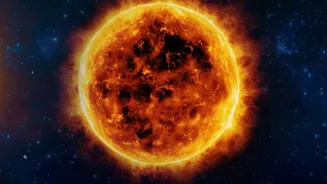
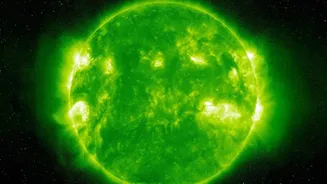
The Sun operates on an approximately 11-year cycle, moving between periods of low and high activity. We are currently in Solar Cycle 25, which began in December 2019 and reached its peak, known as the solar maximum, in late 2024. This peak is characterized
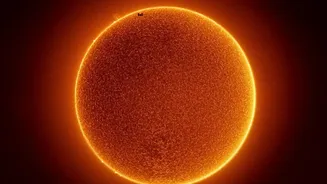
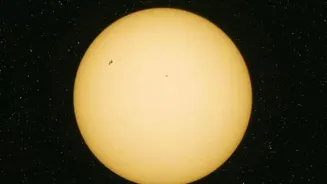
by a dramatic increase in sunspots—dark, magnetically complex regions on the Sun's surface. While initial forecasts predicted a mild cycle, Solar Cycle 25 has been significantly more active than expected, producing more sunspots and solar eruptions than its predecessor. This heightened activity isn't just an astronomical curiosity; it's the engine behind space weather events that can reach Earth.
From Sunspots to Solar Storms
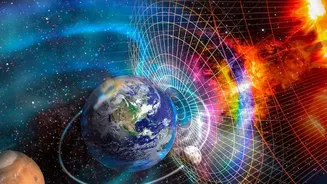
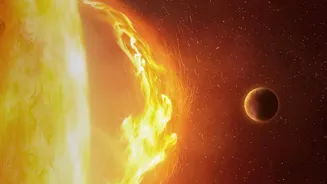
Sunspots are the launchpads for the Sun's most powerful eruptions: solar flares and coronal mass ejections (CMEs). Solar flares are intense bursts of radiation that travel at the speed of light, reaching Earth in about eight minutes. CMEs are much larger, slower-moving clouds of magnetized plasma that can take one to three days to arrive. When a CME collides with Earth's magnetic shield, it triggers a geomagnetic storm. The current solar maximum has already produced significant space weather, including the first G5 'Extreme' geomagnetic storm since 2003, which occurred in May 2024, causing disruptions to GPS and satellite operations.
The Main Culprit: Atmospheric Drag
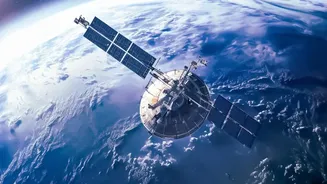
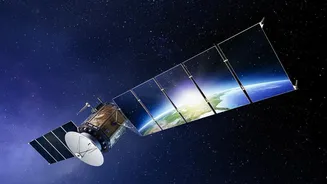
One of the most significant ways solar storms affect satellites, particularly those in low-Earth orbit (LEO), is by increasing atmospheric drag. Although the atmosphere in LEO is incredibly thin, it still exerts a frictional force on spacecraft. During a solar storm, a surge of energy heats Earth's upper atmosphere, causing it to expand upwards. This means satellites suddenly find themselves flying through a denser layer of air than their orbits were designed for. This increased drag acts like a brake, slowing the satellite down and causing its altitude to decay faster than normal.
Consequences for a Satellite-Reliant World
The consequences of increased drag are serious. Satellite operators must perform more frequent orbital boosts to counteract the decay, consuming precious fuel and shortening the mission's operational lifespan. The lifetime of a typical satellite can be reduced from 30 years during a solar minimum to just three years during a solar maximum due to drag alone. This affects thousands of satellites, including large constellations like Starlink, which are crucial for global internet coverage. Beyond drag, solar radiation can also disrupt signals, leading to temporary outages for television broadcasts, GPS navigation errors, and communication blackouts. Even services that use fibre optics on the ground can be affected, as much of the data is originally transmitted via satellite.
Mitigating the Cosmic Risk
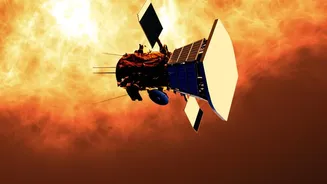
There is no way to stop solar activity, but satellite operators are not helpless. Agencies like NOAA's Space Weather Prediction Center monitor the Sun continuously, providing forecasts that allow operators to take protective measures. When a major storm is expected, operators can switch satellites into a 'safe mode' to protect sensitive electronics. Engineers are also developing more resilient hardware, such as radiation-hardened components and improved shielding. For long-term planning, mission designers can even optimize orbits to avoid the riskiest regions during periods of high solar activity. These mitigation strategies are crucial for protecting the multi-billion dollar satellite industry and the vital infrastructure that depends on it.