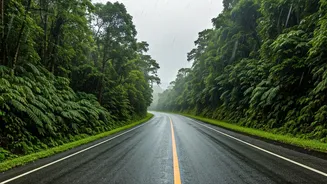









Understanding the 2026 Monsoon Picture
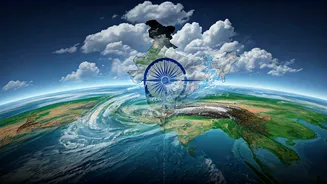
The Southwest Monsoon has advanced across India, but its behaviour is complex. While some regions like Mumbai and the Konkan coast have seen heavy downpours causing waterlogging and transport delays, other parts of the country are experiencing a mixed
pattern. The India Meteorological Department (IMD) has noted that while the monsoon has advanced, overall rainfall in June has been below average in many areas, with a deficit recorded early in the month. However, heavy to very heavy rainfall warnings have been issued for specific zones, including Northeast India, the Konkan coast, Goa, and Kerala, highlighting a season of unpredictable, intense bursts of rain rather than a uniform spread. This variability—swinging between dry spells and sudden, intense deluges—makes advance planning more critical than ever.
Your Pre-Drive Checklist for Road Travel
For those hitting the roads, vehicle readiness is non-negotiable. Wet roads significantly increase braking distances and reduce tyre grip. Before you start your journey, perform a thorough check of your vehicle. Ensure your tyres have adequate tread depth (above the tyre wear indicator) to prevent skidding on slippery surfaces. Check that your brakes are in optimal condition. Test your windshield wipers and replace them if they leave streaks, as clear visibility is paramount. Finally, confirm that all lights—headlights, taillights, and indicators—are fully functional. Using low-beam headlights during rain, even in the daytime, makes you more visible to others. Never use high beams in heavy rain, as the light reflects off the water droplets and impairs vision for you and oncoming traffic.
Leveraging Technology for a Safer Journey
In an era of unpredictable weather, your smartphone is a powerful safety tool. Before and during your trip, regularly check weather apps and the official IMD website for the latest forecasts and warnings for your specific route. Use real-time traffic apps like Google Maps or Waze to get updates on waterlogging, traffic jams, and road closures. These apps can often reroute you to avoid the worst-affected areas. For popular but vulnerable routes, such as ghat sections or coastal highways, check local news outlets and social media groups for on-the-ground updates from other travellers. This combination of official forecasts and real-world reports gives you the most comprehensive picture to make informed decisions.
Navigating Air and Rail Travel
Monsoon disruptions are not limited to the roads. Heavy rain, strong winds, and low visibility frequently impact flight and train schedules. Airports in coastal cities like Mumbai and Goa are particularly prone to weather-related delays and cancellations during this season. If you are flying, it is wise to book flexible tickets if possible and to avoid tight connections, especially through high-risk airports. Similarly, Indian Railways may announce schedule changes or diversions, particularly in areas prone to landslides or flooding. Always check your flight or train status before leaving for the airport or station. Subscribing to alerts from the airline or railway can provide you with timely information about any disruptions, allowing you to adjust your plans accordingly.
The Essential Monsoon Travel Kit
Being prepared for delays and emergencies can make a significant difference. Whether you're on a short commute or a long-distance journey, a small emergency kit is a wise addition. Ensure your fuel tank is topped up, as traffic jams are more common and longer during the monsoon. Pack a power bank to keep your phone charged. An umbrella, a waterproof bag for electronics, and a towel are also essential. For longer trips, include some non-perishable snacks and drinking water in case you are stranded for an extended period. If you are travelling through remote or hilly areas, a basic first-aid kit is always a good idea. The goal is to be self-sufficient in case of unexpected delays.