

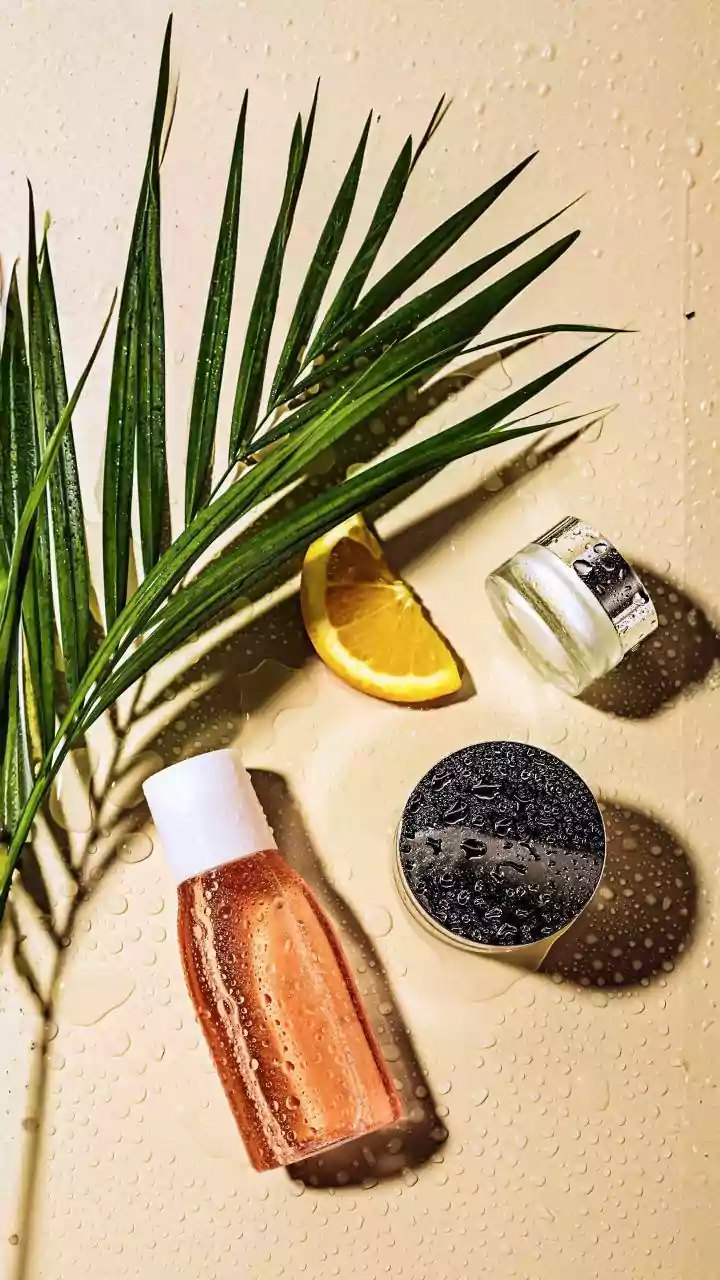





Embrace the ‘Skinimalism’ Philosophy
The air during the monsoon is heavy with moisture. When you layer multiple products—serums, heavy creams, oils, and full-coverage foundation—you're creating an occlusive barrier on your skin. While this might be great for dry winters, in humid weather,
it's a recipe for disaster. This thick layer traps sweat and sebum, leading to clogged pores, blackheads, and the dreaded monsoon acne. ‘Skinimalism,’ or a minimalist approach to skincare and makeup, is the perfect antidote. It’s about choosing a few hardworking products that let your skin breathe. The goal is to support your skin’s natural barrier and work with the climate, not against it, allowing for that coveted dewy, not greasy, glow.
Step 1: The Right Kind of Cleanse
Monsoon grime is real. It’s a mix of pollution, sweat, and oil that requires effective removal without stripping your skin. Over-washing can trigger your skin to produce even more oil. Instead, adopt a gentle double-cleansing method in the evening. Start with micellar water or a lightweight cleansing balm to dissolve makeup, sunscreen, and surface impurities. Follow up with a mild, pH-balanced foaming cleanser. Look for ingredients like salicylic acid if you're prone to breakouts, as it helps to gently exfoliate and keep pores clear. In the morning, a simple splash of water or a single cleanse with your gentle face wash is often sufficient.
Step 2: A Single, Targeted Treatment
This is where the ‘fewer products’ rule really comes into play. Instead of layering three different serums, pick one that addresses your primary concern. For the monsoon, a niacinamide serum is a brilliant all-rounder. It helps regulate oil production, minimises the appearance of pores, and strengthens the skin barrier, all without feeling heavy. If hyperpigmentation is your issue, a Vitamin C serum can work wonders, but choose a lightweight, stable formulation. If you’re using active ingredients like retinoids, continue to do so, but be mindful of increased sensitivity and ensure your skin is completely dry before application to prevent irritation.
Step 3: Swap Heavy Cream for a Light Hydrator
Your skin still needs moisture, even in a humid environment. Dehydrated skin can overcompensate by producing more oil. The key is to ditch thick, creamy moisturisers in favour of lightweight alternatives. Gel-based or water-based moisturisers are your best friends during the monsoon. They provide a burst of hydration without the greasy, sticky feeling. Look for products containing hyaluronic acid, which draws moisture from the humid air into your skin, leaving it feeling plump and fresh. A small amount is all you need to keep your skin balanced and comfortable throughout the day.
Step 4: The Non-Negotiable Sunscreen
Don't let the cloudy skies fool you; harmful UVA and UVB rays penetrate through the clouds. Sunscreen remains the most critical step in any skincare routine, regardless of the season. The challenge during the monsoon is finding a formula that doesn't feel like a sticky mask. Opt for a gel-based, matte-finish, or fluid sunscreen with at least SPF 30. These modern formulations are designed to be lightweight, absorb quickly, and won't leave you feeling greasy or contribute to clogged pores. Applying sunscreen every morning is non-negotiable for preventing sun damage and pigmentation.
Step 5: A Minimalist Makeup Approach
Heavy foundation is the enemy of a fresh monsoon look. It’s prone to melting, streaking, and creasing in the humidity. Instead, let your skin show through. Swap your full-coverage foundation for a tinted moisturiser, a BB cream, or even just a strategically applied concealer to cover any blemishes or dark circles. Set it with a light dusting of translucent powder, focusing only on the T-zone. For colour, cream blush can look more natural than powder, but apply it sparingly. The goal is an even, fresh-faced look that feels as light as it appears.