
A New Chapter for Indian Art
First, what exactly is a biennale? Simply put, it's a large-scale international contemporary art exhibition held every two years. While India has earned global acclaim for the Kochi-Muziris Biennale, the announcement of a new biennale in the nation's
capital marks a significant moment. The India Biennale 2026 aims not just to showcase art, but to embed it within the living history of Delhi. This ambitious project plans to create a dialogue between the past and the present, offering a fresh perspective on both art and heritage. It moves the gallery experience out of sterile white cubes and into the textured, layered environments of sites that have stood for centuries, creating an immersive cultural event on an unprecedented scale for the city.
The City as a Grand Stage
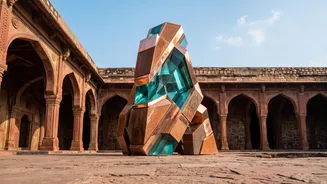
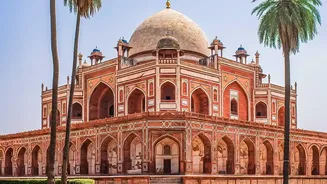
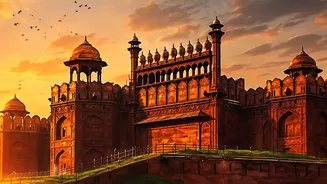
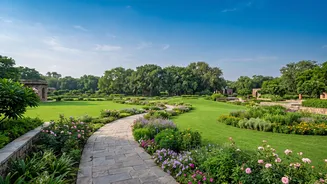
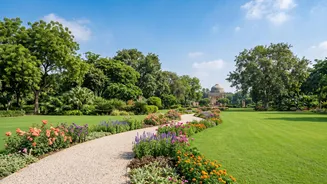
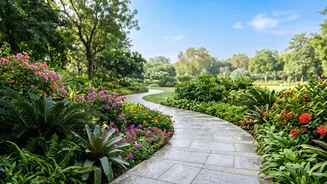
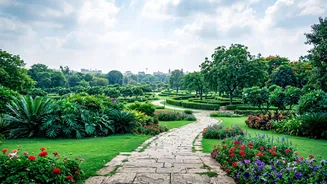
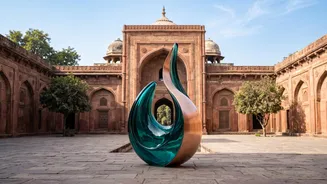
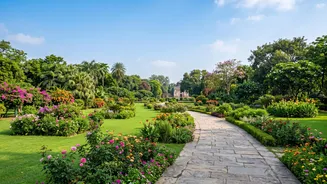
The most groundbreaking aspect of the India Biennale 2026 is its venue list. Instead of being confined to a single location, the exhibition will sprawl across Delhi, activating a network of iconic and lesser-known heritage sites. Organizers are creating an 'art trail' that encourages visitors to explore their city. Imagine large-scale sculptural installations nestled within the sprawling gardens of Sunder Nursery, or digital art projections illuminating the ancient walls of Feroz Shah Kotla at night. Other rumoured venues include the atmospheric ruins of the Mehrauli Archaeological Park and even select havelis in the winding lanes of Old Delhi. This approach turns the entire city into a dynamic gallery, where every corner holds the potential for discovery. It invites residents and tourists alike to engage with familiar monuments in an entirely new context.
The Dialogue Between Old and New
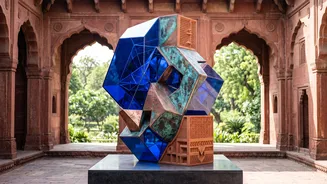
The curatorial theme for the inaugural edition is expected to revolve around 'Memory, Metropolis, and Migration'. Artists from India and across the globe will be commissioned to create site-specific works that respond directly to the history, architecture, and cultural resonance of their assigned locations. This means the art won't just be placed in a historical setting; it will converse with it. We can anticipate powerful installations that reflect on the layers of history at Mehrauli, soundscapes that echo through the tombs and gardens, and performance art that explores the daily life surrounding these monuments. The goal is to spark a conversation: What do these ancient spaces mean in a modern, bustling metropolis? How can contemporary art help us understand our own history and our future? The juxtaposition of cutting-edge art with centuries-old stone promises to be a powerful, thought-provoking experience.
What to Expect and How to Plan
While the final list of artists and a detailed schedule are still forthcoming, the biennale is slated to run for approximately three months, likely starting in the winter of 2026 to take advantage of Delhi's best weather. Visitors can expect a multi-disciplinary showcase, including sculpture, installation, digital media, performance art, and photography. Navigating an event of this scale will require some planning. It is anticipated that a central biennale pass will grant access to all primary venues, and a dedicated mobile app will likely be launched to help visitors create their own art trails, access artist information, and check event timings. Given the dispersed nature of the venues, exploring the biennale will be an adventure in itself, taking participants on a journey through Delhi's rich and varied landscape, from Mughal-era gardens to forgotten ruins.