



The Monsoon's Damp Danger
The combination of high humidity, frequent rain, and waterlogged streets turns the monsoon into a challenging season for pet health. Fungi and bacteria thrive in these warm, moist conditions. Your dog's paws are on the front line, constantly coming into contact
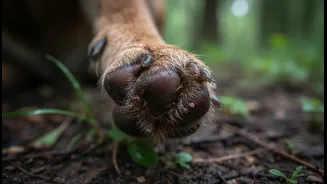
with mud, dirty puddles, and damp surfaces that can harbour harmful microorganisms. Moisture trapped between their paw pads and in the fur creates an ideal microenvironment for fungal spores like Malassezia (yeast) to multiply, leading to painful and persistent infections. This makes post-walk care not just a matter of cleanliness, but a crucial health measure.
Signs of a Fungal Paw Infection
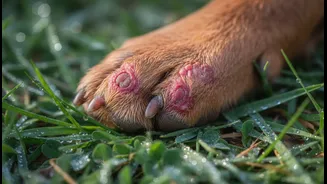
Infections can develop quickly, so knowing the early signs is key. One of the first things you might notice is your dog persistently licking or chewing at their paws. This isn't just a bad habit; it's often a sign of intense itchiness and irritation. On inspection, you might see redness and inflammation, especially in the delicate skin between the toes. Other tell-tale signs include a musty or 'yeasty' odour, brownish staining on the fur around the pads from saliva, scaly skin, and in more advanced cases, discharge or swelling. If your dog seems reluctant to walk or shows signs of pain, an infection may be the cause.
Your Five-Minute Daily Paw Check
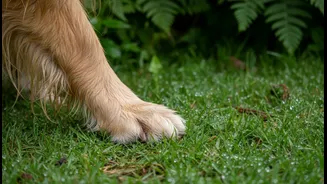
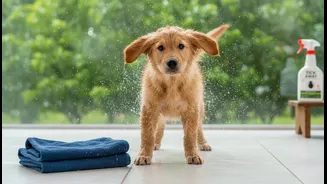
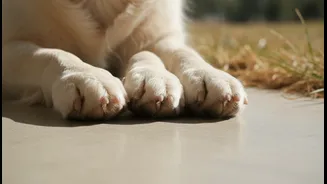
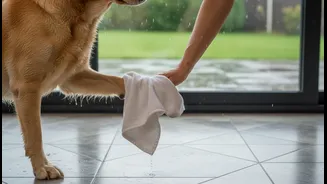
Making a daily paw inspection a non-negotiable part of your routine is the single most effective way to prevent serious issues. Set aside time after your last walk of the day. First, gently wipe any mud or debris from each paw with a soft, damp cloth. Then, using a clean, dry microfibre towel, thoroughly dry each paw, paying special attention to the spaces between the toes and pads where moisture hides. As you dry, visually inspect the area: separate the toes and look at the skin webbing. Check for any redness, cuts, swelling, or foreign objects like grit or thorns. Finally, give the paw a quick sniff for any unusual, yeasty odours. This entire process takes only a few minutes but can alert you to a problem before it escalates.
A Proactive Prevention Routine
Beyond the daily check, a few extra steps can bolster your dog's defences during the monsoon. Trimming the fur around the paws helps reduce the amount of water and dirt that gets trapped. For dogs who will tolerate them, waterproof booties offer excellent protection on walks. Alternatively, applying a layer of vet-approved paw balm or wax before heading out can create a protective barrier against moisture. After a walk, rinsing paws with lukewarm water before drying can help wash away fungal spores and bacteria. It's also wise to avoid letting your dog walk through or drink from stagnant water, which can be a soup of bacteria like Leptospira.
When to See the Veterinarian
Preventative home care is powerful, but it is not a substitute for professional medical advice. If you notice any signs of an infection that don't improve within a day or two, or if they seem to be getting worse, it's time to call your vet. Symptoms that warrant an immediate visit include significant swelling, painful sores (often called hot spots), a foul-smelling discharge, or if your dog is limping or appears to be in pain. Self-medicating with human antifungal creams is not recommended as they can contain ingredients that are toxic if licked. A vet can accurately diagnose the issue, often with a simple skin scraping, and prescribe the correct medicated shampoos, topical treatments, or oral medications to resolve the infection safely and effectively.