



The New Rule on Your Coffee Label
Starting July 1, 2026, the FSSAI has mandated that all coffee-chicory mixture packages must prominently display the exact percentage of both coffee and chicory on the front of the pack. This isn't just a minor tweak to the fine print. The rule requires
a clear, front-of-pack declaration, making it impossible for consumers to miss. For instance, a label will now have to explicitly state something like, “This mixture contains Coffee 70% and Chicory 30%”. This applies to both regular and instant coffee blends, aiming to end the confusion between pure coffee and blended varieties. The goal is simple: to ensure you know exactly what you're buying before you even put it in your cart.
What is Chicory and Why Is It in Coffee?
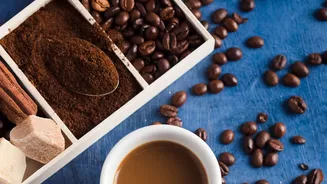
For many, especially in South India, chicory is an integral part of their daily filter coffee. Chicory is a plant whose roasted root is ground into a powder that looks much like coffee. Historically, it became popular as a coffee additive or substitute because it was more affordable. It adds a characteristic bitterness and depth of colour, which helps produce a thicker decoction. While it mimics the flavour of coffee, chicory is naturally caffeine-free. It also contains inulin, a type of prebiotic fibre known to support gut health. This long-standing tradition of blending is now meeting a new era of transparency.
From Murky Blends to Clear Choices
Previously, while regulations required coffee-chicory blends to contain at least 51% coffee, the exact ratio was often unclear to the average shopper. Brands could market their products as 'coffee' with only a subtle mention of chicory, leaving consumers to guess the proportions. This lack of transparency meant you could be buying a product that was nearly half chicory without realising it. The FSSAI's new directive addresses this directly, preventing potentially misleading labelling and ensuring that you don't mistake a blend for 100% pure coffee. It empowers consumers to make choices based on preference and value, rather than on ambiguous packaging.
How to Read the New Labels
This new information allows for a more sophisticated coffee purchase. A blend with a higher chicory content (e.g., 40-49%) will likely be more budget-friendly, have a stronger, more bitter taste, and a lower caffeine kick. This is the traditional profile many filter coffee lovers prefer. On the other hand, a pack that lists a lower chicory percentage (e.g., 10-20%) will have a flavour profile closer to pure coffee, with more of the bean's original notes and higher caffeine content, but likely at a higher price point. If the package doesn't mention chicory at all, you can be confident it's 100% coffee. This simple percentage is now a quick guide to the taste, strength, and cost of your brew.
What This Means for Brands and Your Wallet
This regulation forces major coffee players to be upfront about their product composition. For manufacturers, this means updating packaging to comply with the new, specific formats by the July 2026 deadline. Brands that have always prided themselves on a higher coffee ratio may use the new labels to their advantage, marketing their products as premium. Conversely, those relying on higher chicory content will now have to be transparent about it, which could influence consumer perception and pricing strategies. While it might not cause immediate, drastic price shifts, it introduces a new layer of competition based on quality and transparency, which is ultimately a win for the consumer's right to know.